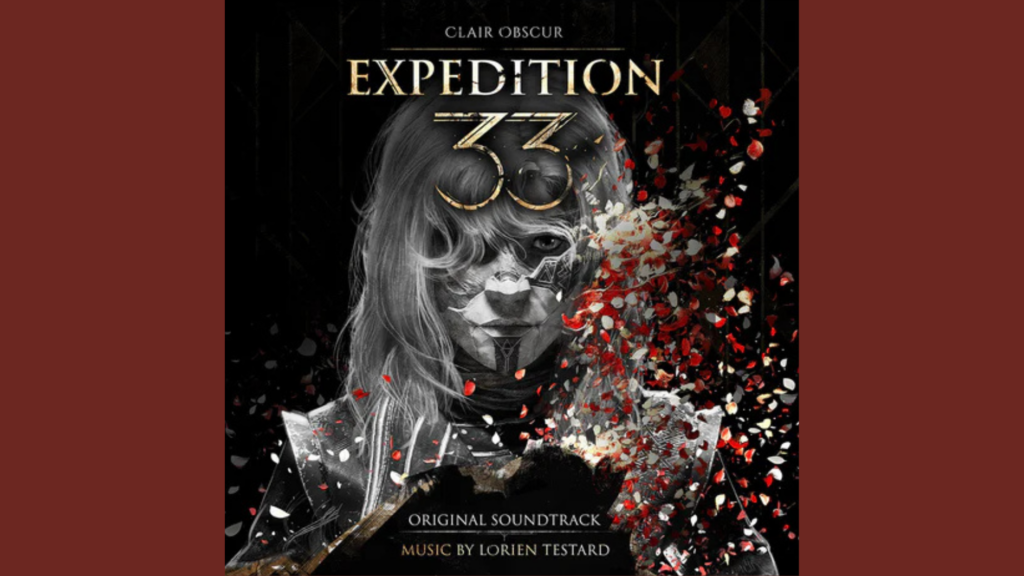
The Phenomenal Rise of Clair Obscur: Expedition 33
Clair Obscur: Expedition 33 has emerged as a groundbreaking video game since its release last year, captivating both gaming enthusiasts and music aficionados alike.
In 2025, this intricate role-playing game achieved an unprecedented record of awards, notably securing the coveted Game of the Year. Its soundtrack paralleled this success, earning accolades from prestigious platforms such as the World Soundtrack Awards and the Game Awards for its outstanding composition.
The soundtrack’s impact extended to the music charts, reaching the No. 1 spot on both the Billboard Classical Albums and Classical Crossover Albums charts.
Spanning 154 tracks, the extensive soundtrack initially launched digitally last year and was subsequently released on CD and vinyl in February.
Developed in France, the game’s title, translating to ‘chiaroscuro,’ alludes to the artistic concept of light and shadow contrast, which is masterfully woven into the score’s thematic elements.
The creative force behind the music is Lorien Testard, who shared, “My father worked in a video game shop when I was a baby, and he passed his love for gaming on to me. Many of my childhood memories are deeply connected to video games,” he wrote.
Testard’s journey from a guitar teacher and part-time game music composer to the discovery by Clair Obscur’s director, exemplifies a classic tale of talent meeting opportunity.
Emphasizing character through sound, Testard carefully selected instruments to represent key characters, such as the cello and saxophone, while the human voice, performed by soprano Alice Duport-Percier, takes a prominent role, adding ethereal clarity to the composition.
The soundtrack, encompassing diverse tracks and storylines, offers a dynamic yet unified listening experience, creating a musical mosaic with a consistent soundscape.
Testard reflects, “What I love most about video game music is how it follows us beyond the screen, becoming a companion to our lives, emotions, and both big and small moments.” This sentiment resonates with the timeless tradition of composers crafting music to enhance storytelling, from theater and opera to contemporary film scores, marking Testard’s work as a significant contribution to this enduring legacy.