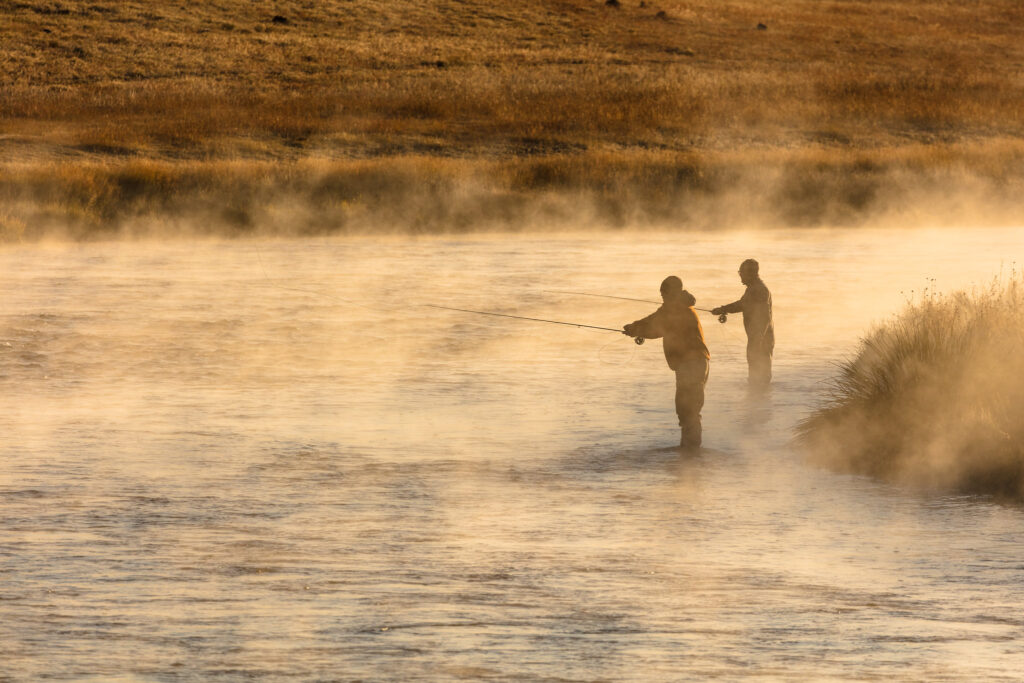
Montana’s rivers face increasing pressure as outdoor recreation surges in popularity across the nation. The Montana Environmental Quality Committee gathered to address concerning issues like declining fish populations, overuse of waterways, and alarming algae blooms. The committee aims to propose legislative solutions for the 2027 session. Rep. Tom France, D-Missoula, highlighted the growing public attachment to river recreation over the past five decades, emphasizing the challenges in balancing use and conservation.
Outdoor recreation significantly boosts Montana’s economy, contributing an estimated $3.8 billion annually, with fishing and boating making up about $149 million. The pandemic has further increased interest in aquatic recreation, benefiting the boat industry. However, outfitters claim they represent only 20% of river users. Scott Vollmer from the Montana Outfitters and Guide Association stressed the need for equitable conservation efforts across all user groups.
Mike Bias of the Fishing Outfitters Association of Montana argued that licensed guides, who adhere to strict regulations, are unfairly blamed for overuse. He pointed out the misconception that all boaters are guides. According to Seckinger, a fly-fishing guide, the number of licensed guides has dropped significantly, from 3,500 to 2,000, raising concerns about ongoing regulation efforts.
Rising numbers of floaters, kayakers, and paddleboarders have escalated user conflicts and strained river resources. Charlie Sperry, an outfitter, noted data gaps on river usage and the neglect of citizen advisory boards in state decision-making. Randy Arnold, Director of Lands, Culture, and Recreation in Missoula County, added that many new river users are unfamiliar with traditional recreational practices, impacting long-term locals.
Rep. Paul Fielder suggested potential river closure days and prescriptive treatments, such as temporarily restricting outfitter access. Streamflow levels also dictate fishing availability on certain rivers. Environmental challenges like warmer temperatures, reduced oxygen, and algae blooms further threaten aquatic life. Concerns over snowpack and its effects on river conditions are growing, particularly in the Big Hole River and Jefferson River Basin, where fish populations and algae are alarming.
Guy Alsentzer, executive director of Upper Missouri Waterkeeper, underscored the urgency of addressing these issues, citing both citizen and agency science. Immediate action is crucial to implement effective waterway protection and improvements, as delays could lead to serious consequences.