In a recent episode of the Nebraska Update podcast, Jackie Ourada delved into the experiences of Arthur County rancher and writer Ainslie Wilson, discussing the profound impact of the March wildfires in Nebraska. Their conversation revealed both the immediate and lingering effects of such disasters on local communities.
Lingering Trauma of Wildfire Experiences
The emotional aftermath of wildfires can be enduring, as Ainslie Wilson shared during the podcast. “Even yesterday, my husband and I were driving in the pickup. I think we’d just been out feeding, and we were driving back to the house, and we had the windows down, and he slowed down, and he sniffs. He’s like, ‘Do you smell smoke?’ And I go, ‘I do kind of smell smoke.’ And it just kind of brings everything right back to you,” Wilson recounted. Such experiences illustrate the persistent anxiety that can be triggered by simple reminders like the scent of smoke. Even when it turns out to be nothing, the fear of another potential disaster remains present.
Fire’s Dual Nature: Destructive Yet Regenerative
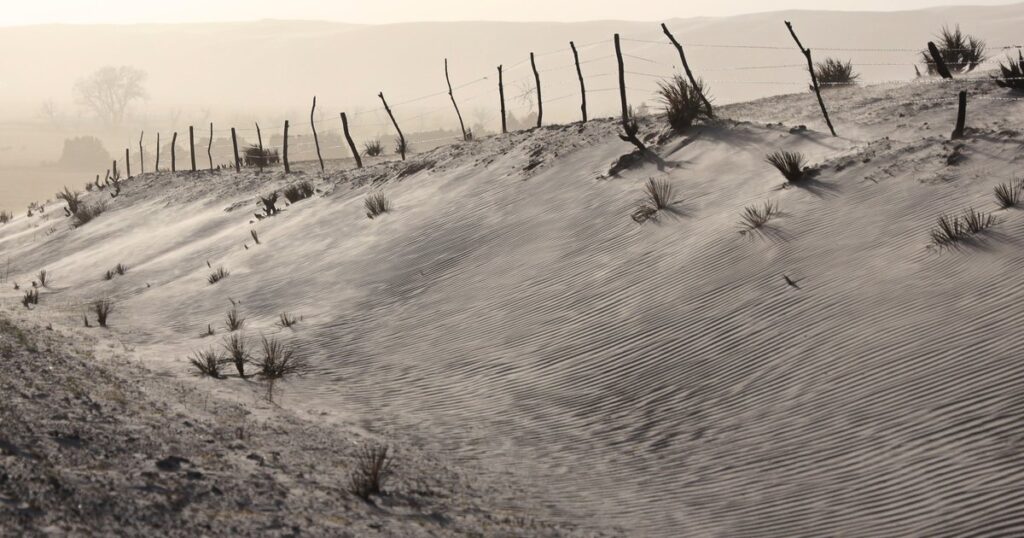
While wildfires can cause devastation, they also play a role in ecological regeneration. Wilson remarked on the regenerative power of fire, mentioning the recovery of her family’s land in Australia after it was ravaged by wildfires. “That grass just looks like carpet and it’s lovely,” she observed. However, the recovery process is not uniform. Some areas recover swiftly, while others remain barren. Wilson noted the particular severity of the recent fires, stating, “I don’t think anyone has seen fires on this scope, this big, this destructive, ever.”
The Strength of Community Bonds
Amidst the destruction, Wilson found solace in community support. Reflecting on a recent town hall gathering, she emphasized the power of neighborly solidarity: “This might be what gets a lot of people through, not the rain, which we can’t rely on, and not the grass, which isn’t there.” Acts of kindness, such as neighbors offering resources or simply checking in, have been vital. Wilson described the community’s response as an incredible outcome of the disaster, highlighting their willingness to help, whether by delivering fence posts or simply asking, “How are you today?”
The sense of unity in the face of adversity underscores the resilience of the affected communities. As Wilson put it, “It’s a wonderful feeling to know that you live in a community that is so helpful and so willing to come together.”
The Nebraska Department of Health and Human Services is urging anyone who needs assistance after the wildfires to reach out to its offices.