A Unique Glimpse into Asian Diasporic Life: Angela Chen’s “After School”
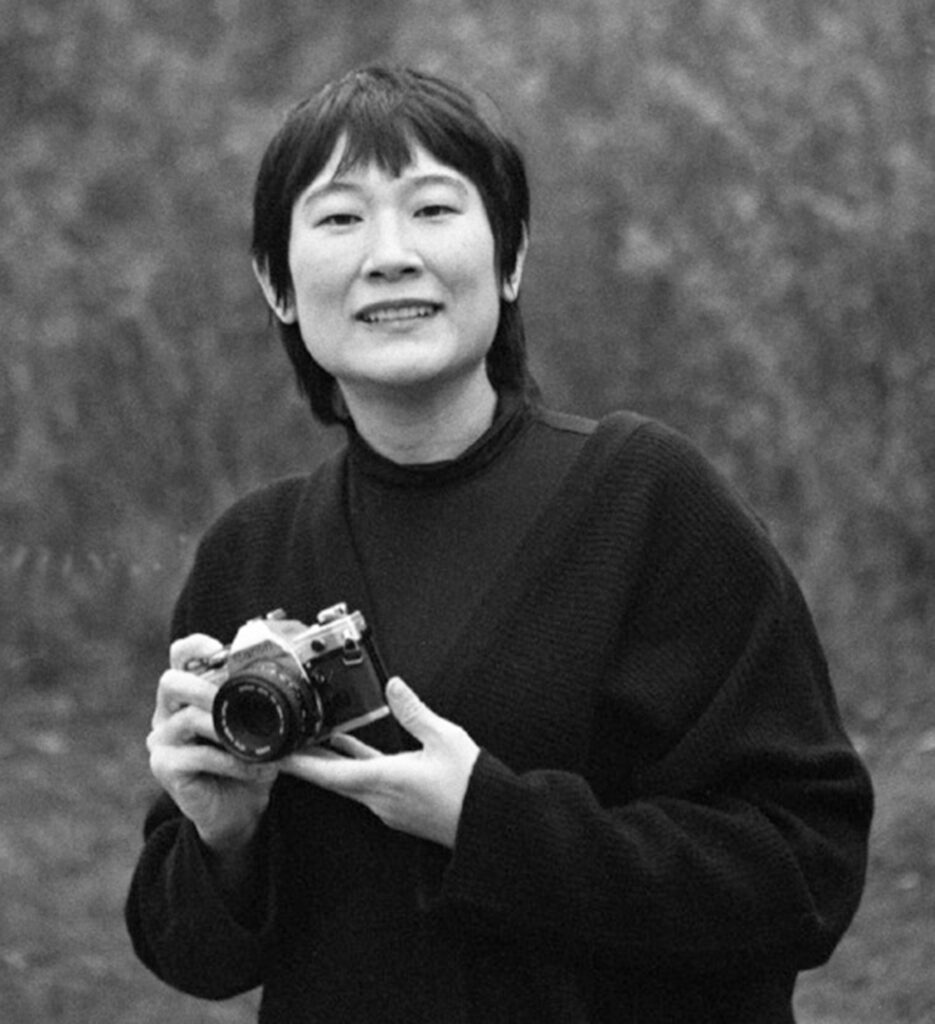
Angela Chen, an artist, writer, and assistant professor, unveils a compelling narrative through her latest venture, “After School,” combining elements of memoir and art installation. This project offers an intimate view of her upbringing within her family’s buxiban—a term for an after-school tutoring center, also known as a “cram school.”

Chen’s work seeks to shed light on a facet of Asian diasporic family life that often remains undocumented. “In the current political moment, I realized that this anti-immigrant rhetoric and action, the way politicians are vilifying immigrants and restricting their movements, is an echo of the same kind of anti-immigrant rhetoric from the Chinese exclusion era,” Chen explains.
She draws parallels between today’s anti-immigrant sentiments and the historical injustices faced by Chinese immigrants since the Chinese Exclusion Act of 1882. Chen notes, “Chinese people were the first people in America required to hold photo identification cards, and the photographs used on their cards followed the same conventions as mugshots.”
Growing Up in a Cram School
“Some children grow up in an apartment or a single-family home. I grew up in a school, which was also my family business,” Chen writes in the introduction of her book, “After School.” In the 1990s, as Asian immigrants settled in California’s San Gabriel Valley, Chen’s parents founded Futurelink School, a buxiban designed to help children navigate cultural and educational challenges.
Futurelink not only focused on academics but also served as an affordable childcare solution for working immigrant families. The school provided lessons in subjects like math and English, while imparting deeper values of discipline and survival to its students.
“Buxiban culture requires a focus on academic excellence, on correctness. This kind of environment … can feel oppressive, or restrictive, or stressful, or competitive,” Chen remarked. Yet, despite this pressure, she remembers the camaraderie of friends and recess.
Developing a Creative Outlet
While helping her family through the 2008 recession by working full-time at Futurelink, Chen discovered her passion for photography in a class at Pasadena City College. “There was something about being in this very small private space that was very meditative,” she said, describing her experience in the darkroom.
A Historical Connection Through Art
The “After School” exhibition, featured last summer at Counterpath in Denver, uses photography to connect past and present narratives. By juxtaposing images from Futurelink with historical photos of California Chinese schools, Chen underscores the persistent struggle faced by immigrant communities.
A memorable element of the exhibit includes a human-shaped dummy dressed in a vintage Futurelink T-shirt, recalling the government-mandated photo ID cards from the Chinese Exclusion era. It symbolizes the intersection of familial love and societal skepticism.
One collage features a California State Assembly bill text supporting segregated schools for children of Chinese descent, highlighting the ongoing challenge of acceptance in U.S. society for Asian Americans.
Nuance and Insight in “After School”
Chen’s book serves as both a tribute to the Futurelink community and an exploration of buxibans’ complex realities. With workbook-style presentation, it mixes Chen’s personal story with archive visuals and documents.
“I hesitate to make any generalizations about these tutoring centers, because they’re all quite different. They’re small businesses, and everyone has their own ethos that they operate by,” Chen stated, while acknowledging the educational rigor she experienced contributed to her lifelong learning.
Through “After School,” Chen invites readers to reflect on their passions. “Find out what you’re passionate about and nurture that — whatever that is,” she advises, recognizing the potential for such efforts to transcend the constraints of traditional cram school environments.