Empowering Girls in Rural Bangladesh to Combat Child Marriage Shows Promising Results
In rural Bangladesh, a promising initiative designed to empower girls to stand against child marriage has begun to show encouraging outcomes. Despite child marriage being unlawful in this South Asian nation, it remains a culturally accepted practice due to poor law enforcement. The United Nations Children’s Fund (UNICEF) has reported that 51% of young Bangladeshi women aged between 20 and 24 were married while still underage. Furthermore, the country is home to about 38 million child brides, with an alarming number of 13 million having been married before the age of 13.
Child marriage as a systemic problem is more rampant in impoverished and climate-vulnerable communities. Here, girls are often seen as a burden to their families who resort to getting them ‘married off’ to save on expenses. Poverty is the primary facilitator of this issue, made worse by environmental disasters in vulnerable regions leading to reported spikes in child marriages.
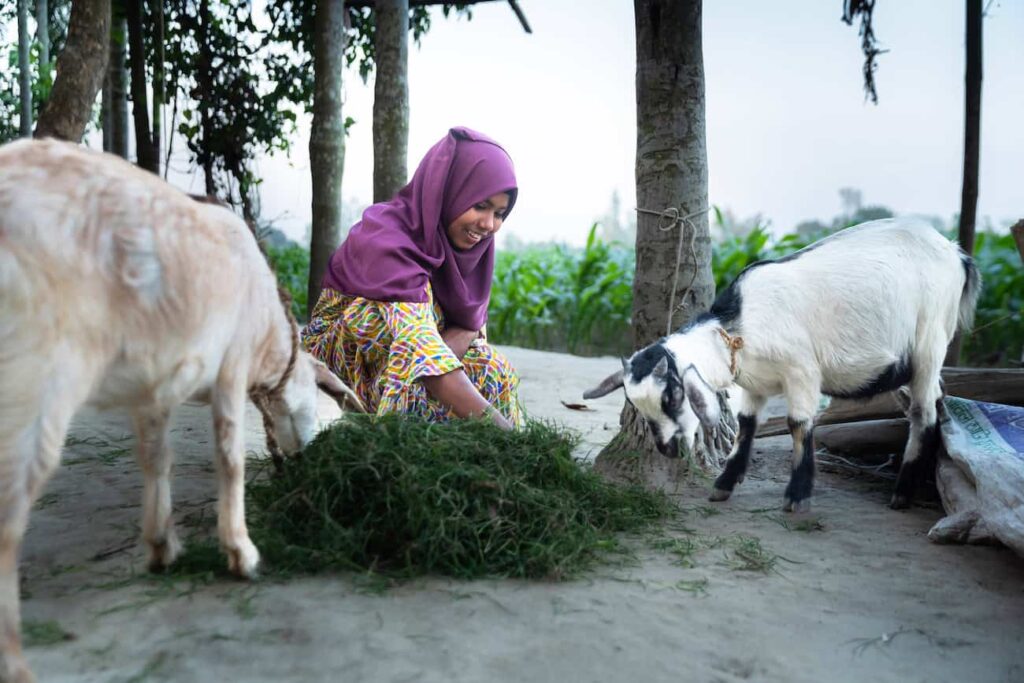
Action Aid, a global charity focused on women and girls living in poverty, took direct action against this issue in the geographically isolated region of Kurigram. In a 12-month pilot program, the charity provided financial assistance to families which included scholarships to keep girls in school, help with school fees, and lump sum amounts to establish new income sources, such as buying livestock.
Alongside monetary aid, Action Aid helped form a network of youth clubs composed of 120 members, offering girls a safe environment where they can discuss their struggles, exchange experiences, and proactively prevent child marriages. The initiative successfully stopped at least 18 child marriages, provided scholarships for 40 students at risk, and produced new sources of income for 30 vulnerable families.
Romana, the vice president of one of these youth clubs, successfully managed to prevent her own forced marriage as well as that of a friend. Narrating her experience, Romana said, “We all came together and intervened. We stressed the harmful implications of child marriage, the importance of education, and made her father aware of the legal consequences. We even involved school teachers to reinforce our message and were able to successfully stop the marriage.”
Abdullah Al Mamun, the leader of Action Aid Bangladesh’s child sponsorship and child rights program, expressed the charity’s desire to extend the initiative to other areas. He underscored the initiative’s success as a call to action for local authorities to better enforce laws against child marriage.