This coverage is made possible through a partnership between BPR and Grist, a nonprofit environmental media organization.
Amid increasing climate risks, a rise in homeowner’s insurance premiums is gaining attention nationwide. New findings from Insurify reveal that North Carolina’s insurance rates are expected to ascend by 5% in 2026, following a 14% increase since 2023, although rates dipped slightly in 2024. Despite these modest increases, the state’s situation remains complex.
Data from the National Centers for Environmental Information highlights that between 1980 and 2024, North Carolina experienced 121 billion-dollar disasters, with an average of over seven such events annually since 2020.
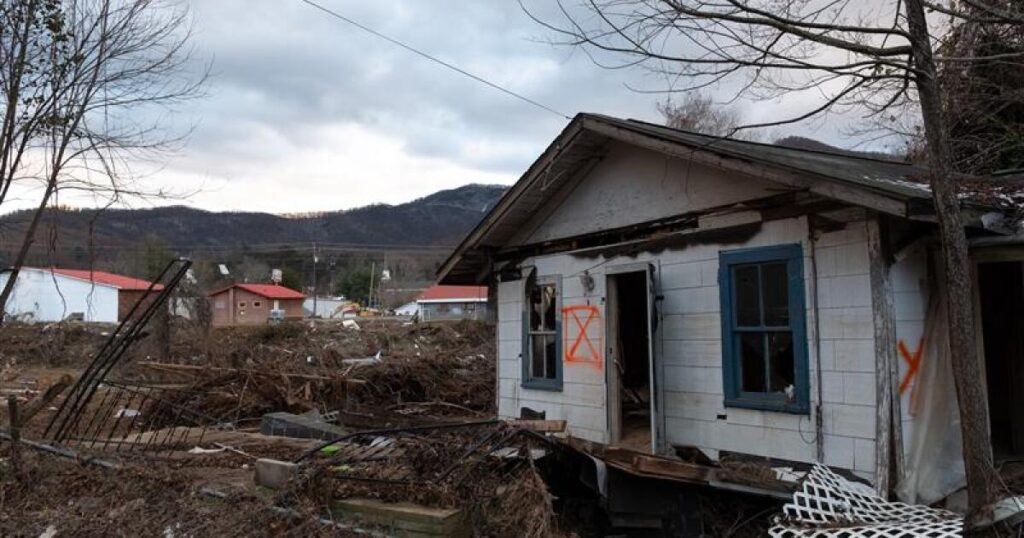
The state’s insurance premiums have faced turbulence. Last year, the state’s rate bureau sought a 42% hike, citing risks from coastal developments and damages from Hurricane Helene. However, the state insurance commissioner approved only a 7.5% increase. Much of the damage in recent years arises from floods caused by massive storms like Helene and Florence, yet homeowner’s insurance does not typically cover flood damage.
Bob Tatum, a homeowner in Avery County, illustrated the hurdles faced by residents. His $2,000 per year State Farm policy did not cover wind and tree damage from Hurricane Helene, as the insurers deemed it flood damage. Tatum had previously dropped his $9,000 per year flood insurance due to its cost, saying, “They kept saying, ‘No, it’s flood,’ they wasn’t going to cover anything.”
According to Jayson O’Neill from Unlocking America’s Future, “In North Carolina and in higher-risk coastal states, insurers are not providing coverage, like in your base home policy plan, for things like high wind damage.” A report by the organization found that a quarter of insurance claims following Hurricane Helene were closed without payment. Furthermore, some insurers are pulling out altogether. Nationwide, for instance, dropped 10,000 policies in storm-prone areas of the state in 2024.
Moreover, a “consent to rate” loophole permits insurers to request homeowners to agree to rate hikes, potentially leading to further increases. State Insurance Commissioner Mike Causey emphasizes the necessity of balancing consumer protection with maintaining a viable insurance market: “You can’t run the companies out of business, or we’d all be in trouble. So, we’ve been trying to keep the increase as close to zero as possible.”
Jake Bittle, Emily Jones, Juanpablo Ramirez-Franco, Vivian La, Anila Yoganathan, and Clayton Aldern contributed to this story. You can read the national version here.