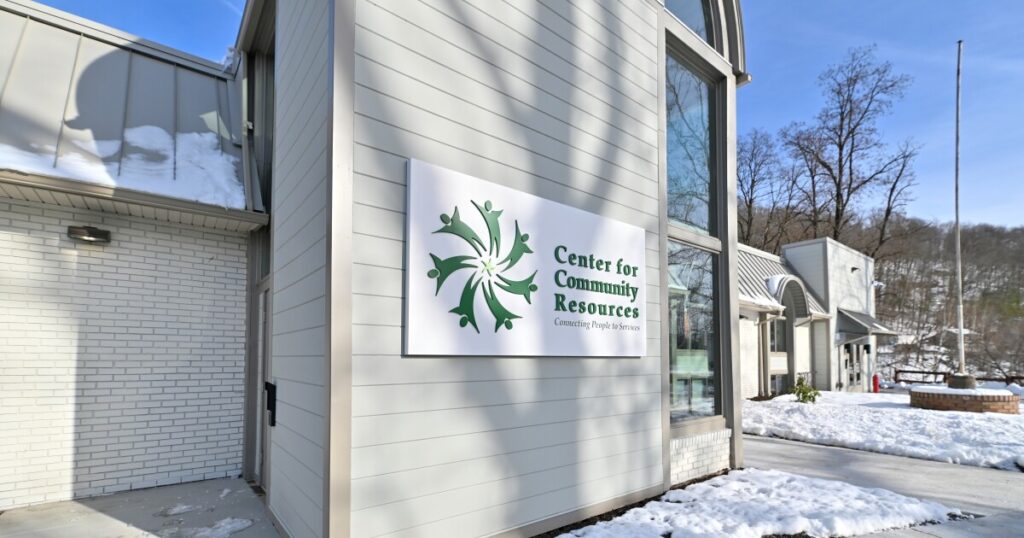
Since relocating to Park Street in Honesdale, the Northeast Regional Crisis Stabilization Center has seen an astonishing rise in walk-in visits, marking a 280% increase. This surge reflects the community’s growing awareness and acceptance of the center’s vital services.
“From December and January to now, compared to that period a year prior, our walk-in traffic is up 280%, so I think the words getting out there, we were fortunate to have, it seems to be embraced by the community… People are finding that it is a quick and easy place to get treatment, and in that time of need, and we’re hoping that continues,” stated John Nebzydoski, the Behavioral Health Director at the Wayne County Office of Behavioral Development Programs and Early Intervention.
Previously, the center offered limited walk-in services, operating only five days a week for eight hours each day. However, the availability of services expanded significantly when the Northeast Regional Crisis Stabilization Center launched its 24/7 crisis intervention service on December 18.
In addition to the enhanced walk-in services, the Center has introduced a crisis residential program. This program, which opened on March 15, is located upstairs from the walk-in center and features an eight-bed facility catering to adults over 18.
Crisis Residential Program in Honesdale
This residential program serves as a crucial alternative for those not needing full inpatient psychiatric care but requiring more support than a home environment. Nebzydoski explained, “It’s a five to 10-day stay where they’ll receive treatment therapy…get them stabilized and referred for follow-up care.”
Patty Gilgore, Director of Programs at the Center for Community Resources (CCR), noted that the program’s baseline stay begins at five days, with an extension possible up to ten days depending on treatment needs.
CCR, alongside Wayne County’s Office of Behavioral and Developmental Programs and Early Intervention and the Carbon-Monroe-Pike Mental Health and Developmental Services (MH/DS), operates the center. The total cost of establishing the center, including design, purchase, and renovation, amounted to $3,311,912, funded by grants from various organizations such as the Health Resources and Services Administration and the Community Development Block Grant Program.
Gilgore highlighted the strength of the multidisciplinary team supporting the residential program, stating, “We have a large multidisciplinary team, which includes psychiatric mental health nurse practitioners, RNs, licensed therapists, case managers, peers, certified peer specialists and mental health support staff.”
Referrals to the program can be made by healthcare providers or individuals themselves. Those in need can reach the crisis residential program by calling 570-290-8780 or the 24/7 crisis intervention number at 833-577-3224.

Submitted by the Center for Community Resources
Offering services irrespective of insurance coverage, the center utilizes grant funds to support uninsured care. “The good news is that anyone can be served,” Nebzydoski remarked, emphasizing the center’s flexibility in coverage options.
Bringing Mental Health Care to Rural Counties
The crisis residential program primarily serves residents from Wayne, Pike, Monroe, Lackawanna, and Susquehanna counties, providing a much-needed resource that was previously unavailable in these areas. “This gives the community another option, another opportunity in our rural counties that hasn’t existed before,” said Gilgore.
Nebzydoski highlighted the program’s significance as the first of its kind in Wayne County, fostering local access to mental health care that was formerly distant and impractical.
To further facilitate access, the Center has utilized grant funds to purchase vehicles, allowing them to offer transportation for individuals requiring treatment. “We’re just trying to make the ease of access lessen the burden to get people treatment when they need it,” Nebzydoski explained.

Easing the Burden on Rural Emergency Rooms
Emergency rooms are often overwhelmed with patients. Research archived at the National Institutes of Health found that triage practices typically place individuals experiencing a mental health crisis low on the priority list for treatment.
Gilgore emphasizes the importance of directing individuals experiencing mental health crises away from emergency rooms. “Sometimes people will utilize the emergency room because they’re not sure where else to go… They’re discharged from the ER, and then a lot of times, the crisis that they’re experiencing doesn’t resolve itself, and then they end up inpatient,” she explained.
The crisis residential center provides an alternative and less restrictive environment, helping prevent the escalation of mental health issues that might otherwise lead to hospitalization.
With the 24/7 walk-in center already operational, Nebzydoski anticipates the crisis residential program will further enhance the center’s ability to meet community needs. “We’d like to reduce those inpatient hospitalizations, if they’re not needed, reduce people experiencing crisis waiting in the ER for hours on end, and hopefully some outcomes like reduce suicides and tragedies like that, if people can get access to mental health care quickly, conveniently close to home,” Nebzydoski stated.