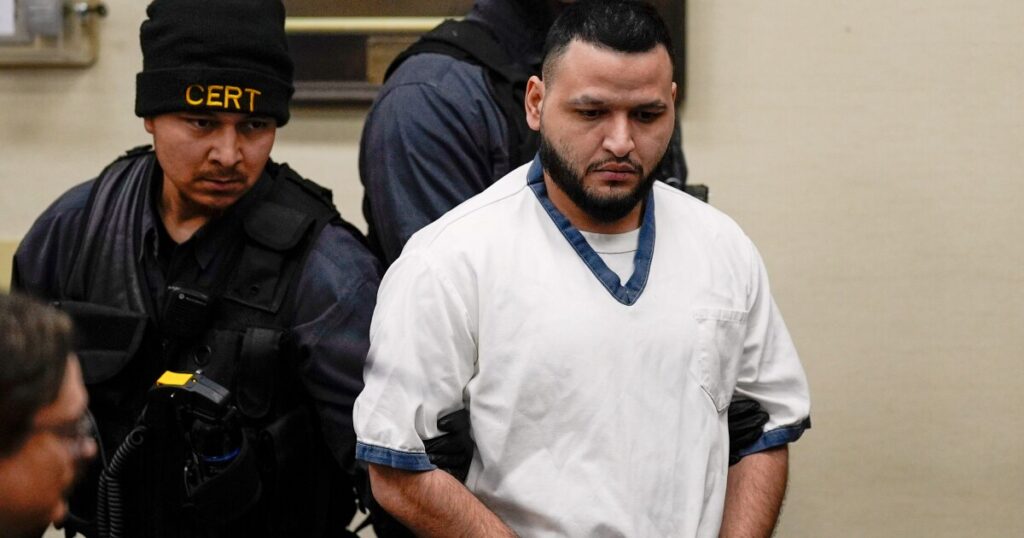
A controversial case involving the murder of Georgia nursing student Laken Riley by Venezuelan national Jose Ibarra has taken another legal turn. A judge has denied Ibarra’s request for a new trial, maintaining his conviction and life sentence, which has ignited discussions on immigration policies.
The legal team representing Ibarra argued that his constitutional rights were compromised due to the denial of two pre-trial motions. These motions included a request to postpone the trial to allow for a thorough examination of DNA data by an expert, and another to suppress certain cellphone evidence.
Clarke County Superior Court Judge H. Patrick Haggard, who oversaw the trial, stated in his recent decision that the evidence against Ibarra was “overwhelming and powerful.” Following Ibarra’s decision to waive his right to a jury trial, he was found guilty of murder and additional charges in November 2024, resulting in a life sentence.
A representative for Ibarra’s legal counsel indicated plans to appeal the decision.
Ibarra, aged 28, had entered the United States unlawfully in 2022 and was residing in the country while his immigration case was processed.
According to prosecutors, the incident occurred on February 22, 2024, when Ibarra encountered Riley during her run on the University of Georgia campus in Athens, leading to a fatal confrontation. Riley was enrolled at Augusta University College of Nursing, which has a location in Athens, approximately 70 miles from Atlanta.
Ibarra’s defense team had sought a trial postponement after a DNA expert required six weeks to assess evidence processed with TrueAllele Casework, a software tool for DNA analysis intended to aid the defense. Judge Haggard’s order noted that the defense “effectively challenged the TrueAllele DNA evidence at trial,” and concluded that denying the delay did not prejudice Ibarra’s case.
The DNA expert provided testimony during a hearing in January related to the new trial motion. The judge found her testimony unconvincing and unlikely to have influenced the trial’s outcome.
Additionally, Ibarra’s attorneys contested the seizure of two cellphones from his residence, arguing they were not specified in the search warrant. They sought to exclude evidence retrieved from them. Haggard justified the seizure, citing “exigent circumstances,” and clarified that the phones were only examined after appropriate search warrants were secured.