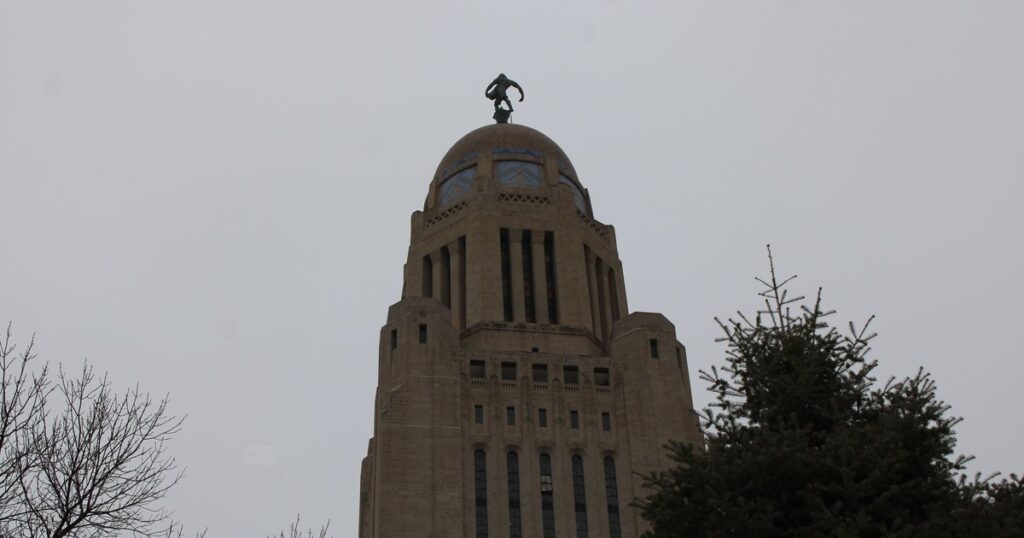
As Nebraska lawmakers gear up to debate a new budget proposal, the conversation around taxes and fiscal policy is heating up. Central to the discussion is the question of how to attract new residents and businesses to the state while managing tax rates and budget shortfalls.
Senator Mike Jacobson has voiced strong opposition to certain aspects of the debate, particularly the notion of increasing taxes on high-income individuals. Jacobson emphasized the importance of competitive tax rates to encourage in-migration, stating, “I don’t care what think tank comes up with something and says, ‘Well, people aren’t moving out because of this.’ Let’s understand that migration runs two ways. We want in-migration. Why would someone select Nebraska to start a business, to move a company here and bring employees here, or try to hire employees here if we have the highest property taxes, the highest state income taxes in the region?”
He further criticized the idea of taxing the wealthy more heavily, arguing that high earners play a crucial role in the state’s economy. “We always have this idea: ‘We’re going to go tax the rich. They’re not paying enough. We need to tax them more.’ Well, they didn’t get rich by being stupid. Okay? They understand what tax rates impacts have. They understand that part, I’m telling you. We need to have people here in this state that do make money, that are philanthropic, who do pay taxes that support all of the social programs that our state provides,” Jacobson asserted.
The upcoming budget proposal aims to address a significant budget shortfall projected at the beginning of the legislative session. Initially, the state faced a $471.5 million deficit required to maintain a balanced budget with a 3% reserve. The Appropriations Committee has introduced a proposal that combines budget cuts, cash fund transfers, and withdrawals from the state’s rainy day fund to reduce the shortfall to approximately $125 million.