Picture a future where farming on Mars is not a science fiction fantasy but a tangible reality. This bold vision is the focus of discussions between Ehsan Fazayeli, a PhD candidate and agricultural engineer at the University of Nebraska, and Dale Johnson from Nebraska Public Media. Their conversation delves into the intricate challenges of cultivating crops on extraterrestrial soil and the innovative solutions that could make this dream possible.
The Challenges of Space Agriculture
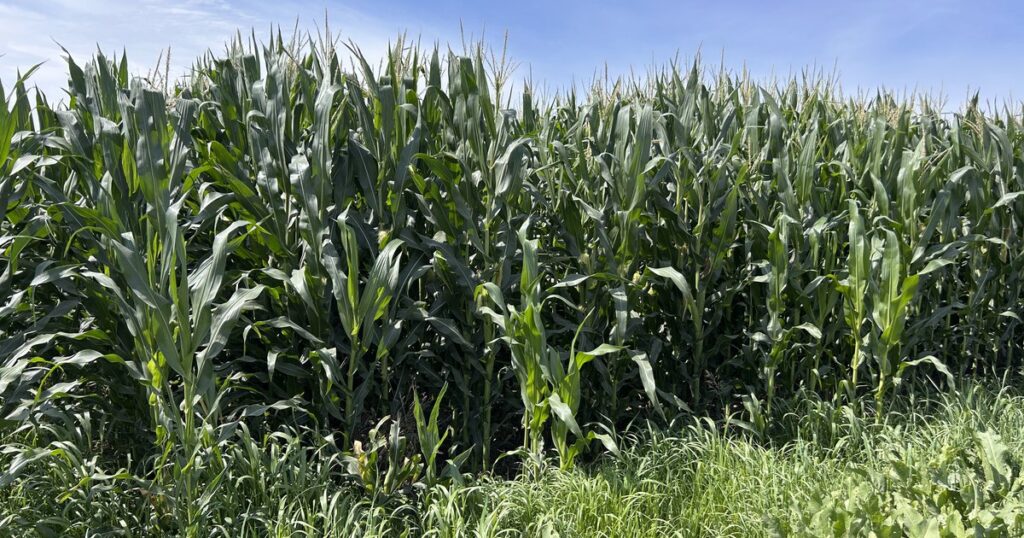
Johnson sparks the discussion by drawing a comparison to the familiarity of a football field-sized acre of corn on Earth, posing the question: what must change to make this a reality on Mars?
Fazayeli explains that the main obstacle in space farming lies in the microgravity environment, where traditional irrigation practices fail. “When you have pots with the plants, water cannot easily drain. Water and air bubbles surround the roots and the plant feels suffocation so they cannot survive,” he says. This necessitates a complete reevaluation of how plants can be grown in space.
Soil-less Solutions
Given the absence of organic matter, microbes, air, or water in lunar or Martian soil, Fazayeli and other researchers advocate for soil-less cultivation methods. “We call them Advanced Hydroponics, when roots of plants are directly in the water and nutrition, so they can source what they need from the water,” Fazayeli states. The toxicity of Martian soil further complicates the use of traditional soil-based growing methods.
The Quest for Corn
Johnson inquires why corn is a focal point, to which Fazayeli responds, “Because Nebraska is famous for corn. We’d love to have corn there.” However, the challenges of water and nutrient scarcity on Mars make corn cultivation particularly complex. Fazayeli suggests starting with crops that require fewer resources, like leafy greens, mentioning that “kale and lettuce keeps coming up” in conversations about early space agriculture. He also highlights the potential for other plants to contribute to life support systems by providing oxygen and removing carbon dioxide.
Key Roadblocks
Fazayeli identifies two primary challenges: sourcing nutrients, particularly nitrogen, and energy availability. He notes, “resupplying from Earth is much more difficult because it’s costly and not reliable.” The need for a controlled environment with artificial lighting and automation systems further amplifies the energy requirement. “How do you want to harvest energy, how do you want to store this energy is one of the big challenges,” he asserts.
The Future of Space Farming
When asked about the timeline for a cornfield on the moon, Fazayeli cautiously estimates, “it shouldn’t be much more than 30 years from now.” As a leading institution in this area of research, the University of Nebraska is at the forefront of these discussions, contributing to NASA’s progress towards sustainable space agriculture.
Johnson concludes their conversation by acknowledging the groundbreaking work taking place at the university, thanking Fazayeli for his insights into the future of farming beyond Earth.