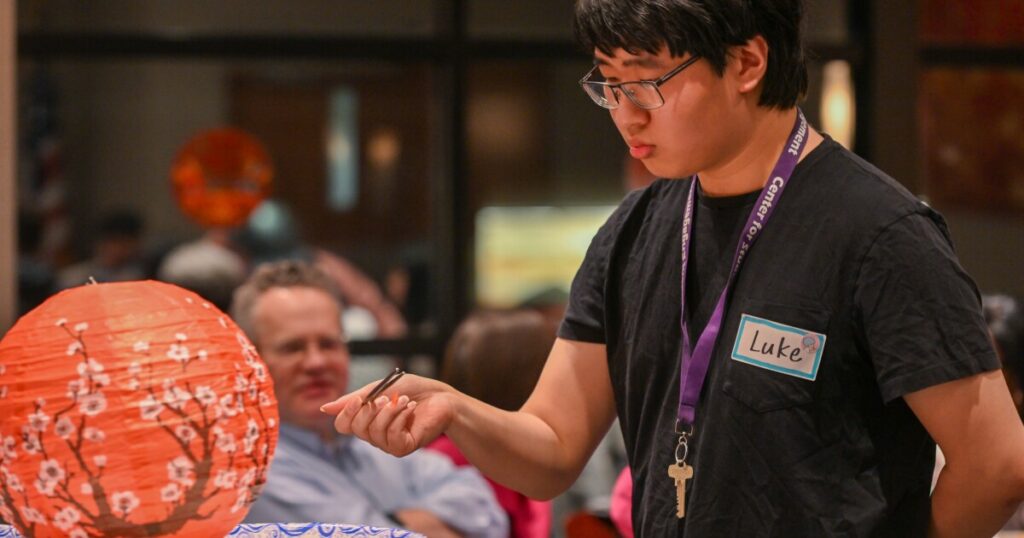
As the Year of the Horse kicks off, the University of Scranton marks this occasion with a vibrant celebration that echoes the spirit of freedom and movement inherent in this zodiac sign. Dr. Ann Pang-White, a key figure in these festivities, highlighted the year’s potential for growth and progress during the event.
Dr. Pang-White, who directs the Asian Studies program and teaches philosophy at the university, has been instrumental in organizing the Lunar New Year celebrations for over ten years. This year, the event drew a lively crowd of students and faculty to Brennan Hall, where they gathered to share in the festivities.
The celebration featured an array of traditional foods such as spring rolls, noodles, and dumplings. Dr. Pang-White welcomed attendees with a wish for a “galloping year” characterized by prosperity, health, and forward momentum.
The Fire Horse
Celebrated across East Asia, the Lunar New Year is often referred to as the Chinese New Year and is determined by the lunar calendar’s 12-month cycle. Each year in the Chinese zodiac is associated with an animal and an element, with this year pairing the horse with fire.
According to Dr. Pang-White, “fire is going upward too. So it’s supposed to be a year that bring lots of opportunities.” However, she advised careful consideration of these opportunities, encouraging bold but cautious action.
A ‘Remembering Culture’
The rich traditions of Chinese culture during the New Year include the legend of the Nian monster, which villagers scared away with noise and fire, a custom now represented by firecrackers and gongs. Cleaning the home thoroughly before New Year’s Day is said to “sweep out the bad luck,” according to Pang-White.
On New Year’s Day, traditional customs prohibit cooking, cleaning, or laundry to avoid a year filled with labor. The following day, daughters traditionally visit their families, reflecting a culture of gratitude for parental support.
A Series of Traditions
New Year traditions vary across Asia. In Japan, New Year’s Eve features the consumption of soba noodles for long life, followed by bell tolling at temples to signify the 108 worldly desires. On New Year’s Day, symbolic meals are consumed, including shrimp for longevity. Visiting instructor Fujita Kazumasa shared these traditions and led an origami session with participants.
Cutlery Competition
A highlight of the celebration was a chopstick competition, described by Pang-White as “the symbol that unites a lot of Asian cultures.” Teams competed to transport popcorn and M&M candies using chopsticks, showcasing their dexterity and teamwork.
The Red Envelope
During the celebration, red envelopes, symbolizing luck and often containing money, were distributed. Visiting instructor Chihyi Wu, dressed in a traditional red dress, led a session on Chinese calligraphy and explained the cultural significance of the red envelopes. “Happy New Year. I wish you have a good fortune,” she wished the participants, encapsulating the spirit of the occasion.