
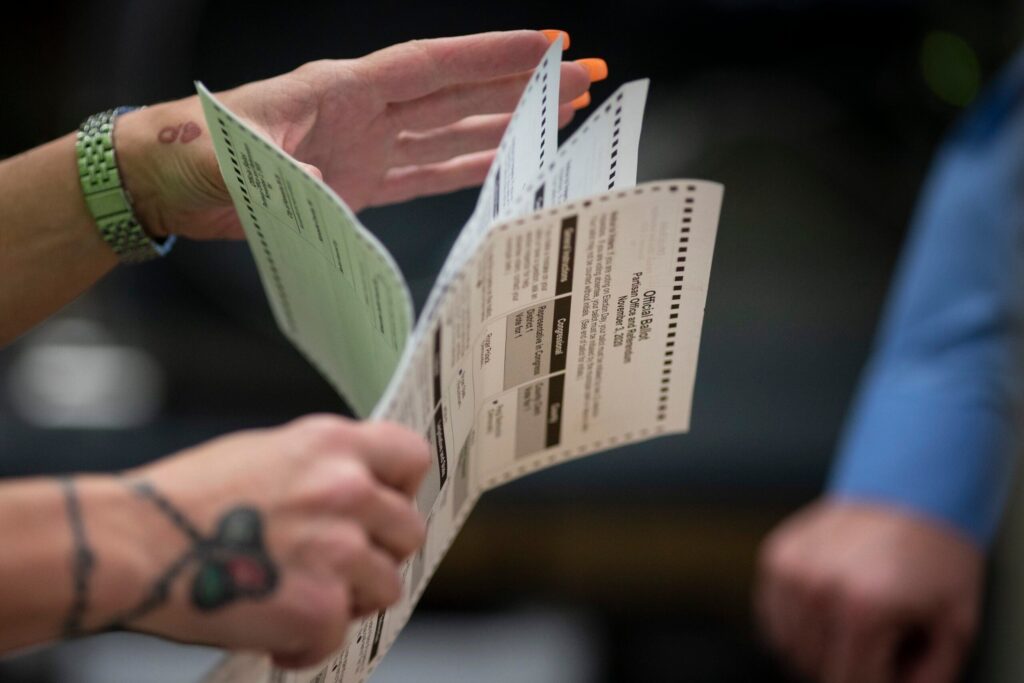
The upcoming election in Wisconsin on November 3rd is not just about choosing candidates; it also presents voters with the decision on three significant statewide referendums. These measures, if passed, propose to alter the state’s constitution, impacting how governance is conducted in Wisconsin.
These ballot proposals emerged after gaining approval from the Republican-led state Legislature over two successive sessions. Now, they await the verdict of the Wisconsin electorate.
Wisconsin’s Partial Veto Power
The first proposal seeks to restrict future governors from using their partial veto authority to increase taxes or fees. This measure comes in response to an action by Democratic Governor Tony Evers in 2023, when he utilized his veto power to extend a tax provision by 400 years, a move that has been criticized as an overreach.
Historically, Wisconsin governors, irrespective of their political affiliation, have wielded expansive veto powers. However, the recent actions by Governor Evers have reignited debates around the limits of this authority. Supporters argue the amendment is necessary to prevent future abuses, while critics warn it may hinder governors’ ability to secure funds for essential services.
Freedom to Worship During Emergencies
The second referendum aims to amend the state constitution to prevent the government from closing places of worship or restricting gatherings during emergencies, including public health crises. This proposal emerged in reaction to restrictions imposed during the COVID-19 pandemic.
State Senator Cory Tomczyk expressed strong support for this amendment, emphasizing the importance of religious freedom. However, opponents argue that existing constitutional protections are sufficient and that the amendment could complicate public safety efforts.
Prohibition of Governmental Discrimination
The final ballot question addresses the issue of governmental discrimination. It seeks to prevent any government entity from discriminating against or favoring individuals based on race, sex, national origin, or ethnicity.
This measure is part of a broader Republican effort to counteract diversity, equity, and inclusion initiatives. Proponents, like Senator Steve Nass, argue that any form of preferential treatment constitutes discrimination. Critics, however, contend that the amendment could impede efforts to address historical inequalities and diversify institutions.
As Wisconsin voters head to the polls, these constitutional amendments represent key decisions that could shape the state’s governance and societal values for years to come.


