Wisconsin Residents Show Support for Higher Conservation Fees
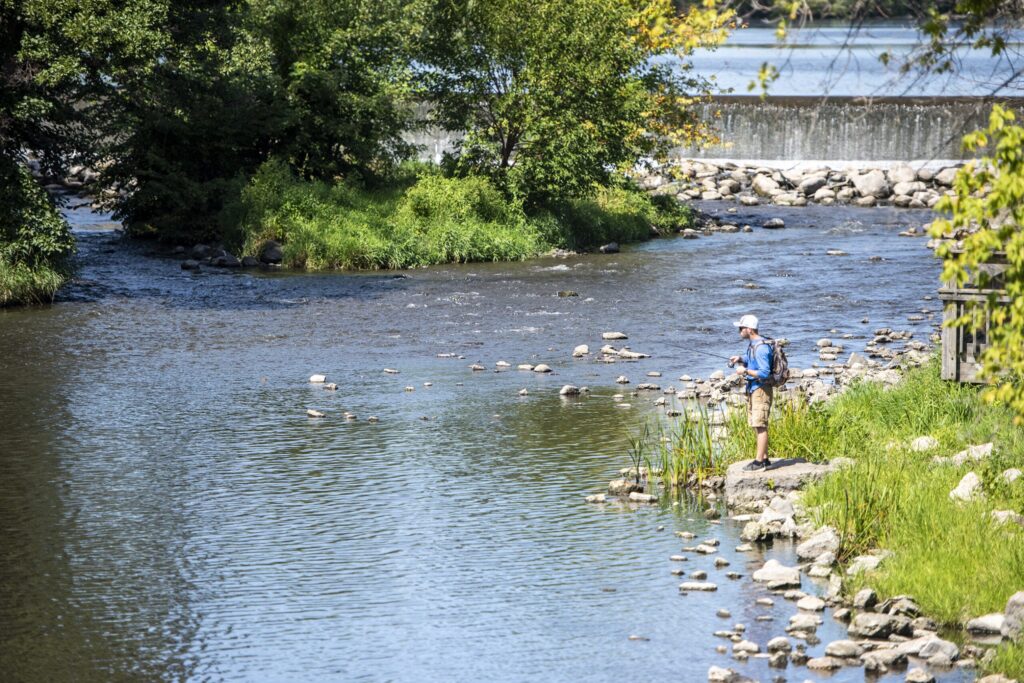
In a recent series of hearings, the majority of Wisconsin residents demonstrated their willingness to back a notable increase in hunting, fishing, and trapping license fees. These fees, which have remained unchanged for decades, are seen as crucial for maintaining the state’s natural resources.
Approximately 1,200 people attended the in-person sessions organized by the Wisconsin Conservation Congress, an elected group that advises the Natural Resources Board and the Department of Natural Resources. Nearly 7,000 individuals participated overall, including online voters, addressing more than 40 conservation-related issues.
Each spring, Wisconsin citizens have a chance to express their opinions on the management of the state’s natural resources. This year, there was a clear consensus for increasing fees to sustain DNR programs. Additionally, there was support for raising fees for trout and turkey stamps, which have not been updated in over 20 years. Conversely, proposals for public land access fees and registration fees for non-motorized watercraft were not favored.
The Wisconsin Conservation Congress is set to convene later this month to review the hearing outcomes and decide which proposals will progress to the DNR and its board for further consideration.
Patrick Durkin, an outdoors reporter with extensive experience covering these hearings, shared insights on WPR’s “Wisconsin Today.” He explained the longstanding issues with fee increases and the factors driving public support for higher fees. “This has been an issue going back 20 years — since the last time Wisconsin raised the fees,” Durkin noted, emphasizing the need for legislative action.
Durkin highlighted that while hunters and anglers often complain about fees, they become more receptive when they realize program cuts affect their activities. “The first year of a fee increase, you hear a lot of complaining, and then eventually the complaining dies off,” he said, underscoring the relative affordability of license fees.
Participation in this year’s hearings was the lowest since 2019, which Durkin attributes to natural fluctuations in attendance. “Even though this year’s attendance was low, if you ever go to the Capitol to attend hearings, most bills that get hearings don’t draw those kinds of numbers overall,” he remarked, affirming the accessibility of this democratic process.
For the proposals to advance, Durkin emphasized the importance of public support. “Ultimately, it’s always going to come down to people contacting their lawmakers, letting them know they support these things,” he stated, clarifying that legislative reluctance to increase fees stems from a perception that fees equate to taxes.