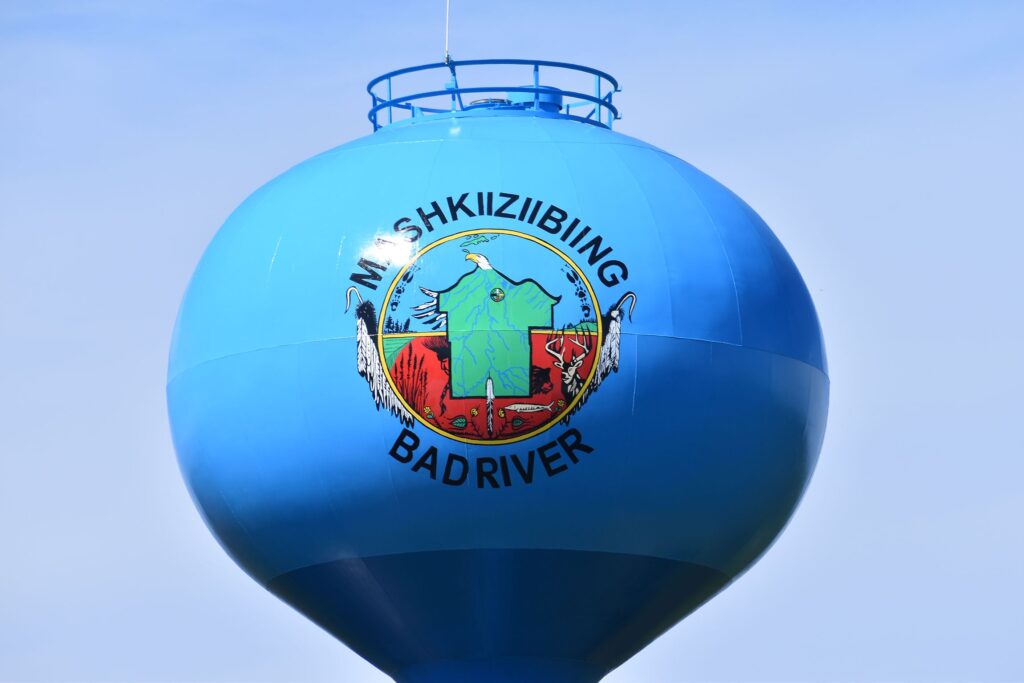
Tribe Seeks Legal Intervention to Stop Enbridge Pipeline Reroute
In a bid to preserve their land and resources, the Bad River Band of Lake Superior Chippewa is seeking a court order to halt the construction of a $450 million pipeline reroute by Enbridge. This legal action follows an administrative ruling that upheld state permits for the project.
The tribe filed a petition in Iron County Circuit Court, challenging the recent decision by Administrative Law Judge Angela Chaput Foy, who found that the approvals met state requirements. The tribe also filed a motion to stop the construction of the pipeline, which is intended to bypass their reservation.
Bad River Chairwoman Elizabeth Arbuckle emphasized the significance of the Bad River watershed, stating, “For generations, the Bad River — Mashkiiziibii — and the waters that flow into Lake Superior have nurtured our healthy walleye, sustained our wild rice beds, and kept our community vibrant and strong.” She added, “The Band River watershed is not an oil pipeline corridor that exists to serve Enbridge’s profits. It is our homeland. We must protect it.”
Judge Foy’s ruling came after the tribe and several environmental groups contested the state permits granted to Enbridge, a Canadian energy company. John Petoskey, an Earthjustice attorney representing the tribe, criticized the decision, describing it as flawed and lacking in baseline data on the pipeline’s potential impacts.
The proposed reroute, a 41-mile segment of Enbridge’s Line 5, has faced scrutiny since the tribe sued in 2019 due to expired easements. The pipeline, which transports up to 23 million gallons of oil and gas liquids daily, has been a point of contention for its potential environmental impacts.
The reroute would intersect nearly 200 waterways and impact around 101 acres of wetlands in Ashland and Iron counties. Construction activities, including blasting and drilling, could have long-lasting effects on the environment, according to tribal leaders and environmental experts.
Enbridge argues that the project’s environmental and water quality impacts would be minimal, citing extensive studies and the involvement of the Wisconsin Department of Natural Resources (DNR), which has received over 32,000 public comments on the proposal. The DNR maintains that the project meets the necessary permitting standards.
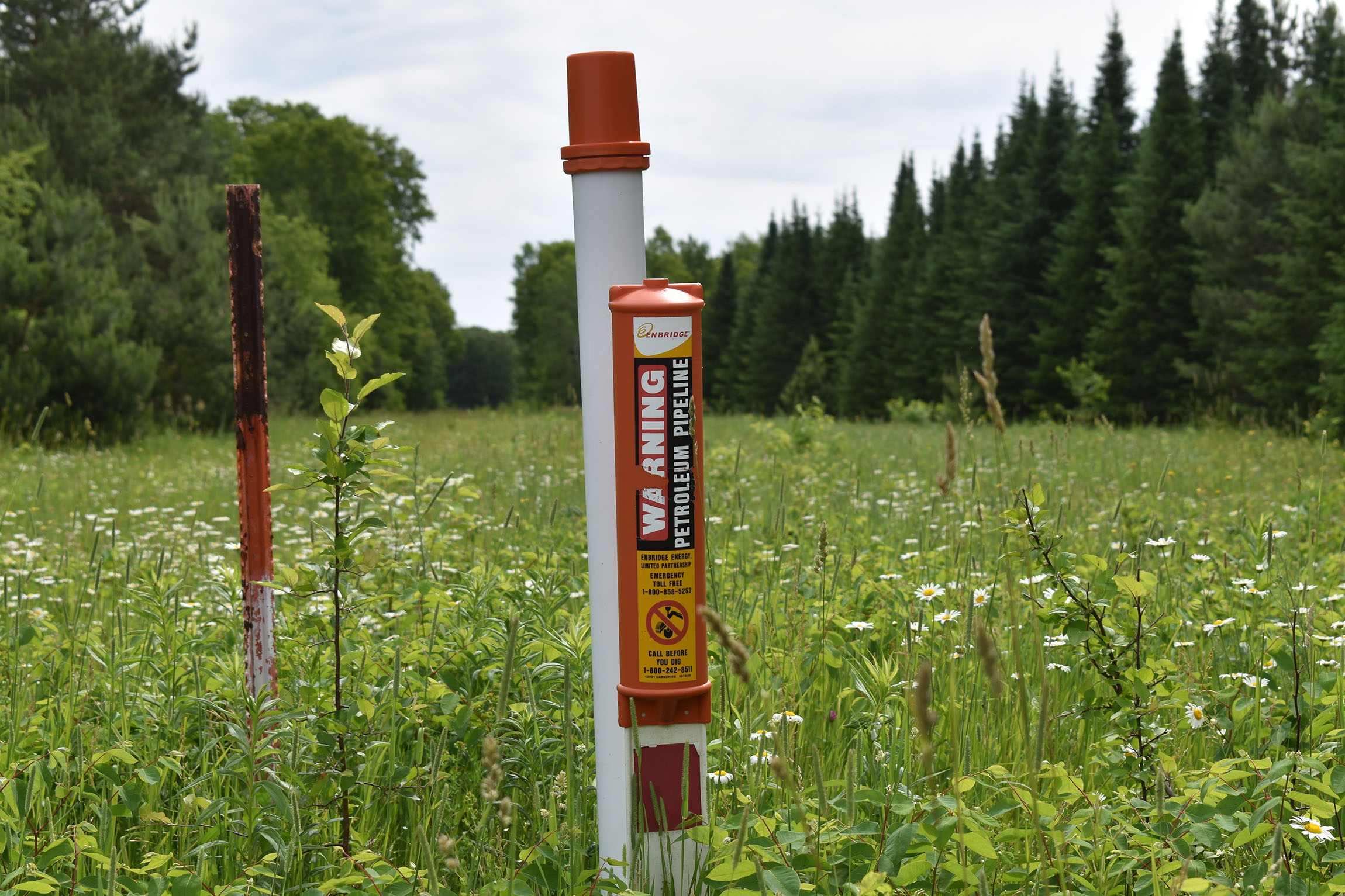
Although Enbridge has secured a preliminary federal permit from the U.S. Army Corps of Engineers, the tribe filed a lawsuit to overturn it, claiming violations of federal environmental laws. The company expects the permit to be finalized soon.
Supporters of the pipeline argue that its economic benefits, including the creation of 700 union jobs and a $135 million economic impact, outweigh the environmental concerns. They warn of potential fuel shortages if the reroute is not completed.
However, past incidents, such as the 2010 Michigan oil spill and aquifer breaches in Minnesota, have fueled opposition to Enbridge’s projects. In 2023, a federal judge ordered the company to compensate the tribe for trespassing on expired easements and to reroute or shut down Line 5 by June. Both parties are currently appealing the decision.