Wisconsin’s Electric Vehicle Infrastructure Expansion Resumes After Legal Victory
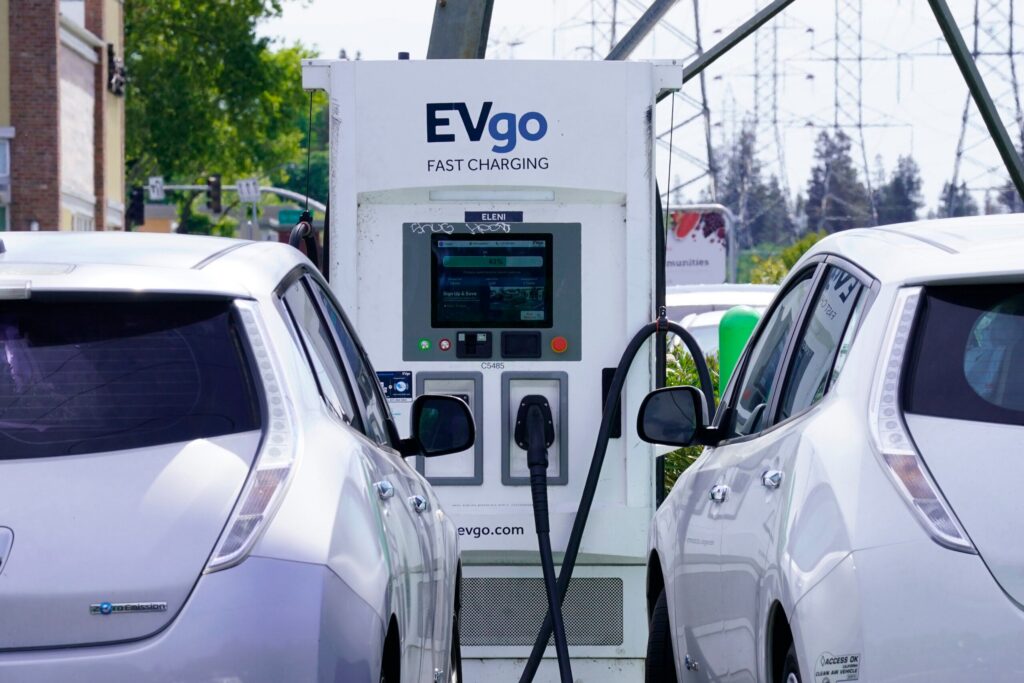
The landscape of electric vehicle (EV) infrastructure in Wisconsin is poised for a significant expansion. A recent federal court decision has unlocked funds previously frozen under the Trump administration, allowing for the installation of 42 new EV charging stations across the state.
Following a lawsuit involving Wisconsin and 15 other states, a federal judge ordered the release of funds that had been authorized by Congress. This court ruling comes after the Department of Transportation was found to have withheld these funds, defying congressional intent.
A statement from Democratic Gov. Tony Evers revealed that the new charging stations will be strategically located at gas stations, hotels, and grocery stores along major interstates from Hayward to Racine. This initiative is part of the National Electric Vehicle Infrastructure program established under the 2021 Bipartisan Infrastructure Law, which did not receive support from any of Wisconsin’s Republican congressional representatives.
The Wisconsin Department of Transportation notes that 25 charging stations are already operational. State DOT Secretary Kristina Boardman highlighted the importance of these stations, stating, “The stations provide fast charging at convenient locations where drivers can also take care of other errands while charging up.” She added that the program is beneficial for local businesses, including fuel retailers, grocery stores, hotels, and restaurants.
During the early period of Trump’s second term, the federal EV infrastructure program was halted. Representative Tony Wied, a Republican from De Pere, put forth a bill aimed at repealing the program, with Rep. Tom Tiffany, also a Republican, co-sponsoring the initiative. Tiffany is currently running for governor.
In the aftermath of the judicial ruling in January, Gov. Evers accused the Trump administration of repeatedly threatening essential funding and emphasized the state’s efforts to secure these resources. “Today, we’re proud to see this program continue to support our network of clean energy EV charging stations to help meet the needs of Wisconsinites and the demands of a 21st-century economy,” Evers stated.
Clean Wisconsin spokesperson Amy Barrilleaux expressed optimism about the additional $25 million grant, which will facilitate more charging stations, aiding in the reduction of Wisconsin’s dependence on fossil fuels. “This is an important step, and we’re seeing all across the world people making the transition in other countries to electric vehicles. We don’t want to get left behind in Wisconsin or anywhere else,” Barrilleaux remarked.
To ensure the receipt of federal funds, Wisconsin lawmakers passed two bills in 2023 with strong bipartisan support. With the Bipartisan Infrastructure Law set to expire at the end of September, Evers is urging Congress to maintain funding levels for future transportation projects, as noted in a recent statement.