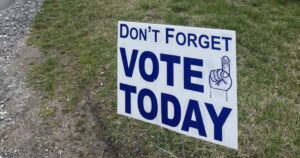
In a stark contrast to last year, the ongoing Wisconsin Supreme Court race has not captured much public attention. The number of absentee ballots cast is significantly lower, trailing by around 112,000 compared to the 2025 election cycle.
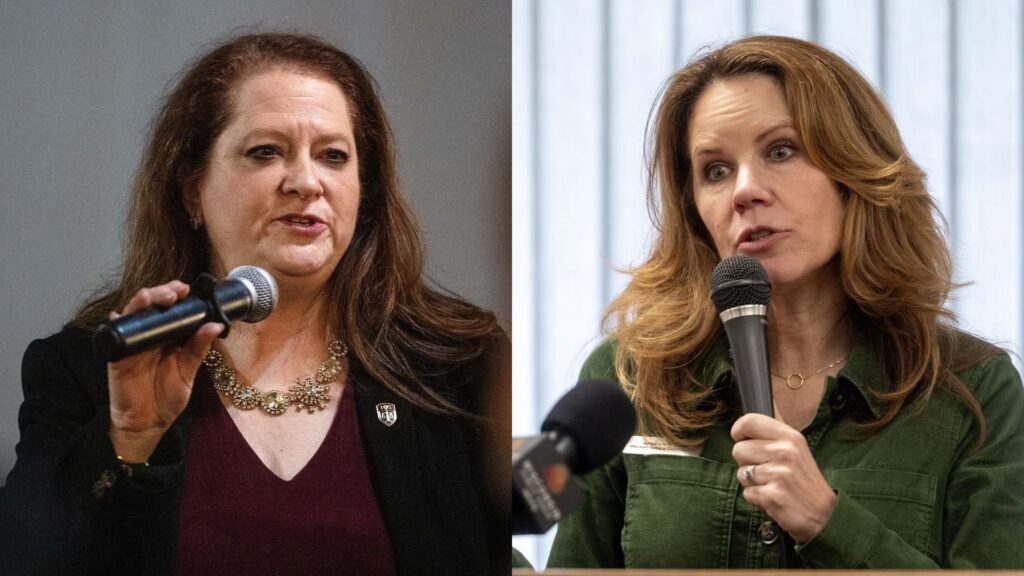
The Wisconsin Elections Commission reported that by Monday morning, 146,583 absentee ballots had been returned. This year’s contest features liberal Wisconsin Appeals Court Judge Chris Taylor against conservative Judge Maria Lazar.
In sharp contrast, the same period last year saw 258,975 absentee ballots returned, with the stakes being the ideological balance of the court. The 2025 race featured former Republican Attorney General Brad Schimel and now-Justice Susan Crawford. Data from March 24, 2025, underscores the higher engagement during that election.
Absentee ballots include those cast in-person, commonly known as early voting. Last year, early voting accounted for 123,354 ballots, whereas this year, only 53,173 have been cast early.
The lack of absentee ballots is not the only indicator of the subdued nature of this year’s race. Fundraising efforts are also notably muted. The 2025 election shattered records with over $100 million in spending, highlighted by a visit from billionaire Elon Musk to encourage voter registration. In contrast, the financial backing for the 2026 race is significantly reduced.
A recent poll by Marquette University Law School revealed that only 12 percent of respondents have paid much attention to the Supreme Court race, compared to 40 percent last year.
According to Mordecai Lee, an emeritus political science professor from the University of Wisconsin-Milwaukee, some elections are “sexy,” while others are “sort of blah.” He described the 2025 election as the “Mount Everest of all Wisconsin Supreme Court races,” noting the intense media coverage and public interest that year.
“There hasn’t been a lot of news about the race this year,” Lee said. “There hasn’t been a lot of spending. There hasn’t been a lot of TV advertising.” He contrasted this with the previous year, when the airwaves and mailboxes were filled with campaign-related content, making it impossible for voters to ignore the race.
Lee compared last year’s election to a “schoolyard fight,” where the excitement and stakes drew widespread attention. However, this year’s race lacks the same level of intrigue or consequence, as the liberal majority on the court remains secure regardless of the outcome.
The absentee ballot numbers suggest that voter turnout for the April 7 election may fall well short of the previous year’s turnout, which exceeded 50 percent of the voting-age population in Wisconsin.