The transition to electric vehicles (EVs) in Wisconsin hinges on addressing range anxiety, the concern that a vehicle might deplete its charge before reaching a destination. This apprehension is not only prevalent among current EV owners but also deters potential buyers in the state.
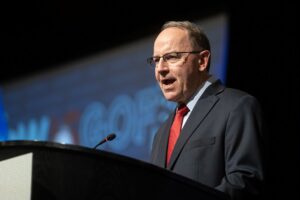
Wisconsin Department of Transportation Secretary Kristina Boardman shared strategies with WPR’s “The Larry Meiller Show” to enhance EV infrastructure and alleviate these fears.
Building Wisconsin’s EV Future
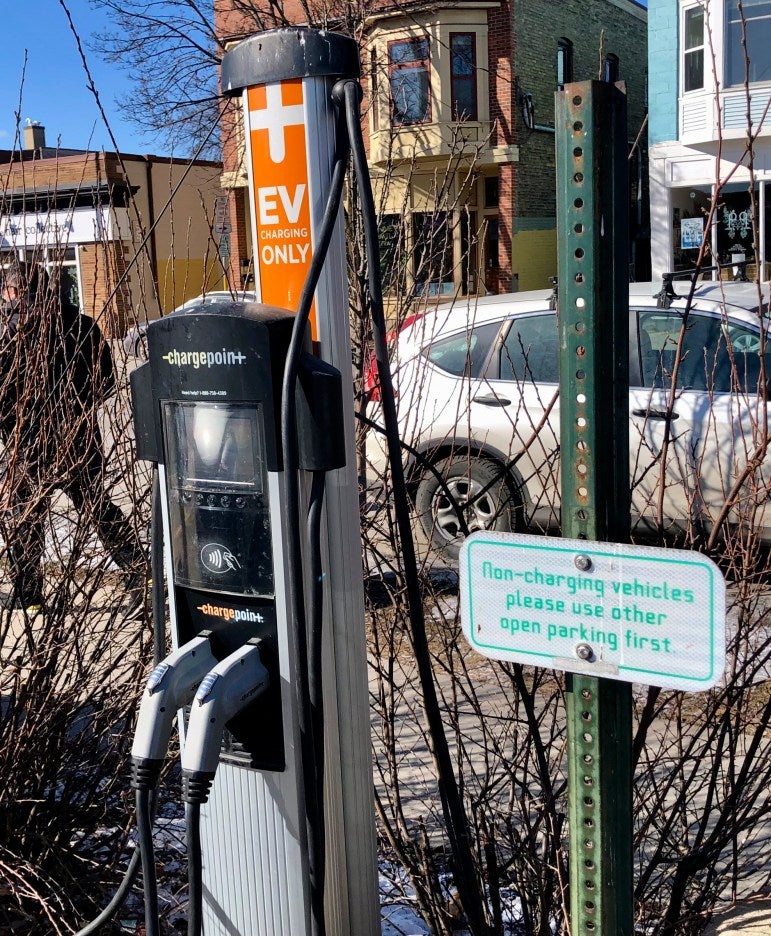
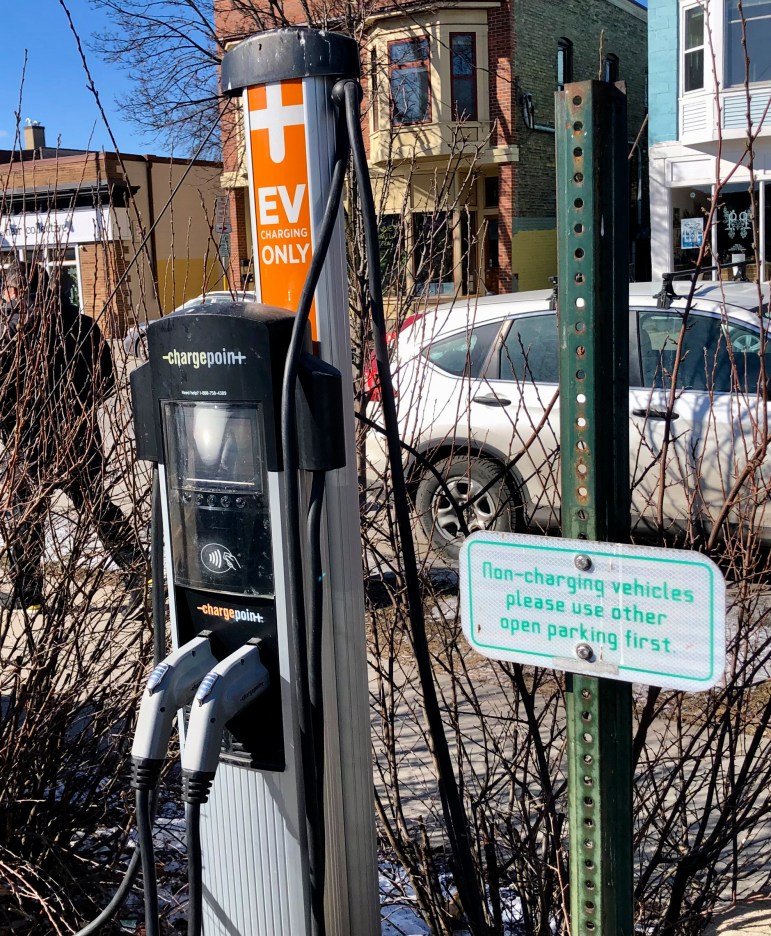
Launched in 2022, the National Electric Vehicle Infrastructure (NEVI) program marked the beginning of Wisconsin’s concerted efforts to expand its EV infrastructure. The state has secured approximately $78 million in funding aimed at developing a network of charging stations along its major highways, identified as alternative fuel corridors.
According to Boardman, 78 charging stations were planned, with 21 already operational by April 2026. The Wisconsin DOT provides an online dashboard to track the progress of these installations.
“We’re targeting that interstate system and identifying areas so that someone can always be within 50 miles of a high-quality charger,” Boardman explained.
Planning Your Electric Journey
Despite the growth in charging infrastructure, Boardman emphasized the importance of planning for EV drivers, warning, “I will say you can’t wing it. You have to plan ahead.” She reassured, “But I think you can get everywhere through the state.”
Boardman advised EV owners to utilize various apps to locate charging stations not covered by state or federal programs. “There’s other apps out there that you can get on your phone that are looking at all of the vendors,” she said.
As an EV owner herself, Boardman indicated that charging becomes an integrated part of travel over time. “You figure out which ones you like better. Which ones have the good coffee shops. And you cater your journey accordingly.”
Strategic Placement of Charging Stations
Wisconsin’s focus on northern areas is evident, with nearly two-thirds of the 78 planned stations located there. “The target of our first round of applications was really building out that corridor,” Boardman noted, highlighting the need for infrastructure in these parts.
All charging stations are designed to be easily accessible from major highways and located in safe, clean areas. Boardman mentioned the importance of situating stations near businesses with extended hours to offer additional conveniences to EV drivers.
Boardman sees these stations as potential economic catalysts. “I think it’s an opportunity to boost additional economic development in these areas where people are going to be charging their vehicles.”
Increasing EV Adoption
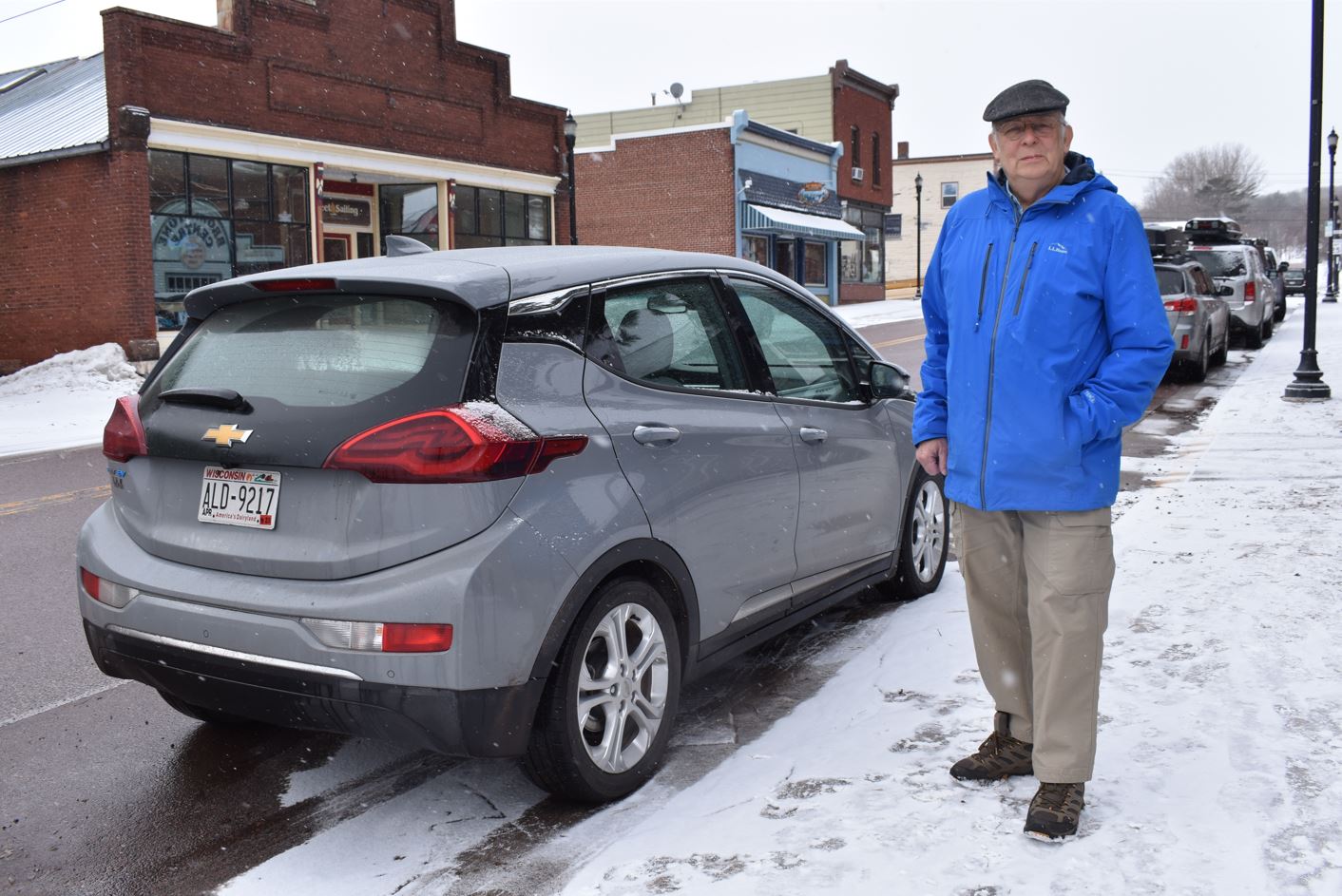
Boardman highlighted the rise in EV registrations as evidence of the burgeoning need for charging infrastructure. “We are definitely seeing the amounts of registered electric vehicles in Wisconsin increasing,” she stated, noting the numbers have doubled over three years.
The focus isn’t solely on local drivers. “We have a significant amount of tourism in Wisconsin,” Boardman added, emphasizing the state’s commitment to offering safe charging options to visitors.
Challenges and Opportunities
A potential federal mandate requiring EV chargers to be entirely American-made raised concerns for Boardman. “Obviously we absolutely support Buy American, but there are some commodities that are not yet available to buy in America,” she explained, stressing the need for policy flexibility.
Empowering Wisconsin Drivers
Boardman’s goal is to provide Wisconsin drivers with ample travel options, free of range anxiety. “It’s up to the user what type of vehicle they’re purchasing, what type of modes they’re using for their transportation,” she concluded, ensuring the state is equipped to meet diverse transportation needs.