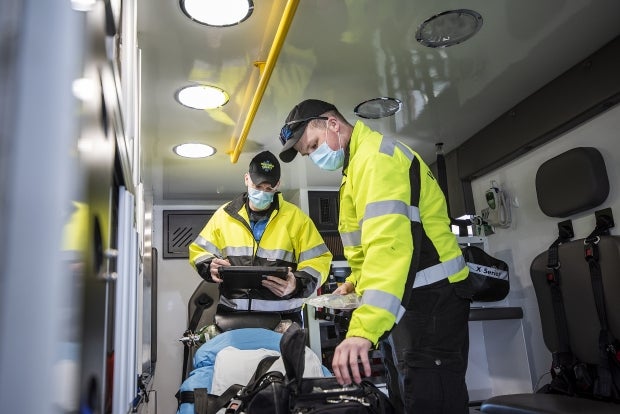
In a significant move to enhance emergency medical services (EMS) across Wisconsin, two new bills have been signed into law. These measures aim to tackle the pressing issues of staffing shortages and financial constraints within the EMS sector, which are nearing a crisis level according to the Wisconsin EMS Association.
New Legislation Targets EMS Improvements
Senate bills 182 and 183 bring forth crucial changes for emergency medical services. Notably, they lower the expenses associated with obtaining EMS-related licenses and enhance Medicaid reimbursement rates for situations where patients are treated but not transported to hospitals.
Additionally, one of these legislative measures allocates grant funding for a pilot program that introduces live 911 video calls, allowing dispatchers to visually connect with callers in real-time.
Challenges in the EMS Sector
Alan DeYoung, executive director of the Wisconsin EMS Association, highlighted the significant challenges faced by EMS workers in a conversation with WPR’s “Wisconsin Today.” He noted the demanding nature of EMS work, particularly in rural areas, where many individuals must juggle multiple jobs to make ends meet. DeYoung stated, “I know many individuals in EMS that work three to four jobs. This may not be their full-time (job). Many times it’s not, especially in rural areas.”
Enhancing EMS Education and Training
Under the new laws, Wisconsin Act 35 ensures reimbursement for EMS education costs, potentially opening doors for more individuals to enter the field. DeYoung explained that this reimbursement applies to both individuals and employers, possibly encouraging a wider range of organizations, from EMS agencies to manufacturers, to invest in training personnel for emergency medical response roles.
Financial Impact of Medicaid Reimbursement Changes
Addressing financial hurdles, the legislation also increases Medicaid reimbursement for EMS providers. Previously, no reimbursement was given if a patient was not transported. The recent changes, however, raise the Medicaid reimbursement from $69 to $175 for on-scene care without transport. DeYoung emphasized the importance of this shift, noting it as a step in the right direction to support EMS departments financially.