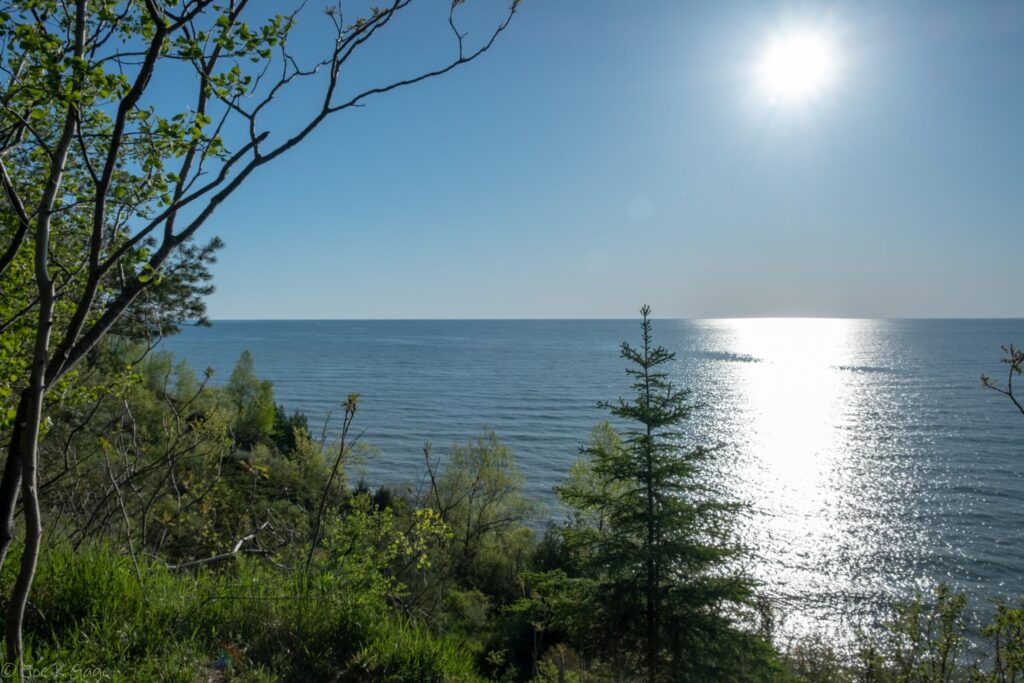
As the deadline for Wisconsin’s longstanding land conservation initiative nears, state lawmakers have taken steps to ensure its continuation. The Wisconsin Assembly, led by Republicans, passed a measure on Thursday to extend the program until 2028, though it introduces changes that have sparked debate.
The legislative proposal, while extending the Warren Knowles-Gaylord Nelson Stewardship program, also aims to reduce its budget and tighten legislative control, a shift that has drawn criticism from Democrats. This program enables the Department of Natural Resources to acquire land for conservation purposes.
Currently, the stewardship program receives approximately $33 million annually. However, the approved bills, AB315 and AB612, propose reducing this funding to around $13 million.
Proponents argue that the legislation is a necessary step to preserve the program. Rep. Shae Sortwell, R-Two Rivers, emphasized the importance of maintaining existing lands, stating, “Let’s make sure we don’t lose what we have today. We can maintain the program. We can go ahead and make sure that we can keep the lands that we already have in good condition and continue to move forward.”
Democrats, however, have expressed concerns over the increased power given to a single legislative committee, urging Republicans to negotiate a more balanced approach. Rep. Tara Johnson, D-Town of Shelby, highlighted unmet expectations, saying, “When we sat here seven months ago and worked on a budget, my colleagues immediately across the aisle on this issue of Knowles-Nelson promised that they would come back with a standalone that was better and stronger. That is not what we have before us today.”
Initially established in 1989 under Republican Gov. Tommy Thompson with bipartisan support, the program was designed to promote conservation. Despite its historical bipartisan backing, recent years have seen partisan clashes, especially following a Wisconsin Supreme Court ruling that limited legislative interference in stewardship projects.
Republicans argue for more oversight, citing concerns about the lack of legislative review and the impact on rural tax bases. Gov. Tony Evers had previously advocated for $100 million annually in his budget, though this was not included in the final state budget. Instead, Rep. Tony Kurtz, R-Wonewoc, introduced legislation to sustain the program with increased oversight, initially proposing $28 million per year. This was ultimately reduced to about $13 million before passing the Assembly 53-44 along party lines.
Rep. Vincent Miresse, D-Stevens Point, offered an amendment to boost program funding and establish an oversight board, but it was rejected. A separate Democratic initiative to reauthorize and double funding has stalled.
Governor Evers expressed disappointment over the lack of a bipartisan agreement and indicated he would only approve a bill that adequately supports Wisconsin’s natural resources. His office reiterated the need for broad legislative support for any reauthorization effort.
Regulating Foreign Involvement in Wisconsin
In addition to the stewardship program, Republicans advanced legislation targeting foreign influence in Wisconsin’s business and education sectors. Rep. Alex Dallman, R-Markesan, emphasized the state’s role in protecting intellectual property and privacy, noting federal limitations.
The proposals include a ban on state contracts with businesses from countries like China and Russia, and restrictions on university partnerships with institutions in those nations. Another bill would prohibit the use of certain genetic software at research facilities linked to these countries.
Critics, including University of Wisconsin representatives, argue these measures could impose significant costs and hinder research competitiveness, potentially violating civil liberties. Despite these concerns, all bills were passed along party lines.
Editor’s note: This story was corrected to update the amount set aside by an amended stewardship bill.