Wisconsin Approves Groundbreaking Electricity Rate Plan for Data Centers
The Public Service Commission (PSC) of Wisconsin has given the nod to a unique electricity rate structure for large data centers in the We Energies service area. This decision, marked by a series of modifications, aims to balance the energy needs of these data centers while safeguarding other customers from potential cost burdens.
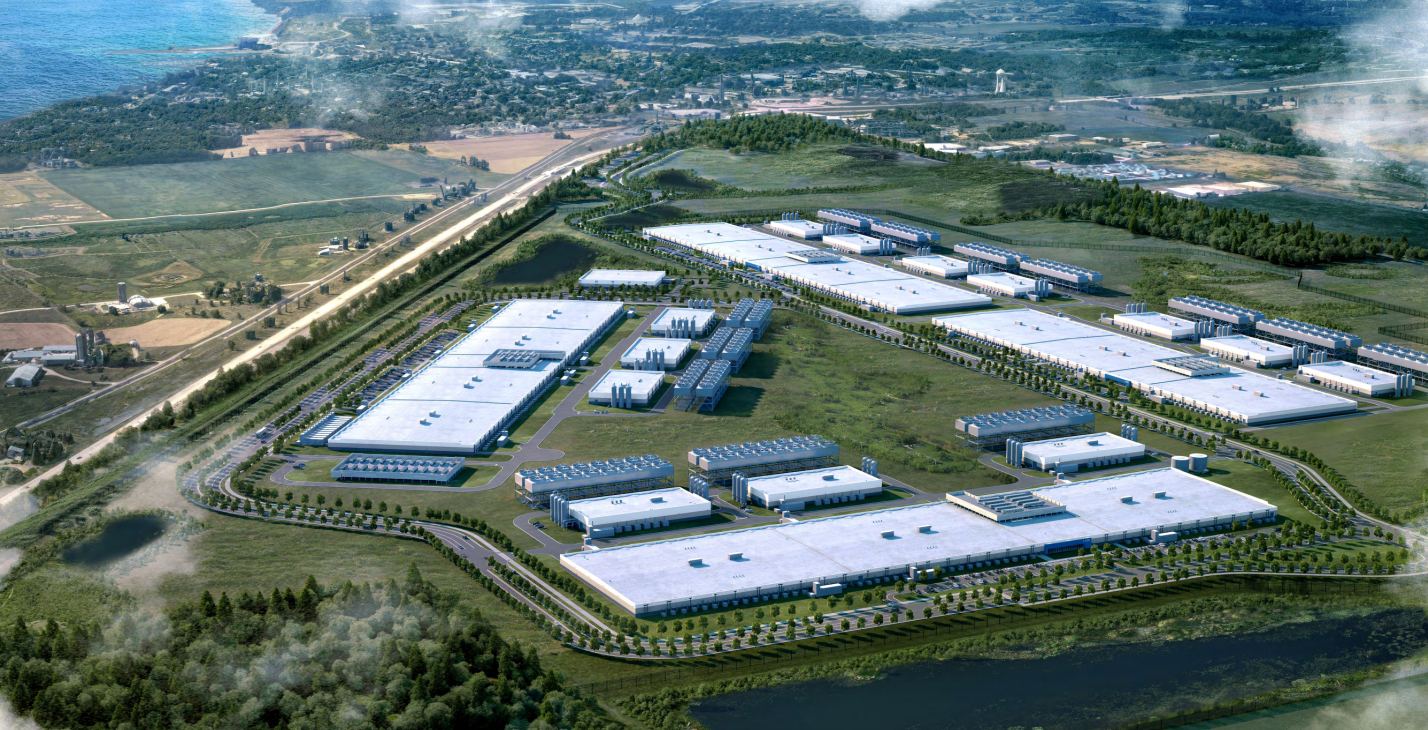
The newly approved rate plan is set against the backdrop of increasing energy demands from data centers in Mount Pleasant and Port Washington, which are forecasted to potentially double We Energies’ energy consumption by 2030. As part of its strategy to meet this demand, We Energies plans to invest $19.3 billion in new electricity generation over the next five years, based on filed testimony with the PSC.
“The decisions we’re making here today will not be limited to this docket,” stated PSC Commissioner Kristy Nieto. “They will shape future proceedings, future investments and the trajectory of the utility system itself.”
In a move to protect residents from bearing the costs associated with powering data centers, PSC commissioners highlighted the necessity for additional safeguards in the utility’s proposal, which they deemed to be moving in the right direction.
“Existing Wisconsin customers should not pay a single cent to subsidize the service of data centers, or very large customers,” Commissioner Nieto affirmed. “Not now and not decades from now.”
Among the changes made to the proposal, the PSC extended the duration of agreements between data centers and utilities to 15 years, reduced the energy demand threshold from 500 megawatts to 100 megawatts for eligibility, and removed a risky subscription model to mitigate potential impacts on non-data center customers.
PSC Chair Summer Strand mentioned that completely denying the special rate plan could disadvantage existing customers, as the plan offers protections that current large customer rates do not. Strand emphasized that these modifications enhance transparency and visibility into these arrangements.
We Energies had initially applied for special electric rates over a year ago, with the intention of shielding residential and business customers from costs associated with data centers. However, critics argued that the plan lacked sufficient protections for these customers.
In response to the PSC’s decision, energy advocacy groups expressed approval, noting the commission’s attentiveness to public concerns. Brett Korte of Clean Wisconsin described the decision as “an important and positive moment for the regulation of hyperscale data centers in Wisconsin.”
Tom Content from the Citizens Utility Board of Wisconsin highlighted that the decision reflects significant public concern over energy affordability and data centers, stating that customers’ interests are now better safeguarded.
The new rate plan mandates data centers to enter into 15-year agreements with the utility, covering costs related to their energy consumption. The energy demand threshold was adjusted to 100 megawatts to align with the threshold for PSC approval of new generation projects.
The PSC’s approval also ties into broader rate cases filed by We Energies and Wisconsin Public Service to raise electric rates in 2027 and 2028. Projections indicate that data centers will shoulder $5 billion in new project costs and another $1.9 billion in additional expenses over these two years.

In response to the commission’s approval, We Energies spokesperson Brendan Conway expressed gratitude, noting that the plan ensures no costs for serving data centers will be subsidized by other customers. Microsoft’s senior director of energy markets, Jeff Riles, also welcomed the commission’s decision, citing it as a step towards continued investment in the state while maintaining a commitment to protecting other ratepayers.