Debate Over U.S. Forest Protection as Administration Seeks Rule Change
The Trump administration’s recent proposal to eliminate a longstanding rule protecting vast tracts of U.S. National Forests has sparked discussions about forest management and conservation. This potential policy shift aims to ease restrictions on logging and road construction across millions of acres, including significant areas in Wisconsin and nearby states.
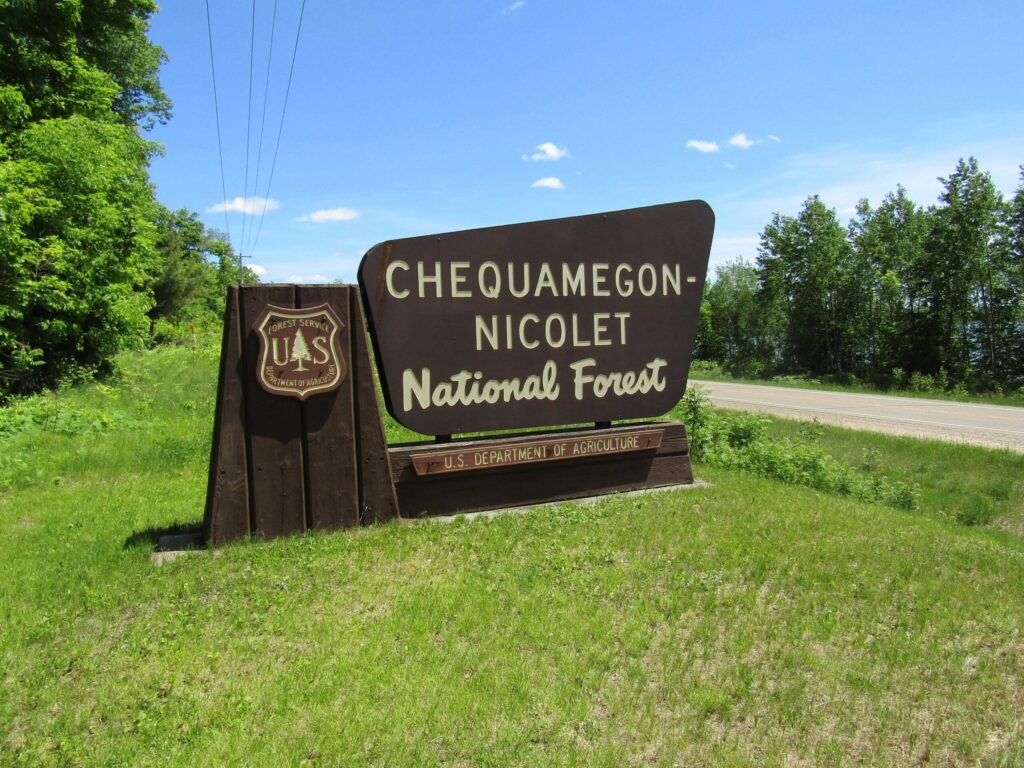
Implemented in 2001, the Roadless Area Conservation Rule safeguards approximately 69,000 acres within Wisconsin’s Chequamegon-Nicolet National Forest, among other regions. The rule was initially introduced to address the Forest Service’s road maintenance backlog, which then exceeded $8 billion, by halting new road construction in protected areas.
According to Steven Bekkerus, public affairs officer for the Chequamegon-Nicolet National Forest, revoking the rule could provide land managers with more adaptability. “Rescinding the rule allows managers to address local watershed, economic, and wildfire-risk conditions within the same planning framework as the rest of the National Forest System and allows response to changing conditions,” he explained in a statement to WPR.
Currently, the public has a chance to comment on the proposed changes and the accompanying draft environmental impact statement until September 21. Various environmental and conservation organizations have requested an extension of this period to ensure comprehensive public input.
Historical Context of the Roadless Rule
Mike Dombeck, a former Forest Service chief and current Wisconsin conservationist, played a pivotal role in the creation of the Roadless Rule. Reflecting on the decision, Dombeck said, “So I asked myself, as chief, ‘What would a private landowner do? What would a timber company do if they were faced with this tremendous liability, this tremendous cash flow issue?’ They’d probably stop building roads, or at least evaluate the system.”
The rule was designed to limit road construction, while still allowing for exceptions in emergencies, such as wildfire management. Dombeck emphasized its conservative nature, stating, “This is a very conservative policy… it keeps options open for future generations and it’s good conservation, ensuring that our few last remaining wild places in the United States will be kept that way.”
Industry Perspectives on the Potential Rule Change
The Wisconsin timber industry does not foresee significant impacts from the rule’s rescission. Henry Schienebeck, Executive Director of the Great Lakes Timber Professionals Association, noted that current timber demand does not justify increased logging in Roadless areas. “Right now we don’t see rescinding the roadless rule having an impact on our industry,” he mentioned, citing the need for timber markets as a prerequisite for increased activity.
However, Schienebeck acknowledged the different circumstances in western states facing severe wildfires, expressing support from that perspective. He also pointed out issues with road maintenance in non-Roadless areas, which affects recreational access.
Recreational Implications of the Rule Change
There is a mixed response from groups focused on outdoor recreation regarding the potential rescission. While some advocate for increased accessibility, others, like Aaron Hebeisen from Backcountry Hunters and Anglers, value the current remoteness. “By removing the possibility of more motorized access, it’s going to provide a better experience for the non-motorized user,” Hebeisen argued.
Hebeisen added that the Roadless areas are already accessible to those willing to hike, with certain trails available for off-highway vehicles and bikes. He considers the existing rule a balanced approach that maximizes opportunities for various users.