States Await Direction to Utilize Federal Funds for Rural Broadband Expansion
Rural broadband projects across the U.S. are poised for a significant boost, but state officials remain in limbo, awaiting federal guidance on deploying billions earmarked for these initiatives. The federal Broadband Equity Access and Deployment (BEAD) Program, a monumental investment through the Infrastructure Investment and Jobs Act, aims to bridge the digital divide with an allocation of about $42 billion in 2023.
Despite the historic nature of this funding, states face uncertainty due to delayed federal instructions on spending guidelines. Drew Garner of the Benton Institute of Broadband and Society expressed concern over missed deadlines, stating, “To date, they’ve missed a number of deadlines that they had previously given themselves to release that guidance.”
Funding and Federal Directions in Limbo
While the National Telecommunications and Information Administration (NTIA) announced a reduction in infrastructure deployment costs, resulting in about $21 billion in remaining funds, states are still unclear on how these savings can be utilized. Garner highlighted the potential use of funds for non-infrastructure needs like digital skills training, yet the timeline for concrete guidance remains vague.
Lawmakers and state officials, including the Western Governors’ Association, have urged federal authorities for clarity. Despite assurances from U.S. Commerce Secretary Howard Lutnick that plans would be released by mid-year, states like Nebraska and others remain in the dark as of late August.
A Unique Opportunity for Rural America
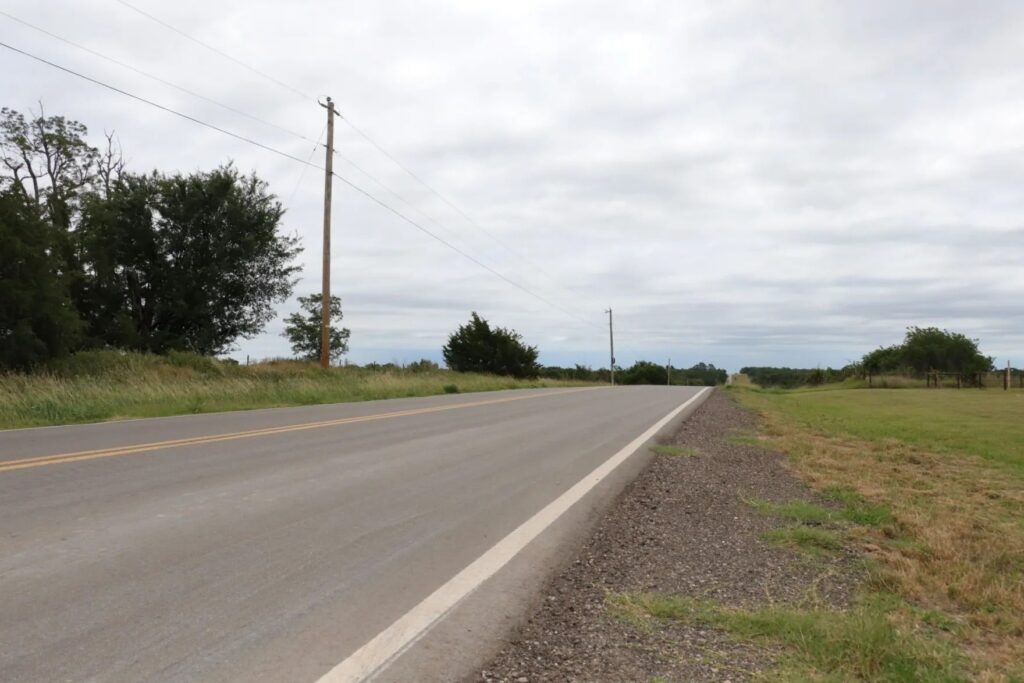
The BEAD initiative represents a once-in-a-lifetime chance to transform rural connectivity, where 1 in 5 rural residents and over a quarter of tribal lands lack access to broadband. Michigan, for instance, has allocated $1.5 billion for infrastructure, with over half a billion dollars awaiting usage.
Eric Frederick, Michigan’s chief connectivity officer, emphasized the broader scope of BEAD, noting, “That means addressing affordability, addressing devices, digital skills, AI literacy, you name it.” However, the absence of federal directions hampers planning efforts, including budgeting and staffing.
State-Level Progress Amidst Federal Delays
Despite the federal lag, states like Missouri are making strides, with agreements signed to service over 200,000 locations. BJ Tanksley, Missouri’s broadband director, anticipates project groundbreakings early next year, yet awaits guidance for deploying over $900 million in remaining funds.
Meanwhile, Minnesota’s broadband office, led by Bree Maki, is poised to leverage $652 million from BEAD. However, Maki points to potential complications from a Trump-era executive order on AI, which could affect fund eligibility.
Amid these challenges, the push to connect rural Americans remains unwavering. Maki reflects on the mission’s impact, stating, “Sometimes, I think, in all the noise we forget how meaningful that is.”
This article was produced in collaboration with Harvest Public Media, focusing on food systems, agriculture, and rural issues in the Midwest and Great Plains.