Amid the excitement of securing tickets for popular performances, buyers often overlook the risk of scams and inflated prices. The issue isn’t confined to major events; local venues in Wisconsin are battling the same problem.
Scammers are exploiting platforms such as Seat Geek and Vivid Seats to create fake ticket listings for local shows, significantly increasing prices through a practice known as speculative ticketing.
“We have a local dance company that puts on the Nutcracker, and even their show is ending up on the speculative market,” shared Dillon McArdle, director of Viterbo University’s Fine Arts Center in La Crosse.
This fraudulent activity means that individuals expecting to pay around $20 could find themselves spending over $100 due to misleading sales pages.
McArdle noted a troubling increase in such listings, affecting every event on Viterbo’s calendar this year, whereas only one or two shows were typically targeted each season. This has adversely impacted ticket sales, which have dropped by 20% as customers either purchase fake tickets or avoid buying altogether due to perceived high prices.
“We’re having a really hard time reaching new customers,” he explained. “They see our advertising, and then they go and look for the show. And they come across a ticket that is listed at $500 and then they just stop looking.”
Sarah Lewis, general manager at Big Top Chautauqua in Bayfield, also observed an increase in scams last year. “We had some real bad actors out there doing some crazy stuff,” Lewis mentioned. “We’ve had people call us and say, ‘I just wanted to make sure I have tickets, because I bought these tickets and they were $800.’ And we’re like, ‘Whoa. We never charge $800 for anything.’”
Many speculative tickets are invalid or oversold, leaving buyers without legitimate access to events. Lewis’s policy is inclusive: “My policy is to never turn anybody away,” she said, offering advice or alternative seating options to affected customers.
At Big Top, between four and ten tickets per show are flagged as fakes. This issue has led to increased processing fees and prominent website warnings against third-party sellers.
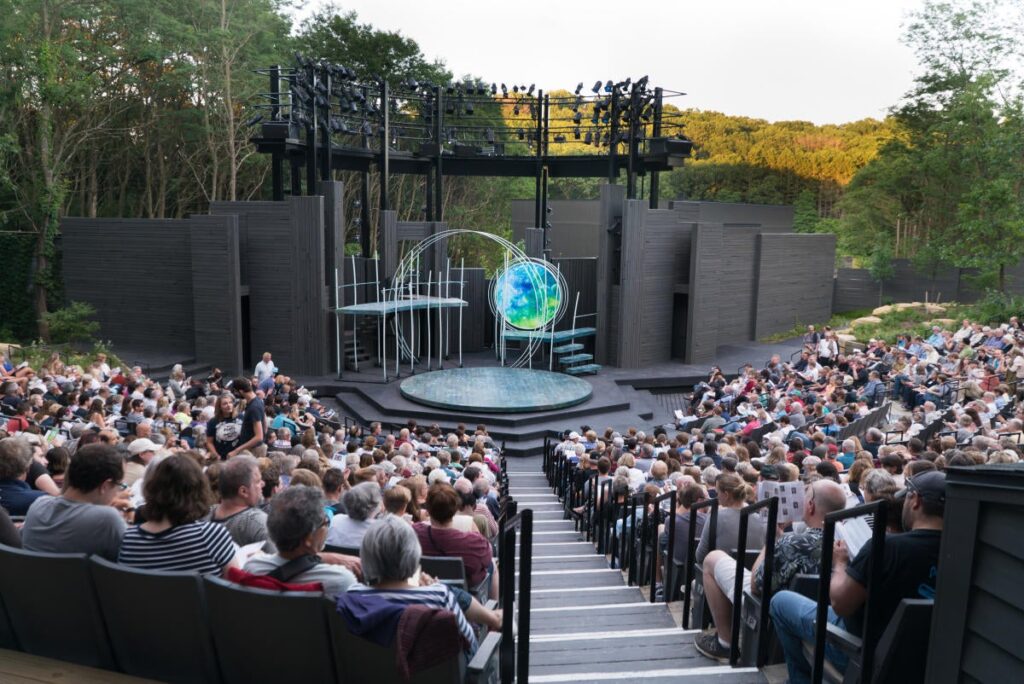
American Players Theatre in Spring Green experienced the phenomenon this summer for the first time. Sara Young, managing director, noted that ticket resale websites often mimic official venue sites, misleading customers. “When you typed in ‘American Players Theatre,’ those sponsored ads would be the first ones that would come up. But it wasn’t our website,” she explained.
Both Young and McArdle emphasized the limited options for venues to address these fraudulent activities online, which are exacerbated as more people opt for the convenience of digital purchases.
“We’re not open 24/7,” Young said, acknowledging the appeal of online purchasing. “If you’re like me, you might want to buy your tickets at 11 p.m. at night, when it’s convenient for you. So we completely understand that.
To avoid falling prey to speculative ticketing, Young advises ensuring the ability to select specific seats rather than a general area. “(Third-party sellers) don’t have control over what exact seat the person buys,” she said.
McArdle advises buyers to watch for inconsistencies in event details like time or location, often inserted by AI-driven speculative sites, and to be wary of pressure tactics like countdowns or limited availability warnings.
“Most venues, and we, the Fine Arts Center specifically, do not use any of those,” McArdle noted. “If you see a big pop-up that says, ‘Only two tickets remaining for this performance,’ that’s another huge red flag that you’re on a speculative site.”
In uncertain situations, Lewis recommends calling the box office directly. “People need to listen to their gut,” she advised. “If they’re on a website and they just think, ‘This looks weird,’ call any venue.”