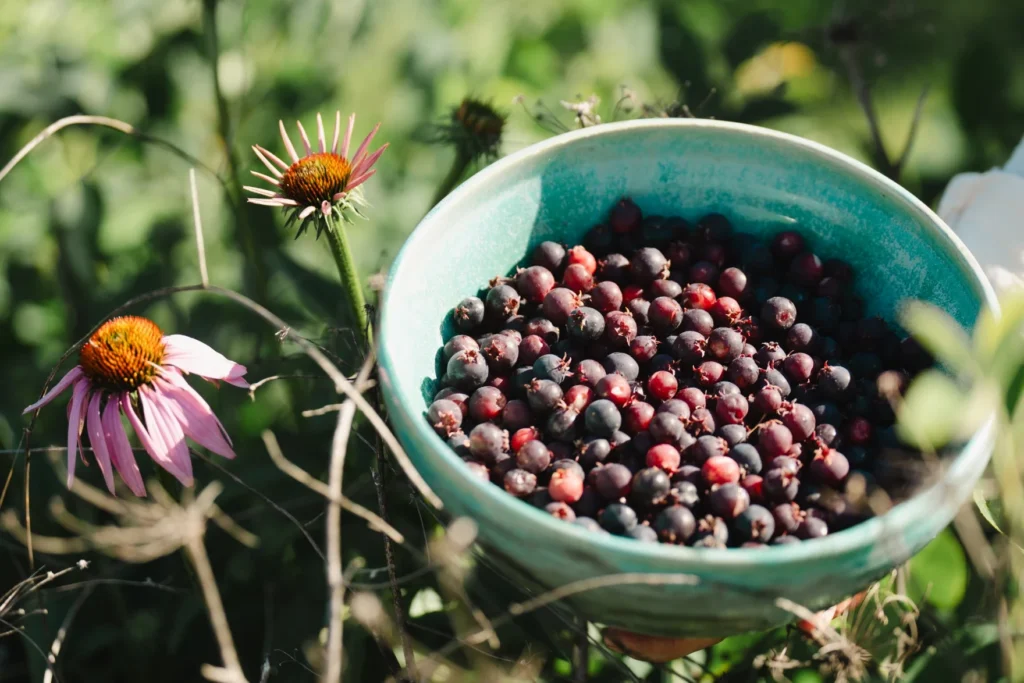
Tucked away on the bluffs of the Mississippi River in Alton, Illinois, lies a unique agricultural endeavor: a farm dedicated to cultivating serviceberries, a native fruit not commonly found on American farms. Crystal Moore-Stevens and her family have transformed their property into a lush orchard of these unusual trees.
“When we first moved to this property, we invested in dozens and dozens and dozens of serviceberry trees,” explained Moore-Stevens, co-owner of Flourish Farm and Folk School. “This is the first year that they’re really putting on lots and lots of fruit.”
This abundant harvest came at just the right time for Cindy Higgerson, who runs Larder and Cupboard, an artisanal jam company in St. Louis. Known for using unique, local ingredients, Higgerson’s usual foraging spots failed to yield serviceberries this year, leading her to source them from Moore-Stevens.
As Higgerson sorted through the berry haul, she sampled a few, describing them as having a distinctly mixed berry flavor with almond-like notes, reminiscent of cherries.
The Growing Interest in Serviceberries
Serviceberries, also known as juneberries, shadberries, or saskatoons, are native to North America. While commercially harvested in Canada, the fruit is relatively obscure in the U.S. market, despite its potential benefits for sustainable agriculture and regional food systems.
Botanist and author Robin Wall Kimmerer has contributed to the renewed interest in these berries through her book, The Serviceberry. Additionally, organizations like the Savanna Institute are working on promoting their cultivation.
Bill Davison from the Savanna Institute emphasized the berry’s versatility and nutritional value, stating, “It’s a native shrub, it’s highly nutritious, it tastes great. It can support regional food systems and diversified farming.”
Introducing Serviceberries to the Market
While Canada has established a market for serviceberries, the U.S. agricultural system primarily supports major crops like corn and soybeans, making it challenging for specialty crops to gain a foothold. Madeline Wimmer, a fruit production educator at the University of Minnesota Extension, noted that a few Minnesota farmers are experimenting with serviceberries, but consumer awareness remains low.
Wimmer advocates for incorporating native berries into everyday diets as a sustainable alternative to imported fruits like acai, highlighting the environmental benefits and the seasonal excitement they bring.
Urban Foraging and Community Engagement
In urban areas like Chicago, serviceberries are often foraged along trails such as the Bloomingdale Trail. Ben Helphand, co-founder of the Friends of the Bloomingdale Trail, chose serviceberries for their regional significance and educational potential.
Local educator Bonnie Tawse has helped popularize the berries, even publishing a cookbook, Berries for Bloomingdale: The Serviceberry Cookbook, featuring recipes developed by the trail’s foraging community.

The Future of Serviceberry Products
In North Dakota, Thunderbird Ranch Gourmet Foods and Dakota Seasonings utilize serviceberries to create employment opportunities for individuals with developmental disabilities. They maintain a significant stockpile of berries to mitigate crop failures due to spring frosts.
Back in St. Louis, Higgerson’s serviceberry jam quickly became a hit at the Tower Grove Farmers’ Market. Despite many customers being unfamiliar with the berry, her jam sold out in just two hours, indicating a growing curiosity and potential market for this native fruit.