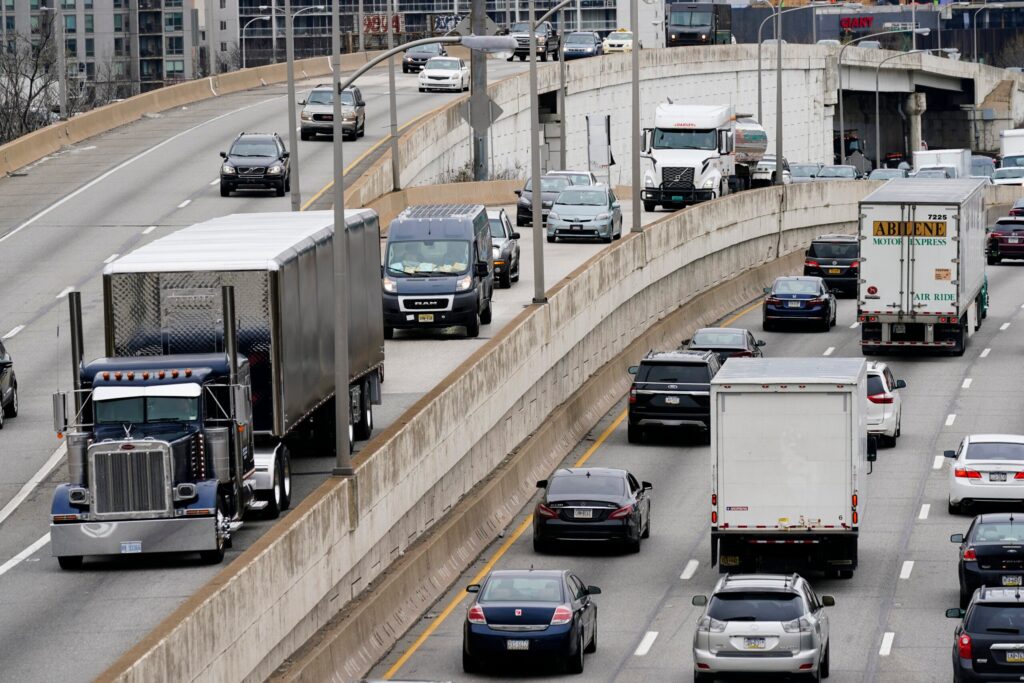
As geopolitical tensions mount, businesses and consumers alike are bracing for the ripple effects. In Wisconsin, the trucking industry is already feeling the impact of higher fuel prices, which are expected to trickle down to consumer goods.
Fuel Prices Surge Amid Global Unrest
The cost of a regular gallon of gas in Wisconsin jumped to $3.15 on Monday, marking an increase of nearly 40 cents from the prior week, according to AAA data. This marks a 20-cent rise compared to the same period last year, as reported by recent analyses.
Although crude oil prices saw a decline early this week, market analysts caution that ongoing fluctuations are likely, largely due to varying signals from the Trump administration concerning the Iran conflict timeline. More on this can be heard on the Wisconsin Today program.
Diesel Costs Spike, Impacting Trucking Operations
Diesel prices have not been spared from the surge. In Wisconsin, they rose more than 50 cents over the last week, jumping from $3.76 to $4.30 per gallon. The U.S. Energy Information Administration’s latest figures indicate that the average diesel price in the broader Midwest region has surged by a full dollar.
Pam Polyak, owner of Polyak Trucking in Waukesha County, expressed concerns over this rapid increase. “A one-dollar increase in a week is a lot to absorb,” she noted. “It’s a drastic spike just in this week’s time that will easily take 30 to 45 days to recover from.” Polyak shared these insights during a segment on Wisconsin Today, discussing the implications for the trucking sector.
Rob Ferrett: With diesel prices spiking by $0.50 per gallon, what challenges does this pose for your business and the trucking industry at large?
Pam Polyak: It’s an immediate financial challenge. We need to purchase fuel upfront to operate, though we don’t get paid for deliveries for 30 days. The U.S. Energy Administration reported that the Midwest average for diesel is now $4.80, up a dollar from last week. This means increased costs now, with a delay in revenue.
RF: Some might not see the relevance as they don’t use diesel, but how do these costs affect consumers?
PP: The effects are unavoidable. Increased costs for transportation mean higher prices for goods. If customers pay $20 to $30 more per load, that cost eventually reaches the consumer. Additionally, disruptions in the Middle East are causing shipping delays, reminiscent of post-COVID scenarios where goods spent extended periods at sea. This could mean significant delays for items like appliances.
RF: How soon might trucking companies notice fewer orders due to these disruptions?
PP: We might see reduced orders within two to three weeks. While Wisconsin might not feel the immediate impact, coastal regions with major ports will experience it first. Chicago, our nearest hub, relies on trains, not direct sea shipments, so the Midwest could see delays later if current conditions persist.