Record Diesel Prices Impact Wisconsin’s Economy as Global Conflicts Persist
As global tensions continue to affect the energy markets, diesel prices in Wisconsin have soared to unprecedented levels, posing significant challenges for the state’s economy. The ongoing conflict in Iran is a major factor contributing to the disruption in fuel supply chains worldwide.
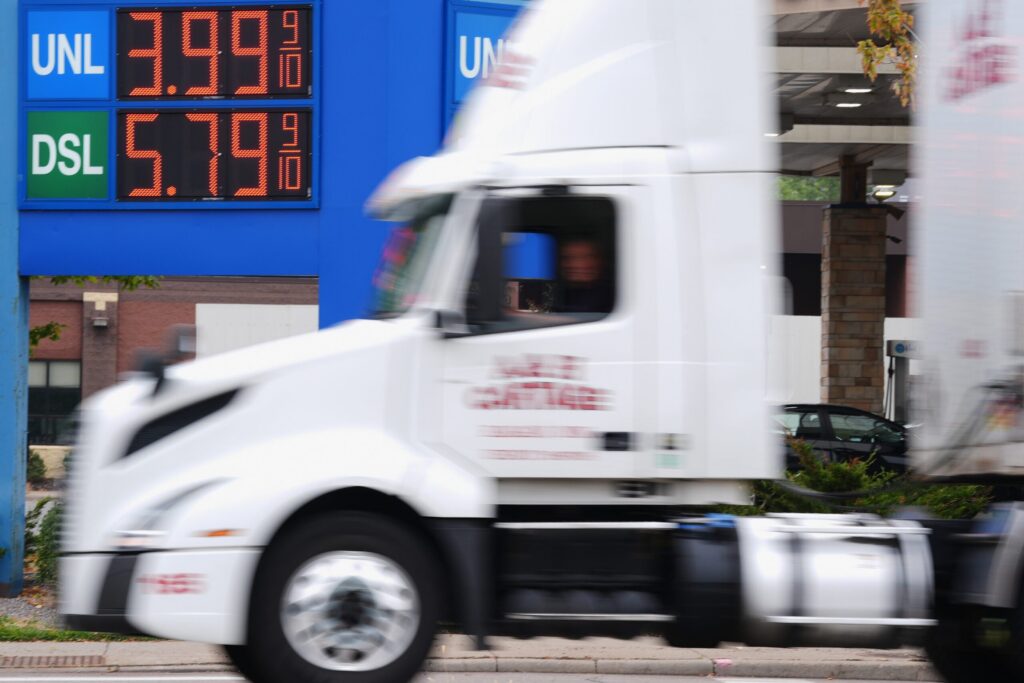
On Wednesday, the average cost of diesel in Wisconsin reached $6.13 per gallon, a stark increase from last year’s average of $3.45 per gallon. This data, reported by the American Automobile Association, underscores the financial strain felt by both businesses and consumers.
Mike Semmann, who leads the Wisconsin Grocers Association, highlighted the significant impact of diesel prices on various facets of the grocery supply chain. “Diesel is to the economy what electricity is to a home,” he noted. The rising costs are not only a concern for diesel itself but also for how businesses in Wisconsin strive to mitigate these expenses to avoid burdening families.
Semmann further explained that diesel prices influence every segment of the supply chain, with grocery stores closely monitoring these costs. “Diesel helps move milk to and from farms, ingredients to processors, products to stores, and goods to consumers,” he stated.
In a state where approximately 85 percent of goods are trucked, Dan Johnson, President of the Wisconsin Motor Carriers Association, emphasized that around 30 percent of a trucking company’s expenses are fuel-related. High diesel costs compel trucking companies to adjust their pricing strategies accordingly. “The trucks need to be a part of that supply chain to keep all of those products moving from the producer to the market,” Johnson explained, adding that while companies have measures to manage these surges, their capacity is limited.
Strategies employed by trucking companies include negotiating with fuel suppliers and incorporating surcharges into customer pricing. Despite potential cost increases for grocers, Semmann assured that stores are innovating to maintain consumer prices. “Grocers specifically are trying to make sure that they’re adapting and looking for efficiencies,” he said, acknowledging the savvy nature of Wisconsin consumers in seeking the best deals.
Johnson also highlighted the resilience of the trucking industry in navigating fluctuating fuel prices, stating that longstanding relationships between trucking companies and their clients facilitate pricing agreements. “They understand that the price of fuel is going to fluctuate from time to time,” he pointed out, alluding to the unpredictability of global events.
This is not the first time the industry has grappled with such challenges. The conflict in Ukraine in 2022 previously pushed prices to record highs. Semmann attributed the current surge primarily to the Middle Eastern conflict. Johnson expressed optimism for a resolution, stating, “It’s not unfamiliar territory to us, but obviously we’d like to be out of it sooner rather than later. The trucking industry — they’re very resilient. They can weather quite a bit, and they have in the past.”