Transmission Line Debate Unites Unexpected Political Allies in Wisconsin
Plans to develop new high-voltage transmission lines in southwestern Wisconsin have sparked a rare bipartisan consensus among state politicians, generating significant debate this election period. Both gubernatorial candidates, Democrat David Crowley and Republican Tom Tiffany, have expressed opposition to the projects, which threaten the Driftless Area.
In a surprising alliance, Rep. Derrick Van Orden, R-Prairie du Chien, and Mark Pocan, D-Town of Vermont, have united in their calls for additional time to assess the projects and listen to community feedback.
State legislators from potentially impacted regions, including Sens. Howard Marklein, R-Spring Green, Sarah Keyeski, D-Lodi, and Reps. Travis Tranel, R-Cuba City, Tony Kurtz, R-Wonewoc, and Maureen McCarville, D-DeForest, have voiced similar concerns. They argue that residents feel caught off guard by these developments, which could significantly impact their communities.
The proposed 765-kV transmission projects, part of the Midcontinent Independent System Operator’s (MISO) broader plan to establish an electrical superhighway, involve installing large metal towers and expanding existing lines. The MariBell Transmission Project, co-developed by Dairyland Power Cooperative, would utilize an existing utility corridor near the Mississippi River in western Wisconsin.
The second project, named the Bell Center–Columbia–Sugar Creek–Illinois/Wisconsin State Line Project (BECI), plans to create a 190-mile path across nine counties in the southwest. This initiative is managed by Midcontinent Grid Solutions.
Project proponents claim these lines will enhance energy reliability and accessibility (source). However, local opponents argue that their implementation could damage ecosystems and increase costs for consumers (source).
In a recent statement, Crowley emphasized the need for a sustainable energy future that does not compromise local communities: “Wisconsin needs a reliable, affordable, and clean energy future, but that future cannot come at the expense of our local communities or the Driftless Region as a whole,” he stated.
Similarly, Rep. Tiffany expressed his disapproval, stating, “I do not support carving new transmission corridors through Wisconsin farmland when reasonable alternatives exist.”
Van Orden and several legislators signed a letter to Gov. Tony Evers, calling for a halt to the projects due to insufficient consideration of their agricultural and environmental impact. Evers pointed out that decisions fall under the jurisdiction of the Public Service Commission (PSC), limiting his direct influence.
Rebecca Cooke, Van Orden’s opponent in the congressional race, also supports pausing the projects, citing concerns about their impact on local land and health.
In a letter to Midcontinent Grid Solutions, Pocan advocated for a more comprehensive public engagement process. Lawmakers emphasized that their constituents feel overwhelmed by the project’s scale and speed.
Both projects await approval from the PSC, with filings expected soon. Midcontinent Grid Solutions, through spokesperson Brian Radday, emphasized the importance of public input in the planning stages, noting that no final routes have been determined.
Community Activism and Political Dynamics
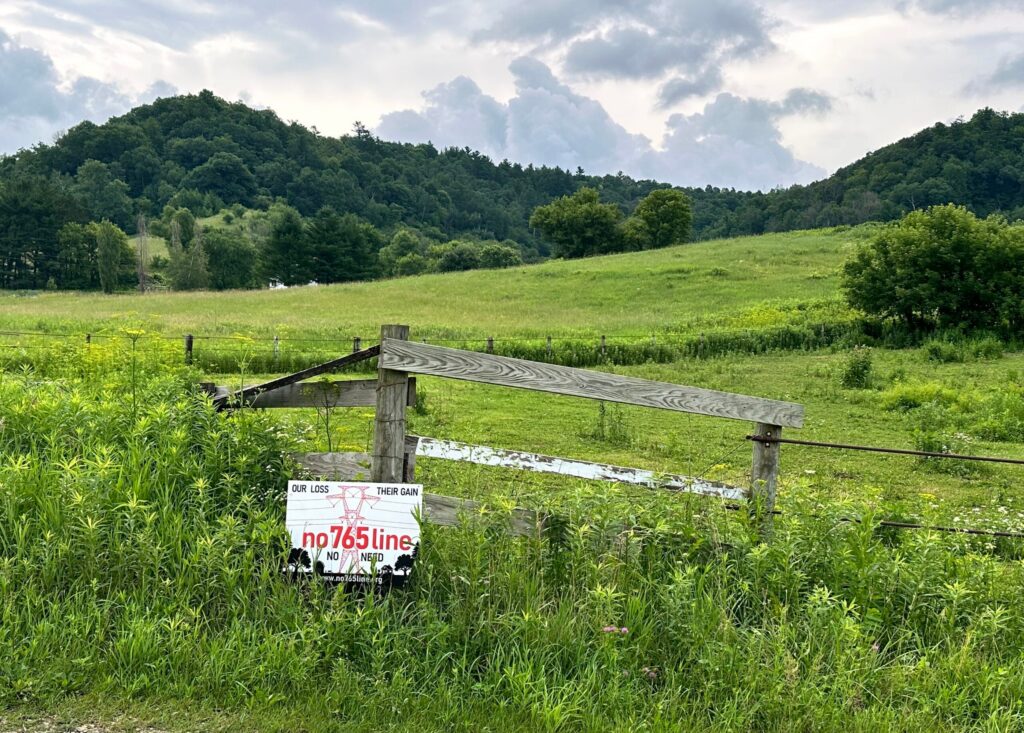
Community activism against these transmission projects has intensified in recent months. In May, landowners filed a lawsuit against the MariBell project, and numerous local governments have adopted resolutions opposing or seeking more information about the projects.
Sanya Carley of the University of Pennsylvania’s Kleinman Center for Energy Policy notes a growing resistance to transmission lines, as communities feel excluded from decision-making processes affecting their land and finances.
While project developers argue that data centers are not driving these initiatives, the political prominence of such energy-hungry developments has fueled debate. John Farrell from the Institute for Local Self-Reliance suggests that data centers’ visibility has reshaped partisan politics around energy infrastructure, prompting bipartisan concern.