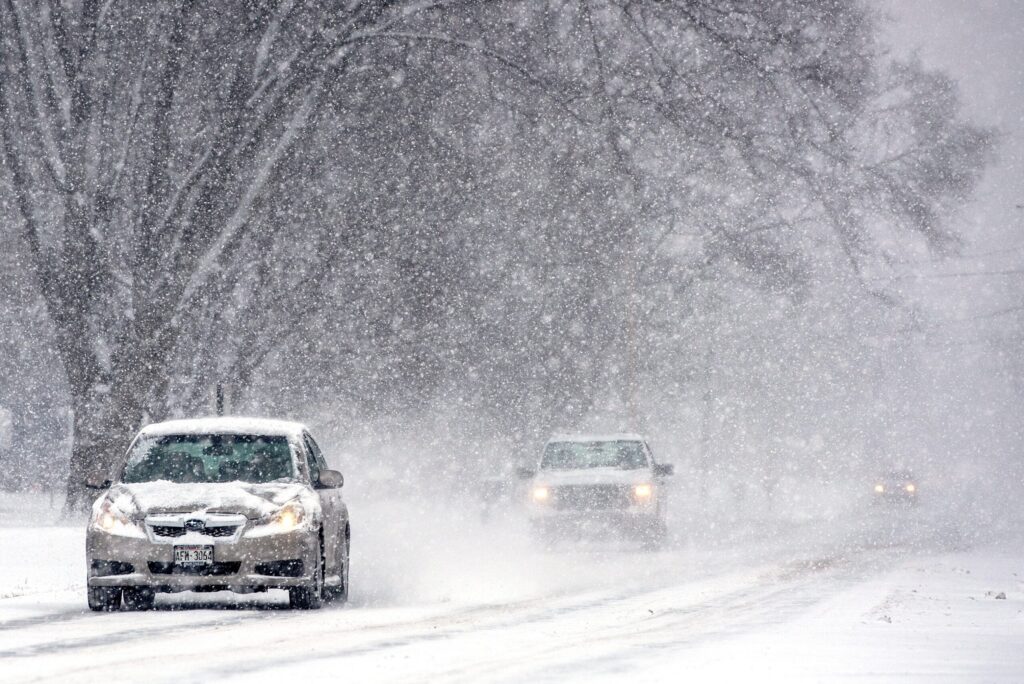
As Wisconsin braces for frigid temperatures and biting windchills, residents are being urged to prepare their vehicles for the cold conditions. The state is set to experience subzero temperatures and dangerous windchills, prompting an extreme cold watch for much of the central and southeastern regions starting Thursday night.
Vehicle Preparations for Extreme Cold
Molly Hart, spokesperson for the auto club group AAA, emphasized the importance of ensuring vehicles are ready for the harsh weather. Hart advised checking tire pressure, ensuring the car battery is sufficiently charged, and making sure antifreeze and washer fluids are in good condition before hitting the road.
Additionally, Hart recommended that drivers equip their vehicles with emergency supplies, including extra blankets, food, and water, in case they become stranded. “You want to have that emergency kit — we cannot stress it enough,” she stated. “If it is safe to stay inside your vehicle, absolutely stay inside.”
Anticipating Severe Windchills
The cold snap is expected to bring severe temperatures across the state. According to Kurt Kotenberg, a warning coordination meteorologist for the National Weather Service in Green Bay, Green Bay and Madison could experience temperatures as low as -15 degrees. Windchills will exacerbate the chill, with Rhinelander’s forecasted -25 degrees feeling closer to -48 degrees.
“This is some very, very cold weather that we need to be prepared to take seriously here, because it’s going to hit us pretty hard Friday morning,” Kotenberg warned.
Safety on the Road
In the event of roadside emergencies, Hart advised that vehicles should be moved to a safe location with hazard lights activated to help tow trucks locate them. To conserve fuel while staying warm, she suggested running the car’s engine intermittently rather than continuously.
A Historical Cold Front
The arctic blast marks a significant deviation from typical Wisconsin winter temperatures. Kotenberg noted that Friday’s expected temperatures could make it the third-coldest January 23 on record since 1886, with temperatures approximately 30 degrees below the average for this time of year.
“Yes it’s Wisconsin, yes it’s January, yes it gets cold, we know all of that,” he explained, “But this is much colder than what we’re used to dealing with. It’s a big difference in these temperatures coming than what we typically see here.”
Despite the severe weather, relief is in sight as Kotenberg anticipates a return to more typical temperatures by Sunday, with the state’s averages climbing back into the high single digits.