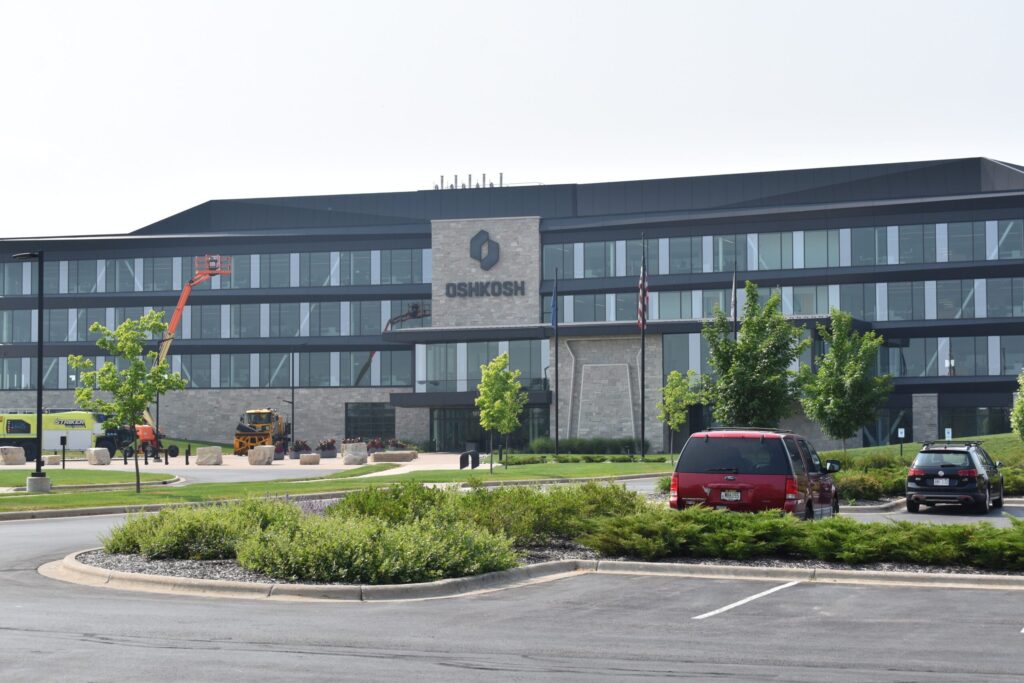
Oshkosh Defense, a prominent military vehicle manufacturer, is set to reduce its workforce by approximately 160 employees at the start of the new year. This decision, announced on Wednesday, is attributed to “overstaffing in certain production areas” and is scheduled to take effect on January 5.
In a statement, the Oshkosh Corp. subsidiary expressed that the layoffs were a result of thorough deliberation of all possible alternatives. The company assured that affected employees would receive necessary information, resources, and transition support to help navigate through this challenging period.
Despite the layoffs, Oshkosh Defense has reiterated its commitment to backing its workforce. However, the news has been met with dissatisfaction from United Auto Workers Local 578, which represents the company’s employees. Bob Lynk, President of UAW Local 578, voiced the union’s disappointment in a statement posted on social media, referring to the layoffs as affecting “our union family.”
Lynk urged the community to support the affected workers, especially during the approaching holiday season, stating, “We ask the workforce and the community keep our people in their hearts.” The layoffs come in the wake of Oshkosh Defense losing a significant military contract in 2023, a deal worth over $9 billion, for the production of Joint Light Tactical Vehicles (JLTVs) to an Indiana-based competitor. Oshkosh Corp. had previously hailed the JLTV as “the vehicle of the future.”
Following the contract loss, Lynk criticized Oshkosh for focusing solely on military production and urged the company to bring “outsourced work” back to Oshkosh. This comment references the company’s 2021 decision to move production of new trucks for the United States Postal Service to South Carolina.
“You could stop this from happening to an area that relies heavily on you as an employer,” Lynk emphasized. He highlighted the community’s past support for the company, which included tax incentives and backing for corporate projects, and urged the company not to overlook its local workforce.
“Stop forgetting about your workers here at home,” Lynk concluded. “Our hearts ache for those losing their jobs through no fault of their own.”