NLRB Certifies Union Vote for Nurses at SSM Health St. Mary’s Hospital
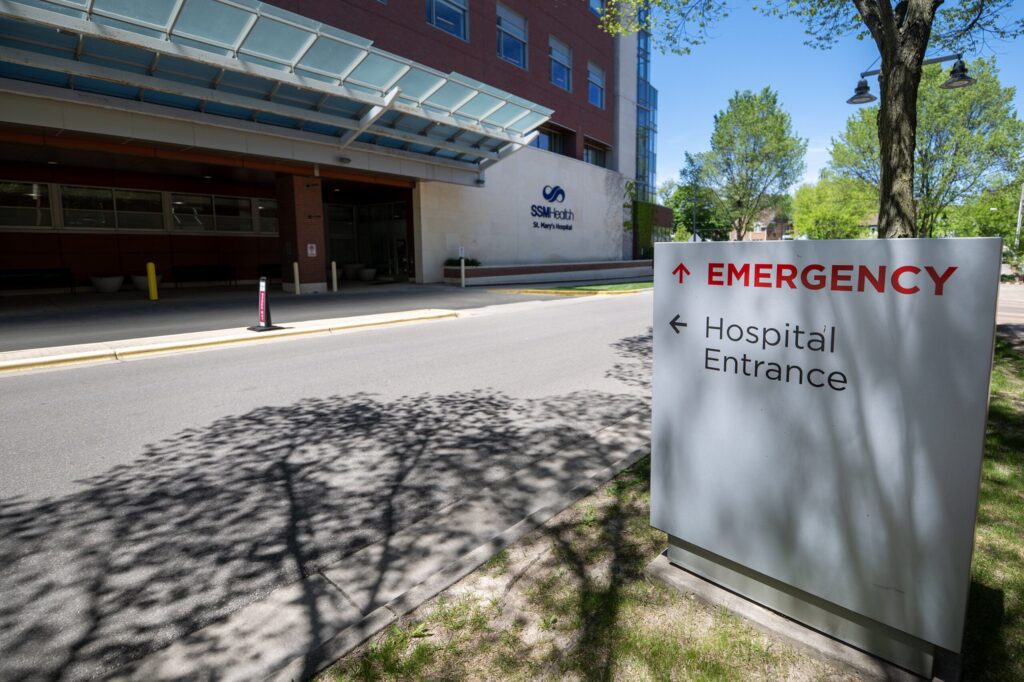
The National Labor Relations Board (NLRB) has officially ratified the union election result for nurses at Madison’s SSM Health St. Mary’s Hospital, marking a pivotal moment in their push for better working conditions.
Back in June, a significant majority of the nurses, with a vote tally of 574 in favor and 63 against, opted to unionize under the Service Employees International Union of Wisconsin. Following the vote, objections were raised by SSM Health regarding the election process, prompting an NLRB review.
In a recent ruling, the NLRB dismissed these objections, stating that the evidence provided by SSM Health was “insufficient to sustain” the claims, thereby overruling them completely.
SSM Health’s statement reflects their acknowledgment of the process: “SSM Health respects the federal labor law process. We have received the National Labor Relations Board staff decision and are reviewing it.”
Despite this certification, questions remain on the status of charge nurses within the union. While 83 charge nurses participated in the election, their eligibility remains contested as SSM Health argues they hold supervisory roles. The nurses are urging the health system to abandon this challenge and include the charge nurses in the union.
As the next steps unfold, nurse Zach Zahalka from St. Mary’s emphasized the collective commitment: “The Labor Board has spoken, our community has spoken, elected leaders have spoken, St. Mary’s nurses have spoken. We have resoundingly declared that it’s time for SSM to respect our union vote so we can start working on solutions for our patients.”
The initiative to unionize primarily stems from concerns over understaffing, burnout, and compensation issues. The nurses are currently gathering input through surveys to shape their collective bargaining strategy.
Zahalka further urged SSM Health to engage constructively: “SSM needs to stop trying to undermine our union and instead focus all their resources on engaging with us productively so that together we can create real solutions for better staffing and retention to provide the best care.”