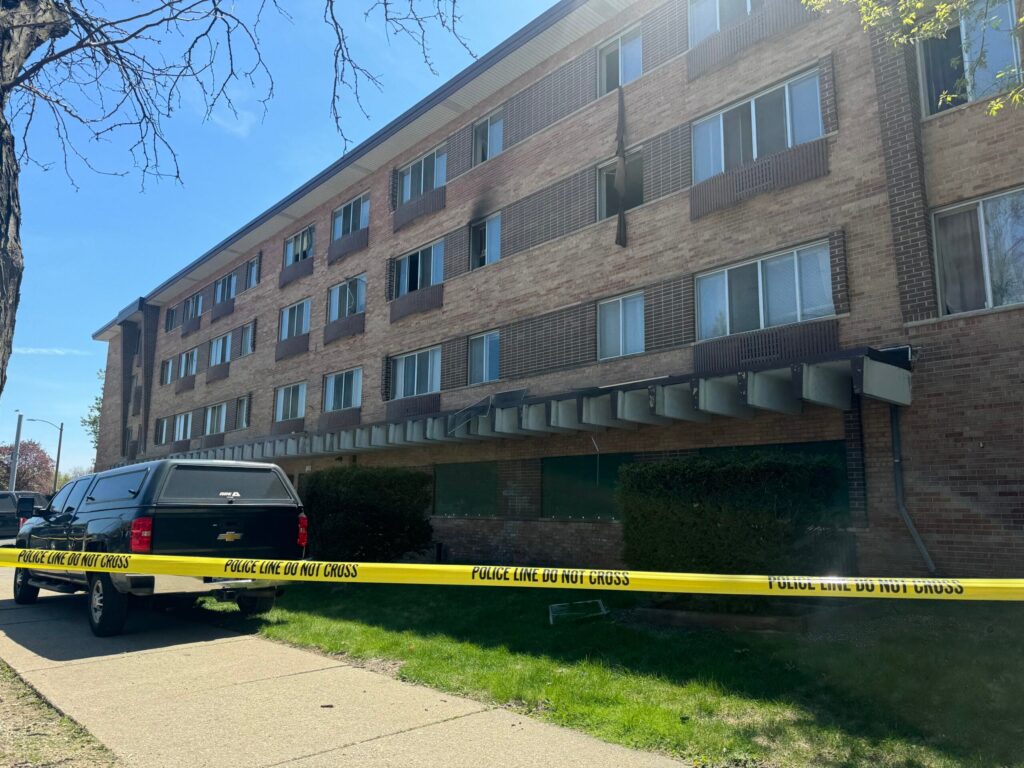
Wisconsin is taking significant steps toward enhancing fire safety in apartment buildings following a tragic incident in Milwaukee. A recent fire in May resulted in the loss of five lives and displaced approximately 100 residents, prompting lawmakers to propose new measures to prevent such catastrophes in the future.
The legislative push includes a bill that offers financial assistance to landlords for the installation of fire sprinkler systems. This initiative is part of a broader effort to empower local municipalities to enforce stricter fire safety regulations, regardless of a building’s age.
The Milwaukee tragedy took place in a building erected in 1968, a time when sprinkler systems were not mandated. Currently, Wisconsin law requires these systems for buildings over 60 feet tall constructed after 1974. State Sen. LaTonya Johnson, D-Milwaukee, emphasized the widespread issue of fire safety at a press conference, stating, “This tragedy was not an isolated incident. Fires in multi-family buildings have taken lives and destroyed homes all across the state.”
The proposed grant program, managed by the state Department of Administration, would allocate $10 million to assist landlords in installing sprinkler systems. Johnson highlighted the potential financial burden on landlords, noting, “We want to make sure that the landlords don’t have to pass that cost off to tenants.”
According to data from the National Fire Protection Association, sprinklers were effective in controlling fires in 97% of cases from 2017 to 2021. Despite the clear benefits, the extent of buildings lacking these systems remains unclear. A third bill seeks to mandate a state audit to determine the number of unsprinklered apartment buildings.
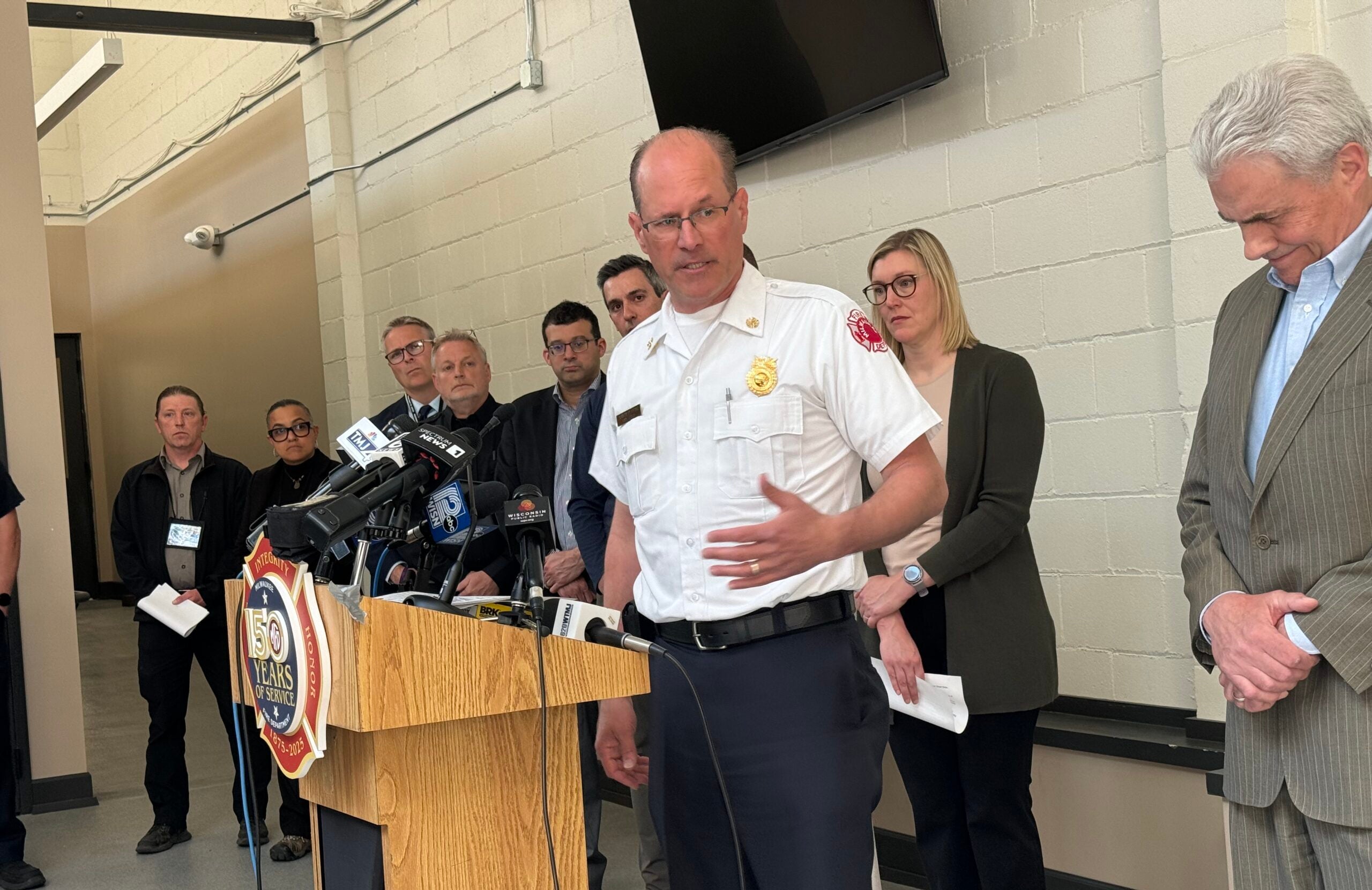
Milwaukee Fire Chief Aaron Lipski strongly supports the legislative efforts, asserting that fire sprinklers could prevent fatalities. “We understand that it (installing sprinklers) is expensive, but we also value life more than the almighty dollar, and I will never stop my push for sprinklers as long as I’m in this position and beyond,” Lipski declared.
The proposed grants would be distributed on a “first-come, first-served basis” and cover up to 50% of the installation costs, as per a Legislative Reference Bureau analysis.
Local municipalities would have greater power under the bill
Currently, state law generally prohibits local municipalities from imposing building code standards. However, the new bill seeks to change this by allowing local governments to implement fire safety regulations in residential buildings. “It has been unfortunate and unfair that our state laws have prevented local municipalities, particularly Milwaukee, from having higher safety protocols needed for the … old housing that we have,” expressed State Rep. Margaret Arney, D-Wauwatosa.
Johnson is hopeful for bipartisan support, although opposition exists. Assembly Speaker Robin Vos, R-Rochester, argues against mandatory sprinklers in older buildings, suggesting it could exacerbate the housing crisis by increasing costs for tenants. “These added costs will be passed to the consumer, not the landlord. Implementing this mandate sounds great on the surface but instead it will make it even harder to own a home or rent an apartment,” Vos wrote.