In a significant policy shift, Wisconsin’s dairy farmers might find it easier to secure labor through new changes to the H-2A visa program announced by the Trump administration. This update could transform the hiring landscape for those in need of seasonal agricultural workers.
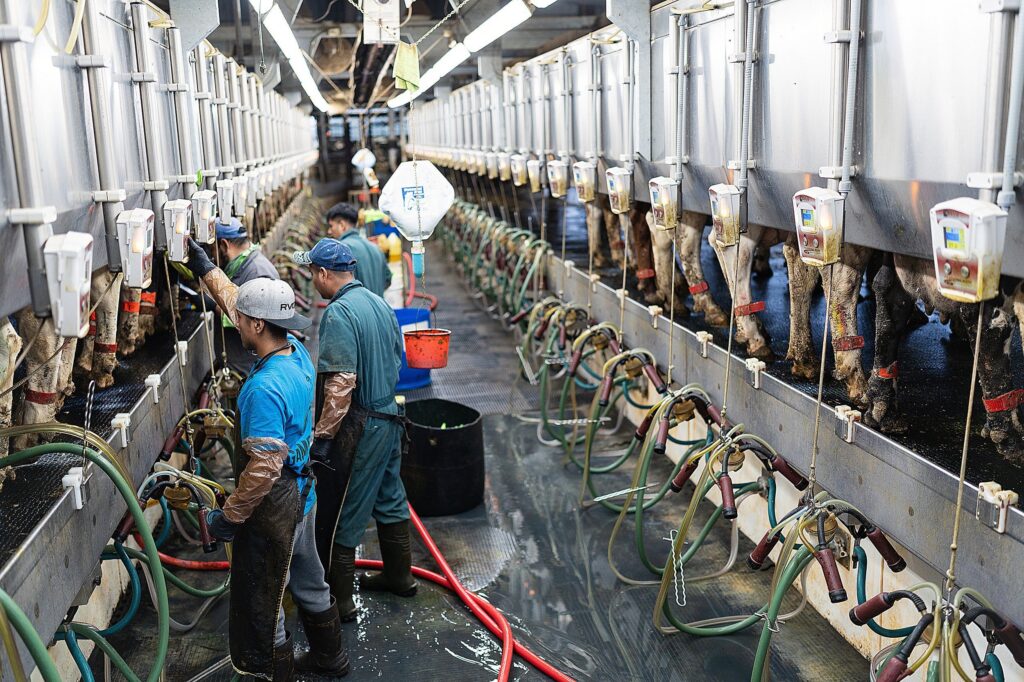
The U.S. Departments of Labor and Homeland Security have extended the H-2A program, which traditionally provides temporary visas for seasonal agricultural workers, to include more roles in dairy farming. This change comes after years of lobbying by the dairy industry to adjust program rules that previously did not cater to year-round farm roles such as milking, and also excluded many livestock and mushroom farms.
John Hollay, President of the National Council of Agricultural Employers, expressed optimism about the policy update. “This is a welcomed policy change for our dairy members, and we are hopeful it is just the beginning of continued H-2A program expansion,” he said in a press release.
While the specifics of which dairy roles now qualify for H-2A visas remain sparse, the USDA has not indicated any changes to the program’s one-year visa duration or the maximum three years with extensions.
Wisconsin’s agriculture sector is increasingly dependent on the H-2A program, with the number of hires through this visa increasing six-fold over the past decade. The program’s significance has been amplified by the administration’s strict immigration policies, which emphasize the need for legally documented workers.
Data shows that around 14% of Wisconsin farms that have been approved for visas this year include dairy operations. Many farms, like those run by Amy Woldt in Calumet County, employ H-2A workers not for milking, but as heavy equipment operators. “We don’t really need them for working with the cattle,” Woldt explained, highlighting the necessity for skilled labor in machinery operation.
Fellow farmer Kurt Schneider, also from Calumet County, hires South African workers for crop harvesting, valuing their English proficiency for ease of communication. As South Africans form the second-largest group of H-2A workers after Mexicans, Schneider expressed interest in hiring for milking roles, potentially favoring Mexican workers to maintain cultural continuity. “That’s our culture,” he stated. “We don’t want to change our culture.”
Schneider pointed out the benefits of a potentially more stable workforce through H-2A hires, as the pool of undocumented workers dwindles amid tightened immigration enforcement. “Somebody’s paying 50 cents an hour more and they jump ship,” he lamented, emphasizing the challenges of retaining staff against competitive wage offers.
With last year’s cut in the program’s minimum wage, designated “less-skilled” workers in Wisconsin now earn at least $12 per hour, a significant reduction from the previous year’s rate. Yet, some farmers, like Woldt, opt to maintain wages to retain their team, hoping to avoid the competitive scramble for new hires.
Despite potential benefits, there are logistical challenges. Schneider noted delays in processing at the American consulate in South Africa, which affected his operations. The H-2A process involves high upfront costs, including airfare and lodging for workers, which can escalate with delays.
Woldt faced similar delays but currently has no plans to hire dairy workers through the program, stating, “We’re good in that department.”
National agricultural organizations have recognized the need for improved resources and regulatory frameworks to handle increased program demand efficiently. Hollay cautioned that success depends on federal agencies’ capacities to manage the volume.
Wisconsin Farmers Union President Darin Von Ruden highlighted that the policy may not favor smaller farms due to cost barriers, noting, “I don’t think it’s going to help the small to medium-sized farmers very much.”
Additionally, U.S. Rep. Derrick Van Orden proposed an alternative legislative solution to the H-2A program, allowing undocumented agricultural workers to self-deport and re-enter legally, though the bill has not progressed.
The administration has also put a halt on Biden-era rules intended for safeguarding H-2A workers, but Wisconsin’s laws still provide some protections, such as the right to invite legal aid into employer-provided housing.
Wisconsin Watch is a nonprofit, nonpartisan newsroom. Subscribe to our newsletters for original stories and our Friday news roundup.