Milwaukee Sees Significant Drop in Homicide Rate
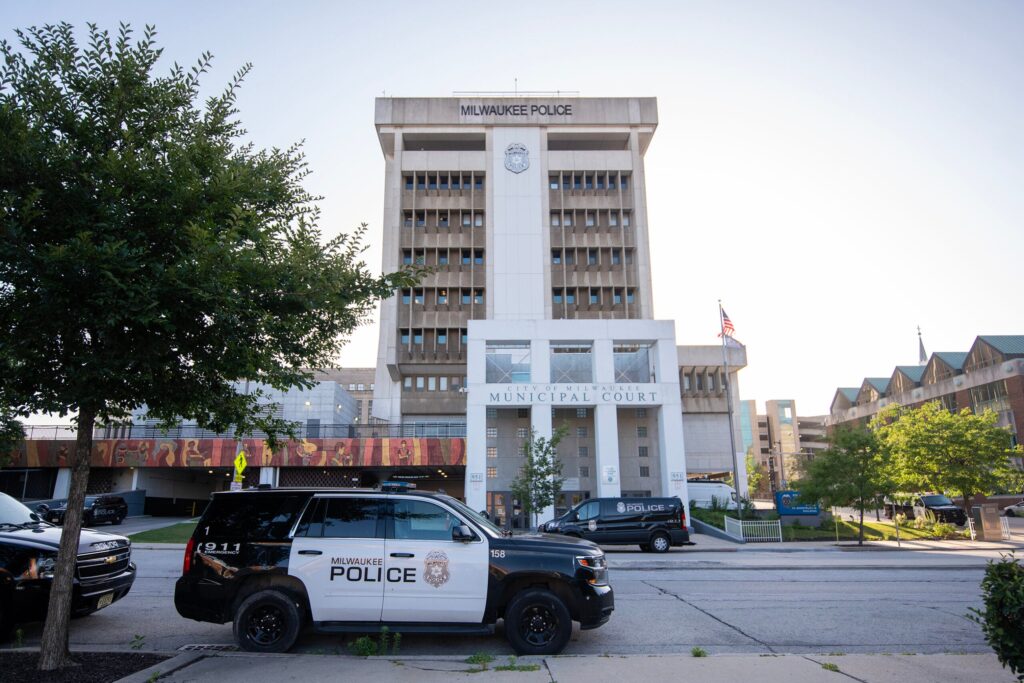
In a promising development, Milwaukee has reported a significant decrease in its murder rate this year. According to the Milwaukee Police Department, homicides have decreased by 30 percent in the first half of 2026 compared to the same period in the previous year. This decline marks a reversal from 2025, when the city experienced a 7 percent increase in homicides, contrary to the national trend.
From January to the end of June, Milwaukee recorded 49 homicides, a decrease from 70 during the same time in 2025 and 62 in 2024. During a recent press conference, Mayor Cavalier Johnson emphasized the collective effort required for public safety, stating, “No organization, no unit of government, no division of government can do it alone.”
“It takes everybody, and I think that folks here in Milwaukee are listening to that message, they’re heeding that message, and they’re being our partners in order to help to produce a safer city,” Johnson added.
Overall, Part 1 crimes, which include homicides, robberies, aggravated assaults, thefts, and burglaries, saw a 7 percent decrease in the first half of 2026. Additionally, nonfatal shootings have dropped by 28 percent compared to the previous year, according to crime statistics.
The mayor attributed the decline to “good police work,” community partnerships, and crime prevention initiatives. “Community groups, youth-serving agencies, churches, all of them are part of the process,” he said.
On a national scale, the murder rate is also decreasing. The Crime Index from AH Datalytics indicates an 18.7 percent drop in murders from January through April of 2026 compared to the same period last year. One crime analyst predicted that 2026 might record the lowest murder rate in U.S. history.
Karin Tyler, director of the city’s Department of Community Wellness and Safety, reported that during the second quarter, her teams successfully mediated 62 conflicts before they escalated. In some instances, the department intervenes with families after a homicide to prevent retaliatory actions. “We try to get to the family before they decide to retaliate against the other family,” Tyler explained.
Tyler also cited peace walks and the distribution of security cameras and gun storage devices as contributing factors to the reduction in violent crime. “Every shooting prevented, every conflict peacefully resolved, every family connected to support, and every young person given a safe place to belong is evidence that this work matters,” she said.
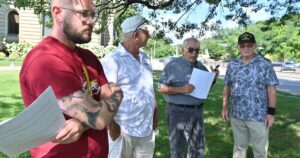
Community activist Tracey Dent echoed the sentiment of collaboration, stating, “It’s not just the police department, not just safety and wellness, or any activists, it’s all of us working together that’s making a difference, and community members.” However, he acknowledged that challenges remain, particularly in areas where residents frequently hear gunfire.
Milwaukee Police Chief Jeffrey Norman highlighted that many shootings result from “petty disagreements.” He urged the community to engage in dialogue to manage conflicts better, saying, “I am begging you to have conversations with one another about handling conflict, personal disagreements.”