Meta’s Major Investment in Beaver Dam: Opportunities and Concerns
Meta, the parent company of Facebook and Instagram, has announced a substantial investment exceeding $1 billion to develop a 700,000-square-foot data center campus in Beaver Dam. This project is expected to create over 1,000 construction jobs, alongside 100 permanent operational roles upon its completion.
Despite the economic prospects, some community members have voiced concerns over potential environmental impacts and perceived opacity in the project’s approval process.
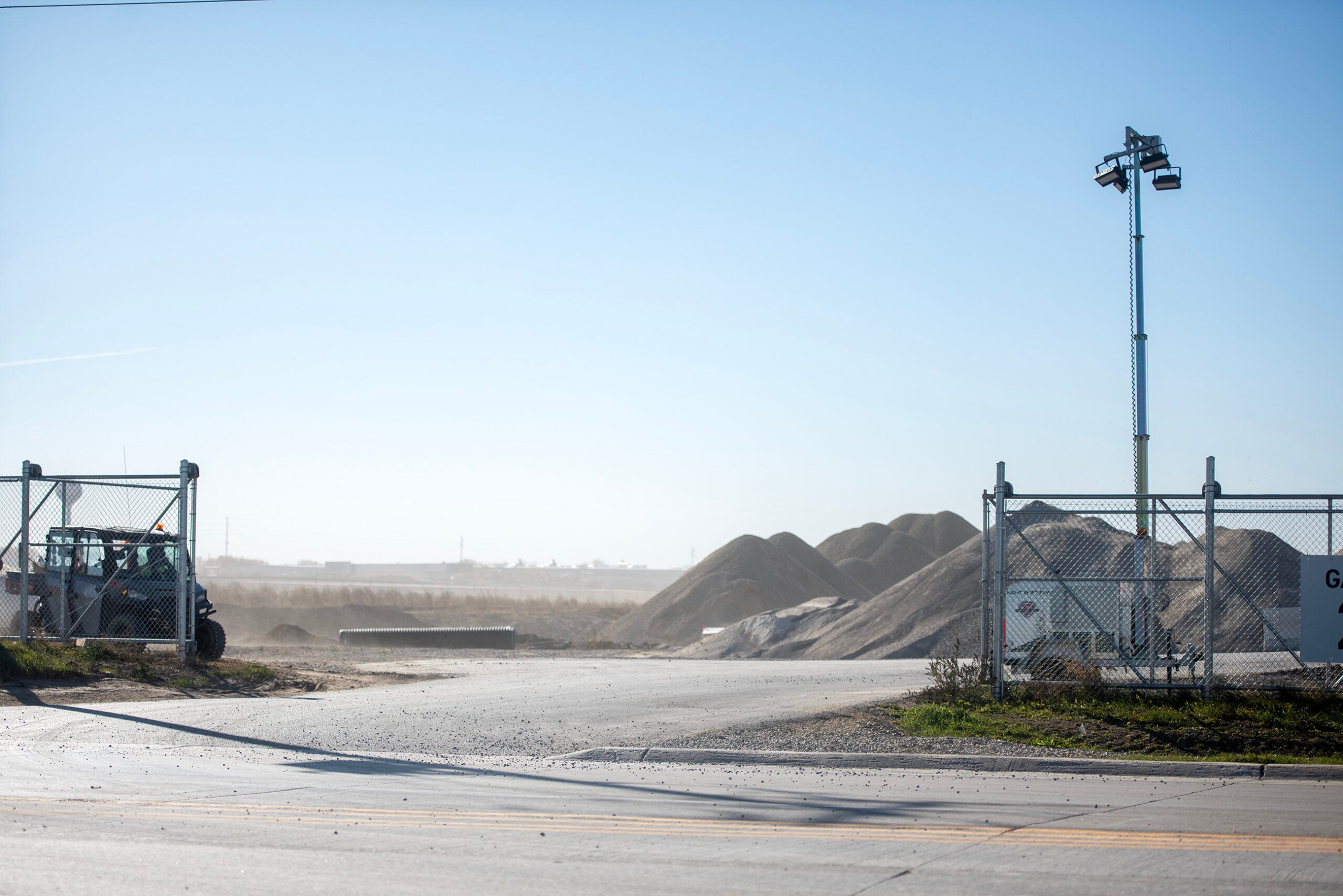
During a press conference on Wednesday, which included a ceremonial groundbreaking event, Meta and local government officials outlined the project. The data center will be situated on a sprawling 500-acre site known as Beaver Dam Commerce Park, a site previously promoted by the city and Alliant Energy.
The identity of the company behind the project remained undisclosed until recently, although Bloomberg had identified Meta as the developer in April.
Sam Rikkers, deputy secretary of the Wisconsin Economic Development Corp., expressed enthusiasm about the data center’s location. “Beaver Dam is the perfect home for Meta. It offers so much great access to infrastructure, a robust electrical grid, a strong pool of talent and, most importantly, amazing community partners that have helped move this project forward,” he said.
Meta anticipates the data center will be operational by 2027, with the construction phase promising “high paying union jobs,” according to Rikkers.
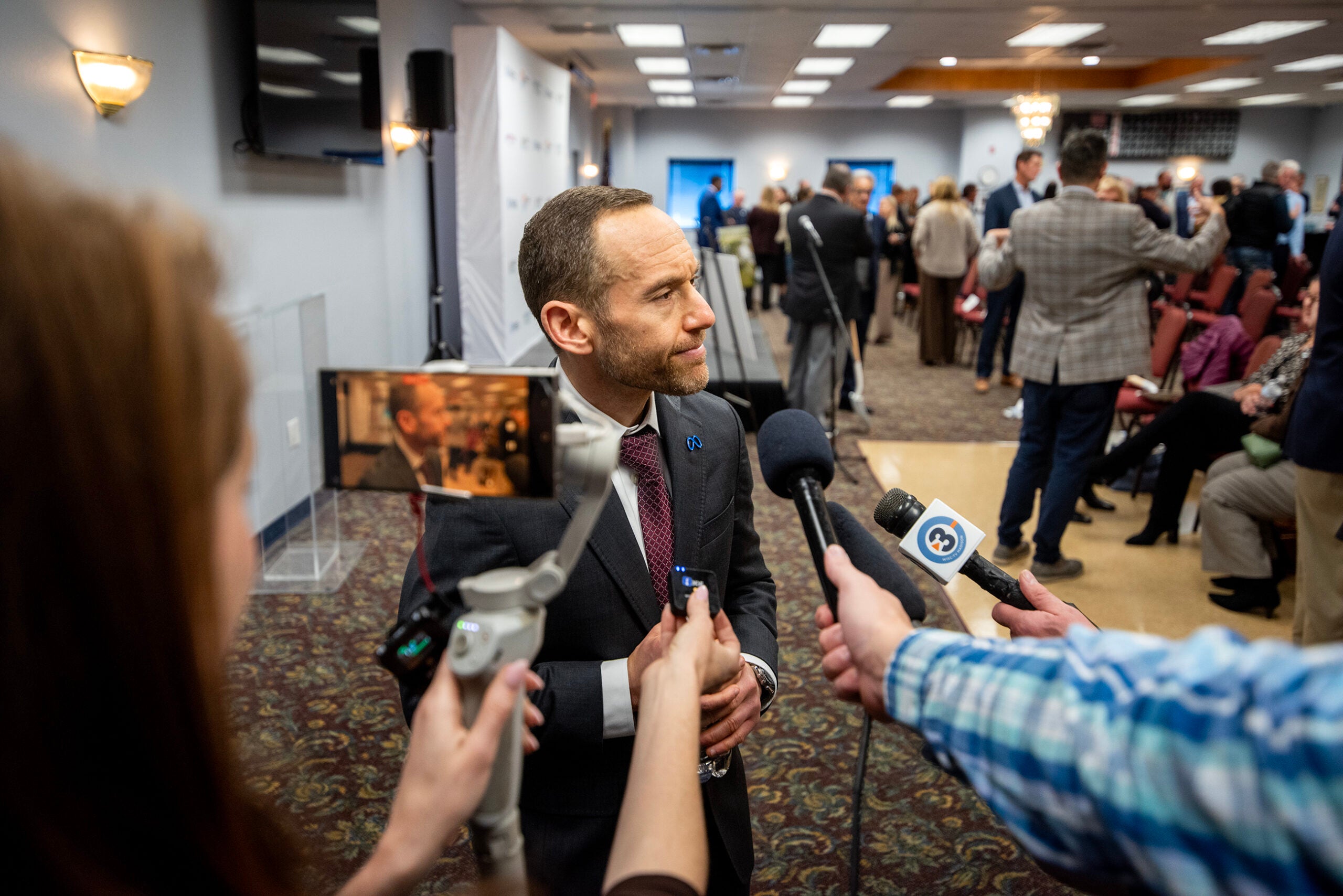
Brad Davis, Meta’s director of data center community and economic development, emphasized the company’s commitment to local hiring and sourcing while also planning to align energy usage with new renewable sources. However, he did not disclose specific electricity consumption figures.
Meta is set to finance nearly $200 million for energy infrastructure improvements, including network upgrades, transmission lines, and utility substations, according to the Wisconsin Economic Development Corp.
Davis also highlighted Meta’s environmental initiatives, including restoring 100% of water usage to local watersheds and collaborating with Ducks Unlimited to revitalise 570 acres of surrounding wetlands and prairies.
Additionally, Meta has pledged $15 million to an Alliant Energy fund aimed at assisting families with energy needs.
Before Wednesday’s announcement, agreements were established between the state, the city of Beaver Dam, and a company operating under the alias Degas LLC. The state’s contract offers sales tax exemptions for project-related purchases, while the city formed a tax increment district to aid development costs.
The city’s agreement includes developer-funded municipal bonds worth up to $110 million, aimed at public infrastructure and private project expenses. Beaver Dam Mayor Bobbi Marck noted that Meta would become the city’s largest taxpayer once the TID ends.
Community Concerns Over Transparency
While local leaders lauded the project as a regional economic booster, around a dozen protesters gathered to express dissatisfaction with the level of transparency concerning the development.
Mary Aplin, a Beaver Dam resident, voiced worries about potential environmental effects and the project’s secrecy. “We don’t know what it’s going to do to our water. There was no referendum,” she stated.
Another protester, Sarah Zarling from Watertown, criticized the process as lacking public input, describing it as “approved behind closed doors.”
Meta’s Brad Davis explained the company’s cautious approach in disclosing its involvement, citing the complexity of site selection as a reason for delayed announcements. “To take a community through the highs and lows of all that in public domain, it’s not fair,” he said, expressing excitement about establishing the data center in Beaver Dam.