The Curtain Falls on a Historic Movie Theater in Wisconsin
For many, the Park Theatre in Park Falls, Wisconsin, holds memories of cinematic magic. Kathleen Freiburger, who fondly recalls her first movie experience there with “Titanic,” now faces the bittersweet task of closing its doors permanently. As she and her husband take on this responsibility, they struggle against the tide of changing entertainment habits.
Opened in 1950, Park Theatre has been a staple in the small town of approximately 2,400 people. Despite efforts to keep it alive, the shift towards home streaming has taken its toll. Freiburger, who now owns the theater, laments, “It’s really hard for a small town, one-screen theater to survive.”
Community members, including Freiburger, recognize the theater’s significance to the town, which offers limited entertainment options. “It’s sad, it’s heartbreaking, because it’s such a piece of history for our town,” she expresses.
The COVID-19 pandemic exacerbated the challenges faced by movie theaters nationwide, leading to closures and a shift in consumer behavior. A poll by the Associated Press-NORC Center for Public Affairs Research shows a growing preference for streaming at home. “When you can stay home and just stream a movie, I think most people are going to do that,” Freiburger notes.
Data from Variety indicates a 23.5% decline in ticket sales compared to pre-pandemic figures. Jocelyn Szczepaniak-Gillece, director of film studies at the University of Wisconsin-Milwaukee, highlights the unique challenges faced by small-town cinemas, such as balancing mainstream and niche films for limited audiences.
Park Theatre’s reliance on concession sales, a common revenue stream for cinemas, is no exception. Freiburger admits, “When people do that, then we’re making no money whatsoever,” referring to patrons who bring their own snacks.
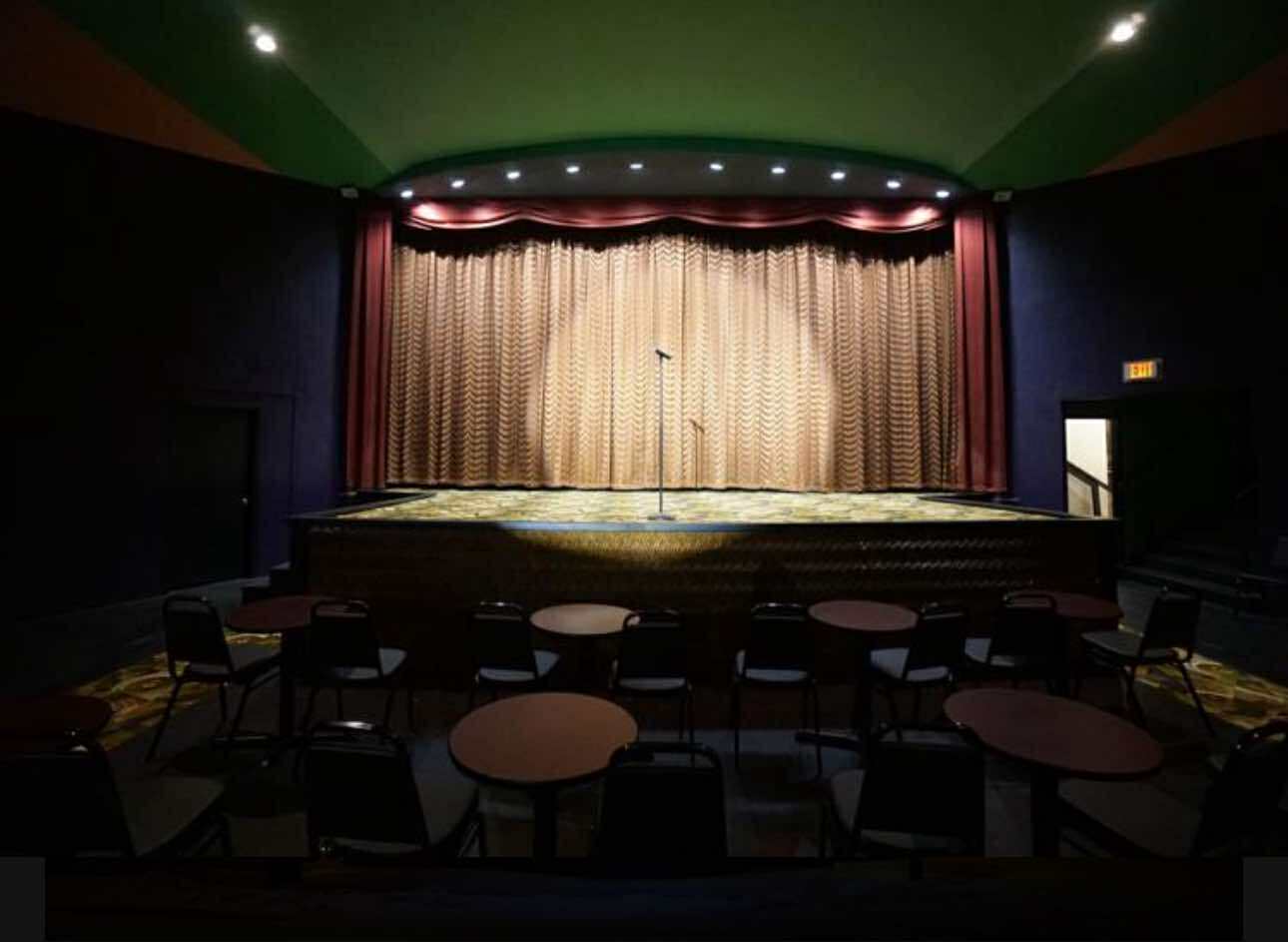
The theater explored alternative events like comedy shows and concerts, yet financial sustainability remained elusive. “It’s just becoming too much of a financial burden on us personally to be able to keep it going, especially with winter coming and the heating bills,” Freiburger explains.
Lee Barczak, owner of Neighborhood Theater Group in Milwaukee, also faces reduced ticket sales, echoing Freiburger’s sentiment on the importance of concessions. “You can’t make enough to have any kind of a profit just on tickets,” Barczak states.
While some theaters experiment with novel strategies to attract audiences, Szczepaniak-Gillece believes success lies in understanding local preferences. “It’s about tapping into what people in the area want to see,” she says, emphasizing the communal experience of moviegoing.
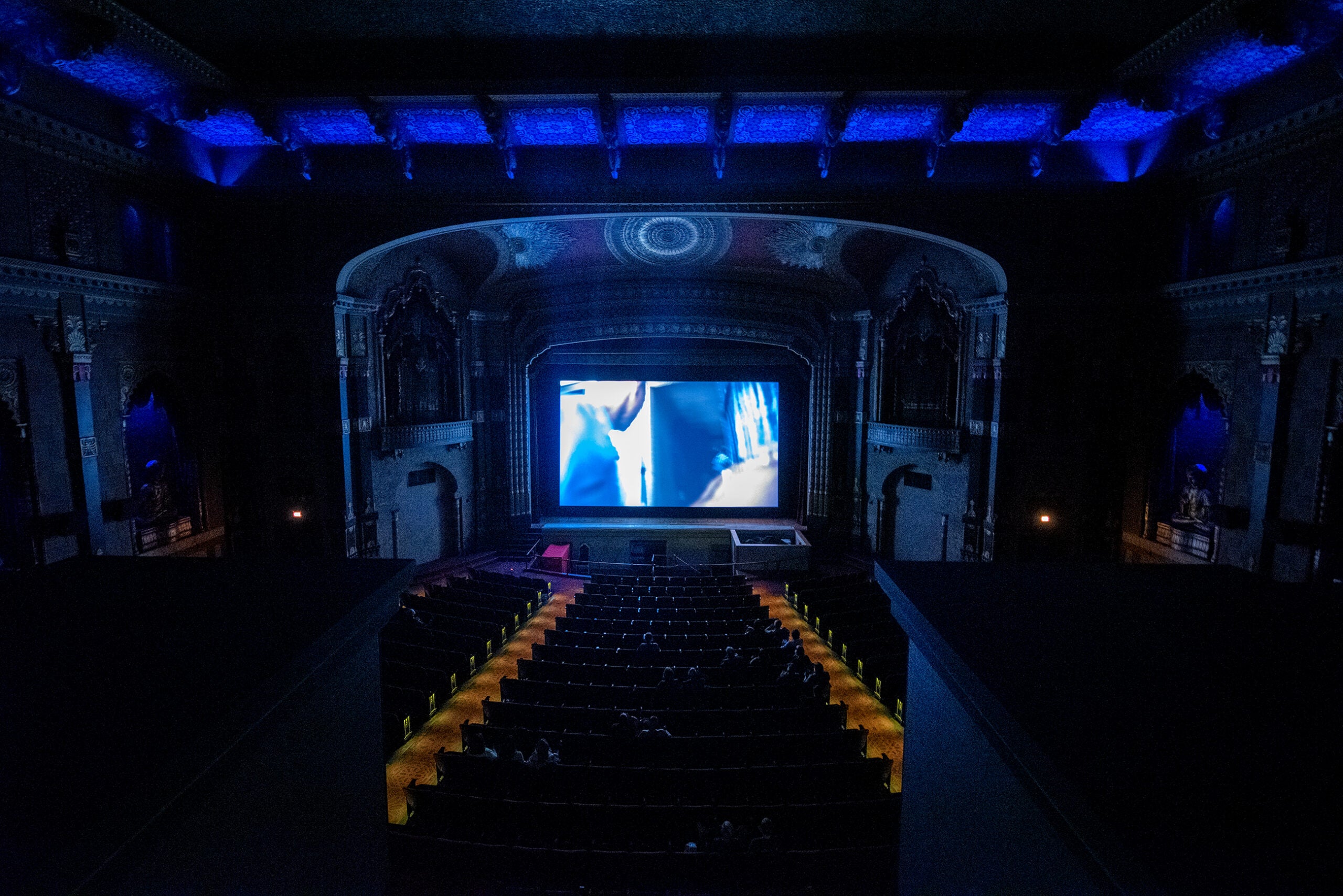
Elsewhere, the Rivoli Theatre in Cedarburg thrives with the support of volunteers. Opened in 1936, it remains a community favorite, hosting private events and seasonal films. Jerry Voigt, who coordinates the volunteer workforce, says, “So the volunteers, that’s our core workforce. And again, you couldn’t operate it (theater) if we had to pay people to run the concession center, take tickets and oversee the whole operation — it wouldn’t work.”
The Rivoli’s success speaks to the power of local support. “It’s something where the community totally supports the Rivoli (Theatre) and they would not let it go,” Voigt concludes.