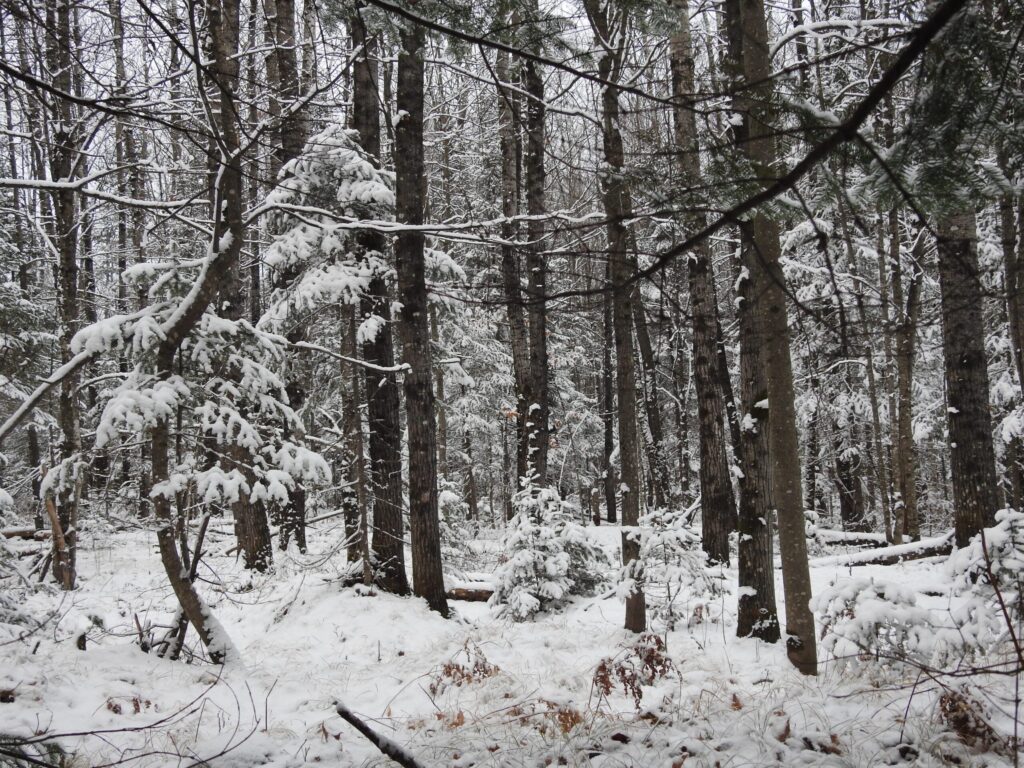
Every year, when hunters head into the wilderness for gun deer season, they do more than just stalk their prey. For many, like writer and forester Ron Weber, this time is a blend of tradition, reflection, and appreciation of the natural world. In an essay for “Wisconsin Life“, Weber shares his perspective on the deeper meaning of hunting season.
‘On Hallowed Ground’
With dawn breaking on the second day of the gun deer season, Ron Weber found himself nestled against a white cedar on the periphery of a mature aspen grove. The cedar trees provided both concealment from the watchful eyes of deer and a shield from the gentle snowfall that had begun before first light.
Weber’s connection to this location dates back to 1979, when as a 15-year-old, he first ventured into these woods. At that time, the area had recently been clear-cut, and young aspen sprouts quickly took over the landscape. Spotting abundant deer signs, Weber found a promising location among the cedars to begin his watch. Little did he know, these trees would become a significant part of his life.
Year after year, Weber returned, witnessing the aspen’s transformation from slender saplings to robust trees reaching 15 feet within a decade. As time passed, the trees engaged in a relentless competition for sunlight, with only the tallest surviving.
During one reflective morning, Weber realized he had been returning to this view for 45 years. Memories flooded his mind, one in particular standing out. It was the Friday after Thanksgiving in 2002 when members of his deer camp spread out to hunt. Weber decided to traverse the cedar swamp, hoping to drive deer toward his companions. After a shot rang out, he joined his brothers, Gary and Jim, at the cedar stand, where they found Jim with a magnificent 11-point buck.
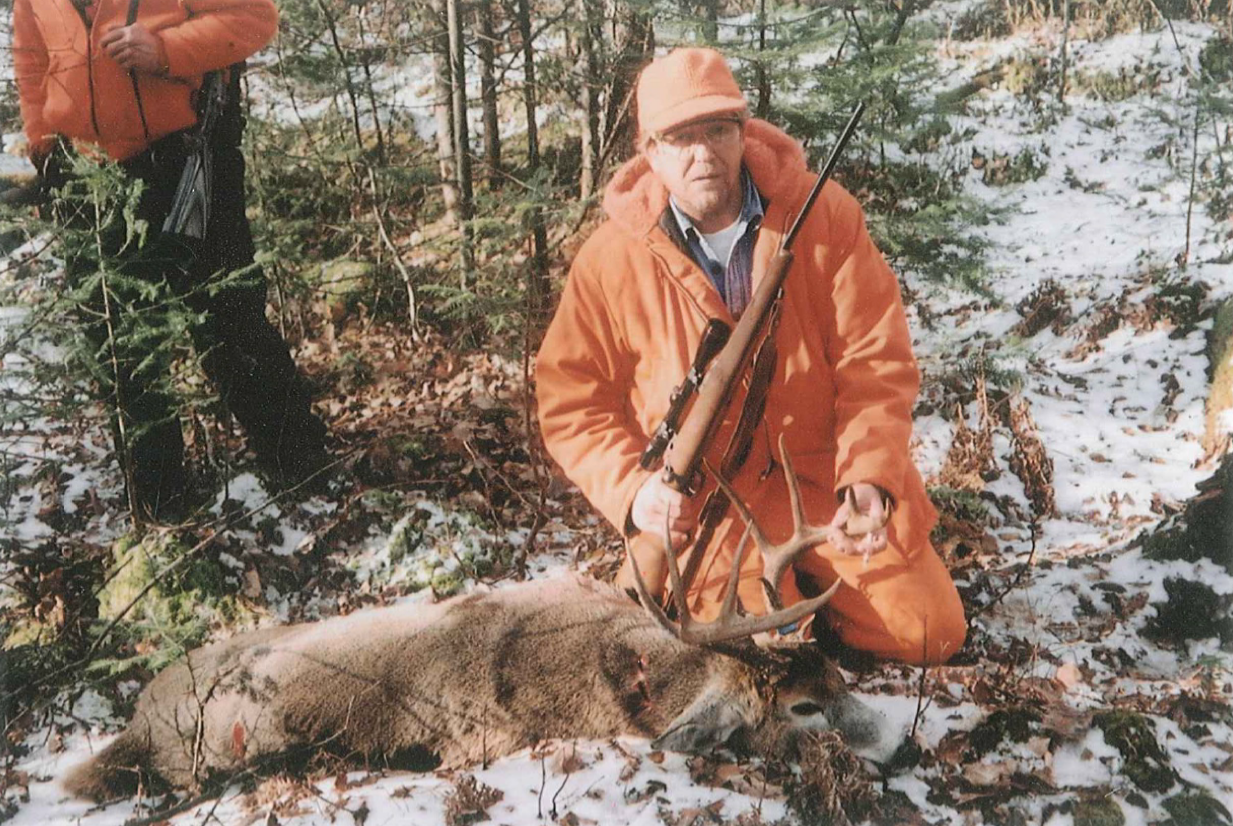
Recalling that day as perfect, Weber noted how life rarely maintains such perfection. A decade later, he returned not to hunt, but to scatter some of Jim’s ashes, marking a place where life once felt flawless.
A pileated woodpecker’s drumming on a decayed aspen pulled Weber back to the present. Observing the nearly 50-year-old aspen stand, he pondered its future and his own. These are reflections a 15-year-old might overlook, but a 60-year-old cannot ignore.
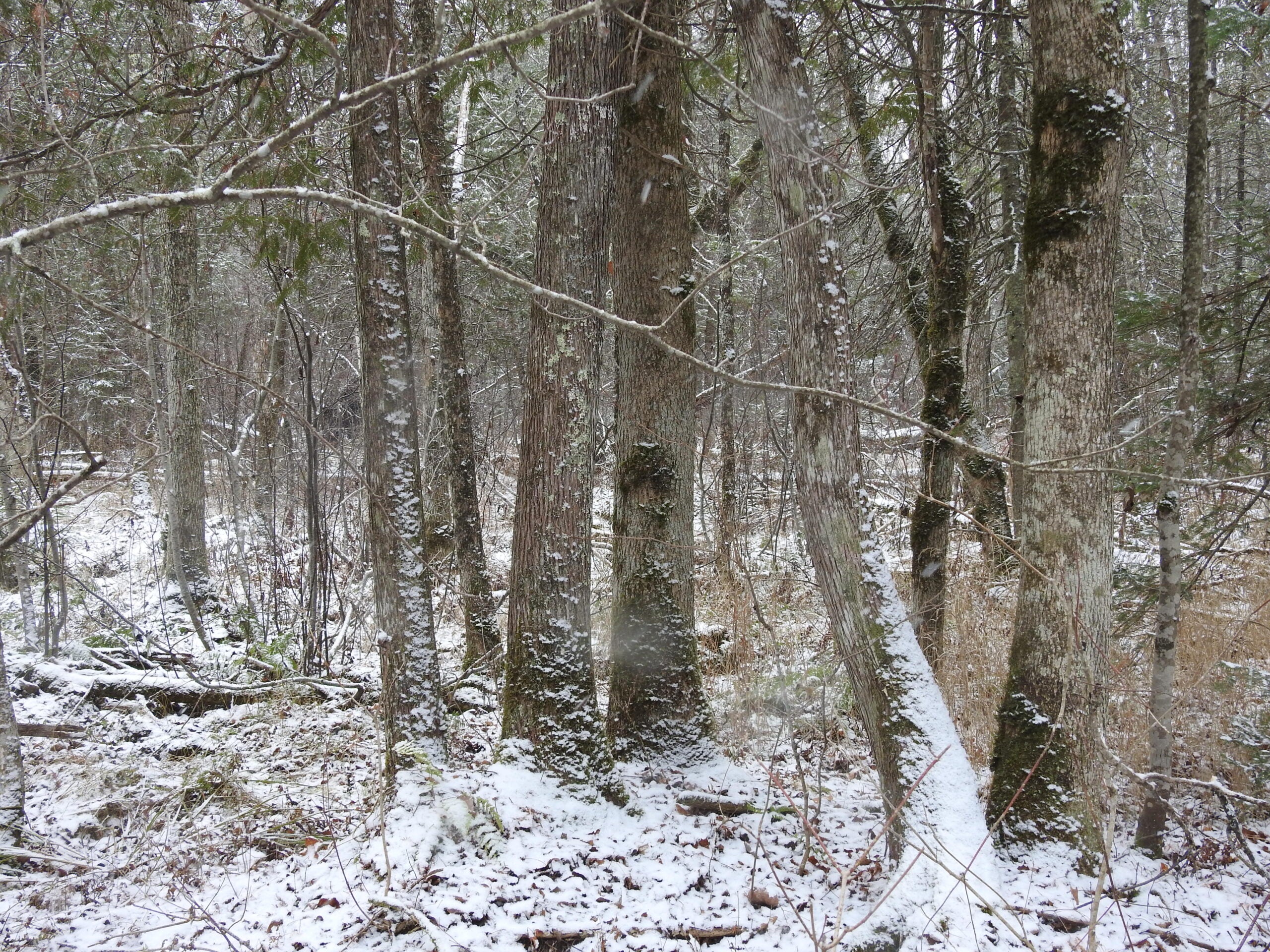
As the sun disappeared behind a curtain of clouds, signaling the day’s end, Weber stroked the cedar’s smooth bark. The cedars remained unchanged since his youth; the aspen and Weber himself had aged, but the cedars, with their centuries-long lifespan, seemed timeless.
Eventually, the aspen will be cleared, making way for new growth while the cedars continue their vigil. If not Weber, then perhaps another young hunter will discover this sacred ground, appreciating its special significance, whether they realize it or not.

“Wisconsin Life” is a co-production of Wisconsin Public Radio and PBS Wisconsin. The project celebrates what makes the state unique through the diverse stories of its people, places, history, and culture.