Brad Schimel Retains Role in Milwaukee Despite Expired Term
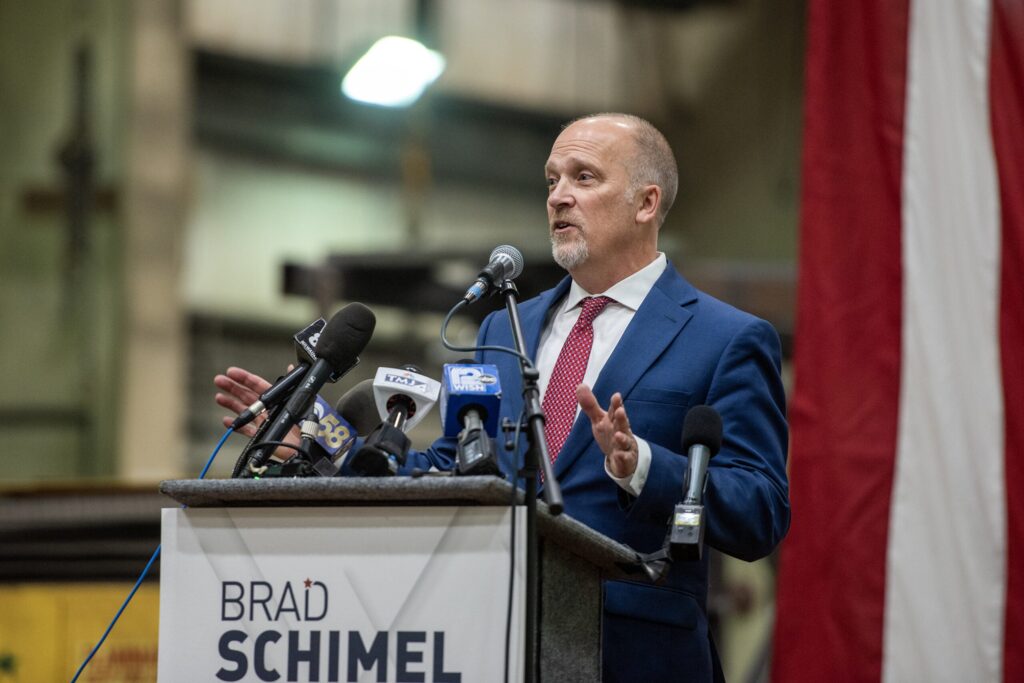
In an unexpected move, former state Attorney General Brad Schimel continues to lead the U.S. attorney’s office in Milwaukee, although his initial appointment term has concluded. This decision has sparked discussions about the legality and implications of such appointments.
U.S. Attorney General Pam Bondi initially appointed Schimel to manage Wisconsin’s Eastern District for a temporary period of 120 days. This interim term ended without Senate confirmation, and federal judges chose not to extend his tenure. To navigate this, Bondi reappointed Schimel as the first assistant U.S. attorney, allowing him to maintain his leadership role.
This strategy is part of a broader effort by the Trump administration to bypass Congressional approval due to insufficient Democratic support for their appointees. Paul Nolette, a professor and director at Marquette University’s Les Aspin Center for Government, explained this approach during an interview on WPR’s “Wisconsin Today.”
Nolette commented on the legality of such appointments, noting, “It’s very questionable … other judges across the country have, in fact, ruled this illegal.” He raised concerns about the potential impact on criminal cases overseen by Schimel’s office if his appointment is later deemed unlawful.
Kate Archer Kent: Could the cases in the Milwaukee U.S. attorney’s office have a better argument for appeals, or even dismissal, because of Schimel’s reappointment?
Paul Nolette: Yes, absolutely. I think the case to look at, the high profile one last November, was when (former FBI director) James Comey and the New York Attorney General (Letitia) James — both of their indictments were overturned by a judge because the judge found that the U.S. attorney who was named an interim, much like Brad Schimel has in this case, that that was an illegal appointment. These cases are going to be proceeding under some questionable legality.
The current scenario highlights a broader issue, with only 31 out of 94 federal judicial districts led by Senate-confirmed U.S. attorneys. Nolette attributes this to increasing political polarization, making it challenging to secure Senate approval for such appointments. Despite being in the minority, Democratic lawmakers utilize various tools to slow down the process, leading to the administration’s frequent use of interim appointments.
KAK: Will lawyers want to work in these offices when they see so much partisan upheaval?
PN: A lot of the people who work in these offices really aren’t partisan people. They want to do a good job serving the people of the district in the state. I think this is a danger for public service, ultimately, when it gets tied up in politics in such a dramatic way like what we’ve been seeing across the country.
Looking ahead, Nolette anticipates that the U.S. Supreme Court might eventually intervene to clarify the legality of these appointments, given the potential impact on numerous criminal cases. As only about one-third of U.S. attorneys have been Senate-confirmed, the resolution of this issue could significantly affect the legal system.