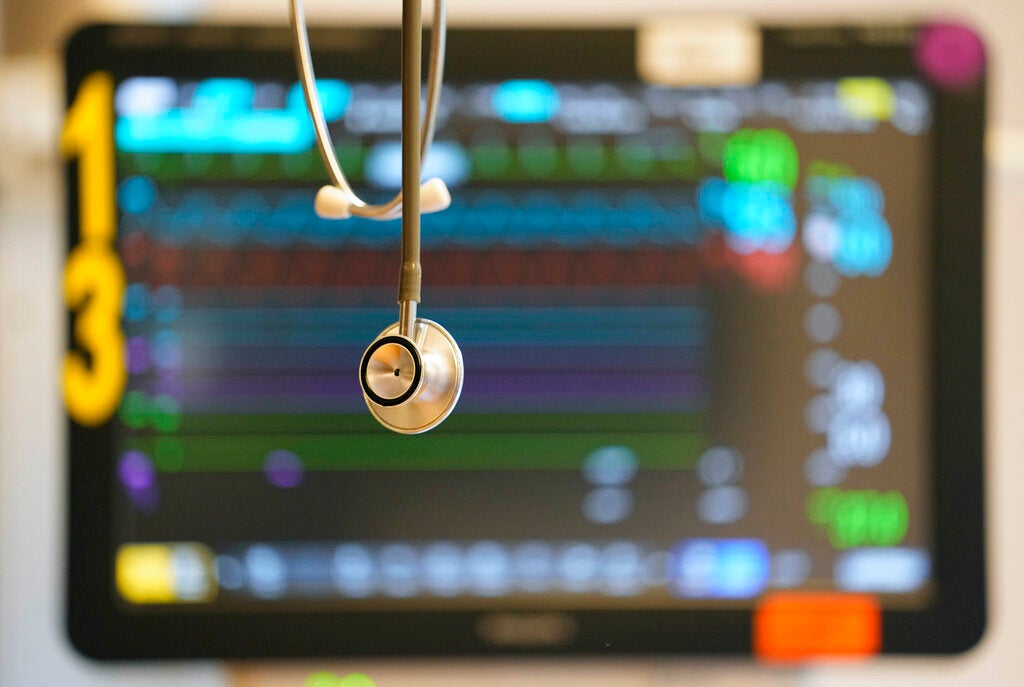
Amid rising discussions about healthcare quality, certain Ascension hospitals in Milwaukee have transitioned to using telemedicine for critical care. This decision has sparked concerns among hospital personnel about the absence of on-site intensivists.
Since May 1, Ascension Wisconsin’s smaller Milwaukee hospitals have been operating without in-person critical care physicians, also known as intensivists. The Milwaukee Journal Sentinel was the first to report this change. While the hospital system has not confirmed which facilities are affected, locations in Mequon, Brookfield, and Franklin are believed to be part of this shift.
Although hospitalists remain on-site to manage patient care, their expertise does not necessarily extend to critical care procedures, leading to questions about emergency response capabilities in these ICUs.
Concerns have been raised regarding the clarity of communication about these changes and the protocol for emergencies. Some staff members have voiced their unease to the Journal Sentinel.
In response to these concerns, Ascension Wisconsin emphasized that existing protocols ensure timely care. According to a statement to WPR, “There are protocols in place today to manage emergency situations and these will remain constant, utilizing in-house, 24/7 clinicians, including hospital medicine physicians, emergency medicine physicians and practitioners, critical care nurses and respiratory therapists, as well as ICU-trained advanced practice providers and intensive care physicians.”
This strategic decision follows Ascension Wisconsin’s previous announcement about outsourcing critical care staffing, a move that was met with public backlash. Last year, the system had proposed replacing local ICU staff with telemedicine and nurse practitioners through a staffing firm.
Understanding Tele-ICUs
Tele-ICUs are becoming more prevalent, with up to 20% of nationwide ICU beds utilizing telehealth services, according to Dr. Ellie Golestanian, an associate professor at the UW School of Medicine and Public Health. These systems involve more than just remote physician consultations; they incorporate specialized software that provides real-time patient data for continuous monitoring.
Dr. Golestanian, who collaborates with UW Health to provide tele-ICU services to smaller hospitals, highlighted the importance of having trained staff and well-defined procedures for effective telehealth integration.
“At the very start of taking on a partnership with a new site, we clear these hurdles,” Dr. Golestanian explained. “We ensure that someone is available to handle complex tasks, and if necessary, we assist in patient transfers when resources are insufficient.”
For those concerned about remote monitoring, Dr. Golestanian emphasized the importance of communication. She noted, “It’s important to know that it’s not just one physician providing (tele-ICU) care. We’re very much a team — usually a ratio of four highly qualified critical care nurses to one physician in addition to administrative staff and information technology staff.”