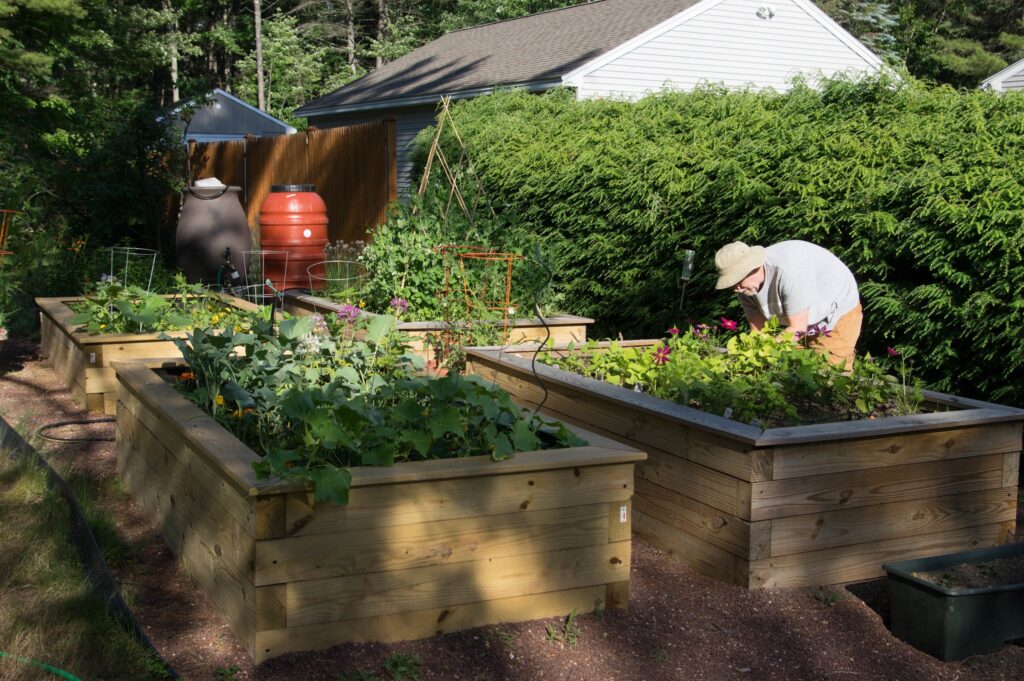
Gardens, much like life itself, evolve subtly over time. A plant may begin as a fragile sprout only to transform into a flourishing presence, abundant with cherry tomatoes, seemingly overnight.
This transformation reflects the process of aging, suggests Rhonda Fleming Hayes. The gradual shift from enjoying gardening as a pastime to perceiving it as a strenuous task can catch many by surprise. Kneeling in the garden might take a more significant toll on the body than it once did.
However, there is no need to forsake a cherished hobby. Instead, consider altering how you engage with your garden.
“You can’t change the fact that you’re growing older, but you can change your attitude towards the garden,” stated Fleming Hayes.
Fleming Hayes, the writer behind “Garden for Life: Strategies for Easier, Greener, More Joyful Gardening as We Age,” has been sharing her gardening wisdom as a volunteer Extension Master Gardener in Minnesota since 2000. Recently, she shared insights on “The Larry Meiller Show” on WPR, highlighting strategies for aging alongside your garden. Here are three key pieces of advice from the discussion.
Optimize Your Gardening Space
According to Fleming Hayes, “Right sizing is finding that sweet spot where gardening still is fun and it offers you all those great benefits for your mind and body, but you don’t want it to be a chore.”
She advises dividing your garden into distinct zones. The area closest to your home can be dedicated to more intricate gardening efforts, offering convenience and the pleasure of viewing these plants from your window. Conversely, consider planting low-maintenance varieties in areas further from your house, or allow these more distant zones to grow a bit wild.
Select Plants Thoughtfully
Fleming Hayes emphasizes the importance of understanding plant care requirements. Opting for plants that require less maintenance can significantly reduce gardening efforts.
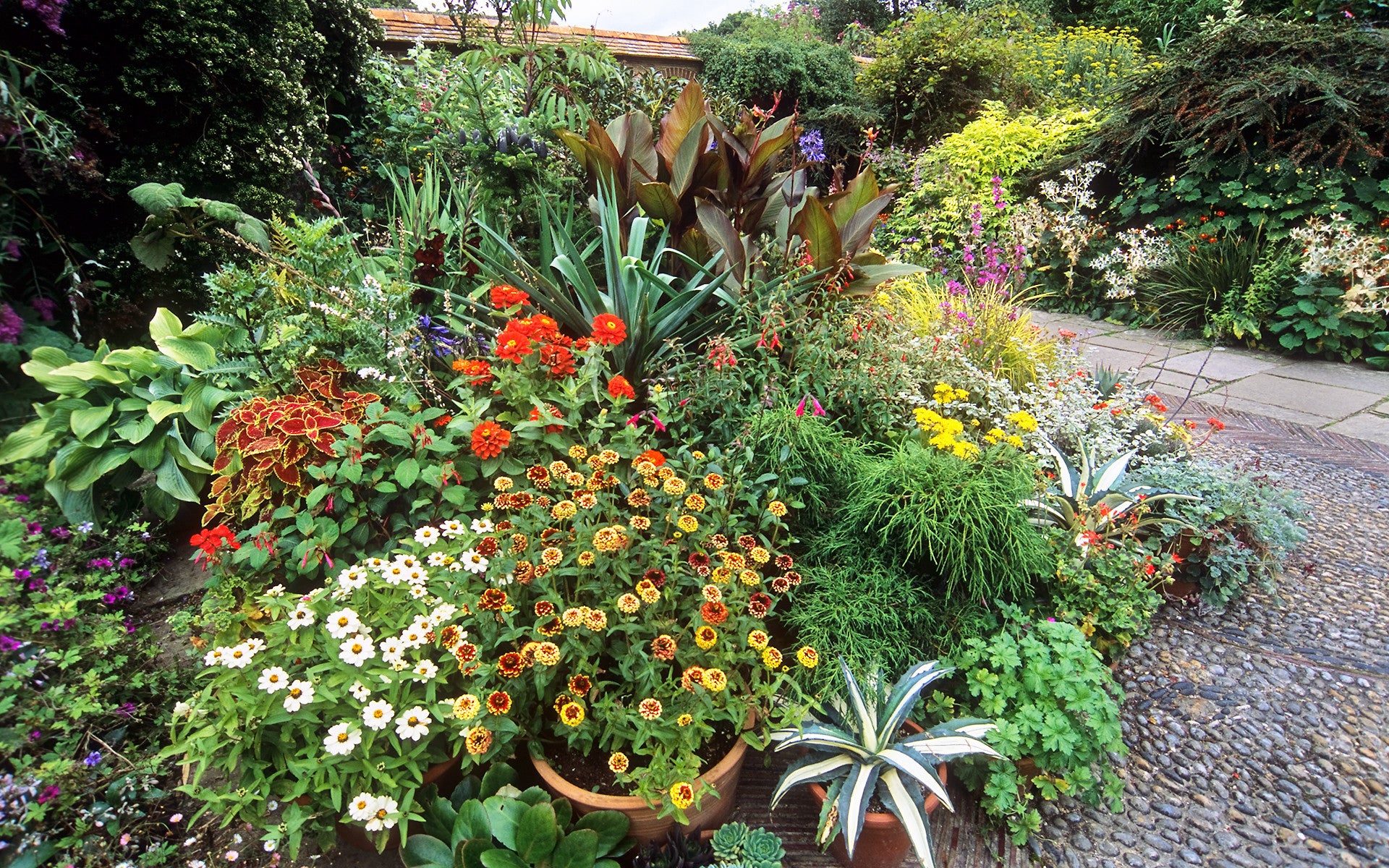
While annuals may demand more attention, particularly when planted in the ground, Fleming Hayes suggests confining them to easily accessible containers. Though perennials are often favored, they can entail additional tasks such as pruning and dividing.
Instead, Fleming Hayes recommends focusing on shrubs and trees. These “one touch plants” only require minimal upkeep, such as occasional pruning, yet can bring vibrant colors through their fruits and flowers. “I don’t think low maintenance has to be low interest,” she notes.
Incorporate Lightweight Containers and Pots
With advancements in gardening materials, options now extend well beyond the traditional terracotta pots. Lightweight containers, made from materials such as fiberglass, resin, or recycled components, are particularly useful for ease of movement and storage during colder months.
“A lot of them nowadays are self-watering, which is a great thing if you’re forgetful, or if you travel a lot, or just to help you out with those daily chores in the middle of a hot summer,” Fleming Hayes points out.
Additionally, grow bags present a versatile alternative. They are portable and allow for easy disposal of soil at the end of a season. For those with limited space, such as apartment dwellers, these bags are highly recommended.
Fleming Hayes has found success with these bags, as they promote healthy root growth by allowing air exposure. This process prevents roots from becoming root-bound by encouraging them to spread within the bag. “The roots become more fibrous, versus spiraling around and getting root-bound,” she explains. “They’re just a fun option. I suggest people try them.”