At Milwaukee’s Care for All community clinic, a typical Tuesday morning is a whirlwind of activity. Receptionist Kailee Evans juggles multiple phone calls, often with a queue of patients waiting for assistance.
“The phones are always going off,” Evans noted. “Sometimes there will be two people on hold at a time.” The clinic, known for providing both surgical and medication abortions, sees a steady stream of patients, with Evans offering refreshments to those waiting.
At a time when only two abortion providers were available in Wisconsin, Care for All was under pressure to accommodate the rising demand. This situation arose because the state’s largest provider, Planned Parenthood of Wisconsin, had paused abortion services. However, a recent announcement signaled that Planned Parenthood would resume its abortion services.
Wisconsin’s Abortion Access Evolution
The landscape of abortion access in Wisconsin has been tumultuous since the U.S. Supreme Court’s decision in Dobbs v. Jackson Women’s Health Organization in June 2022. Initially, all state abortion providers ceased operations, but a legal challenge led to a reopening of clinics over a year later.
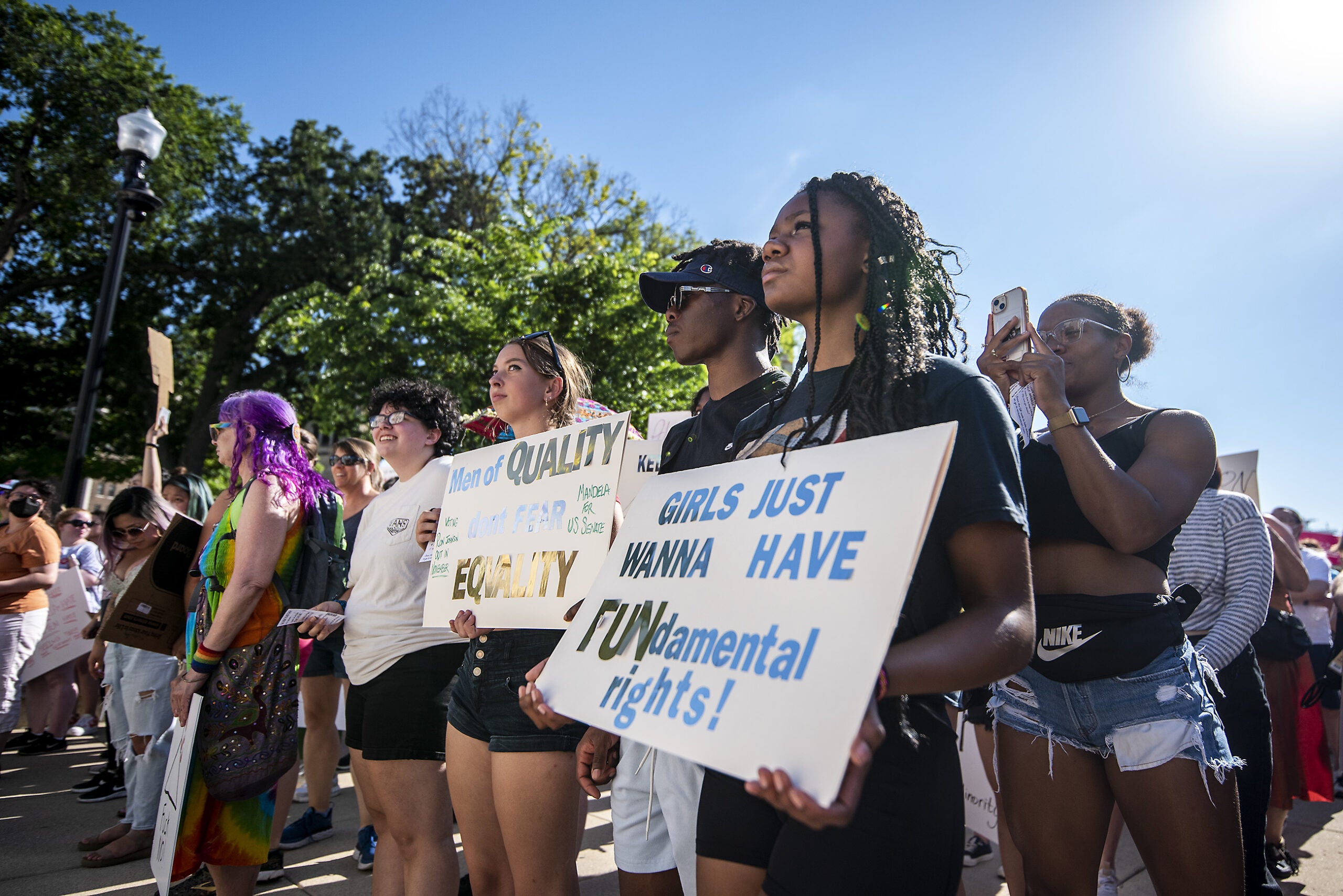
The state’s Supreme Court election in 2023 focused heavily on abortion, with the victory of liberal candidate Janet Protasiewicz altering the court’s majority. This shift led to the repeal of a longstanding abortion ban. However, challenges persisted, including a temporary pause on services by Planned Parenthood due to federal Medicaid reimbursement restrictions affecting large health care nonprofits offering abortions.
Independent Clinics’ Role Amidst Challenges
Care for All opened its doors in June 2025, just when Planned Parenthood paused its abortion services. Cofounder and Executive Director Ali Kliegman observed that the clinic’s patient volume surged during this period.
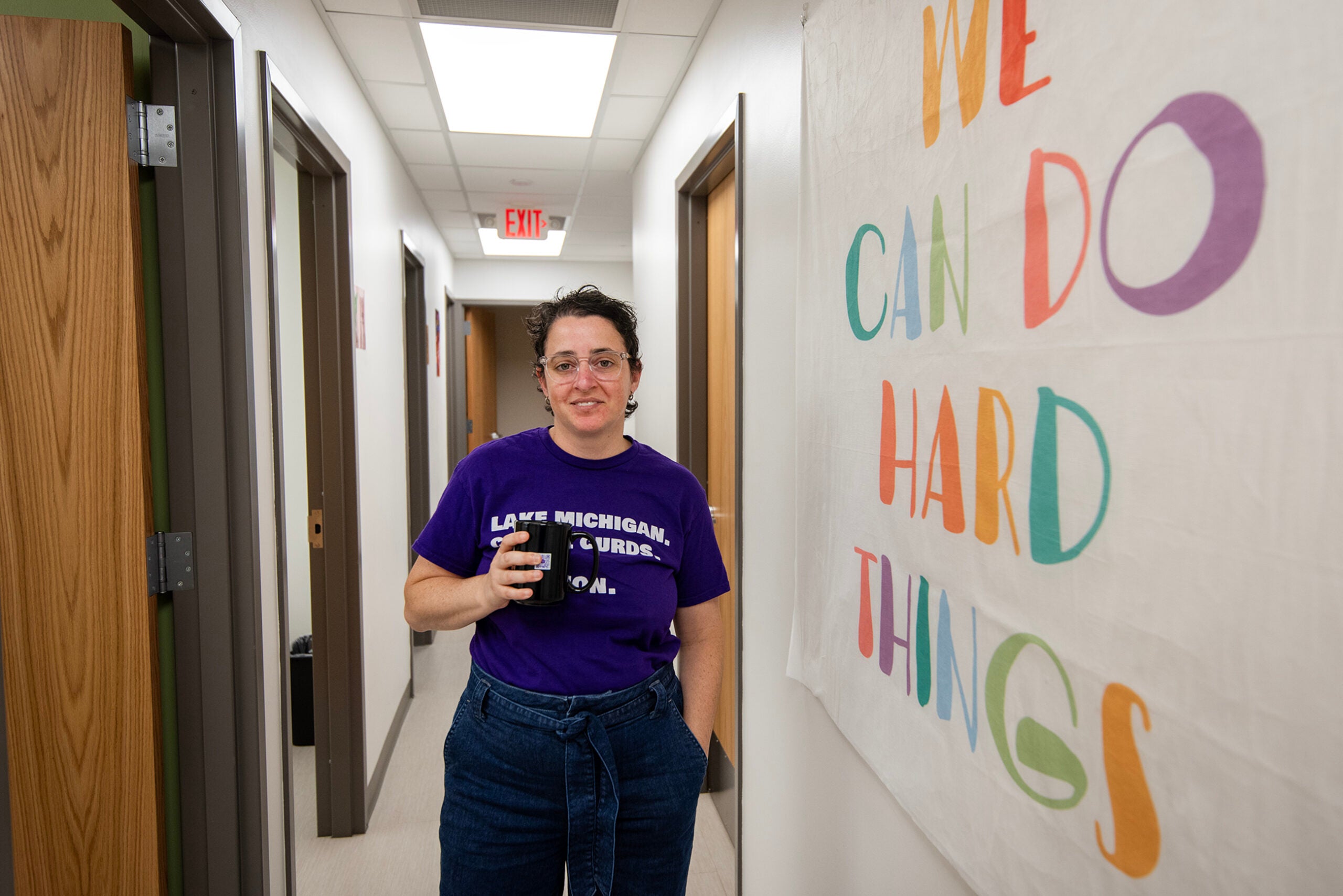
“We were slowly building capacity, slowly building our volume, fine tuning our systems, and then suddenly, the faucet turned on full,” Kliegman remarked. During Planned Parenthood’s pause, Care for All managed a significant increase in appointments, prioritizing patients based on gestational age.
When Planned Parenthood resumed its services, Care for All began redirecting some patients to clinics closer to them, aiming to reduce travel burdens for patients. Despite the resumption, the uncertainty surrounding abortion legality in Wisconsin persists, with many patients unsure if the service is legal even when at the clinic.
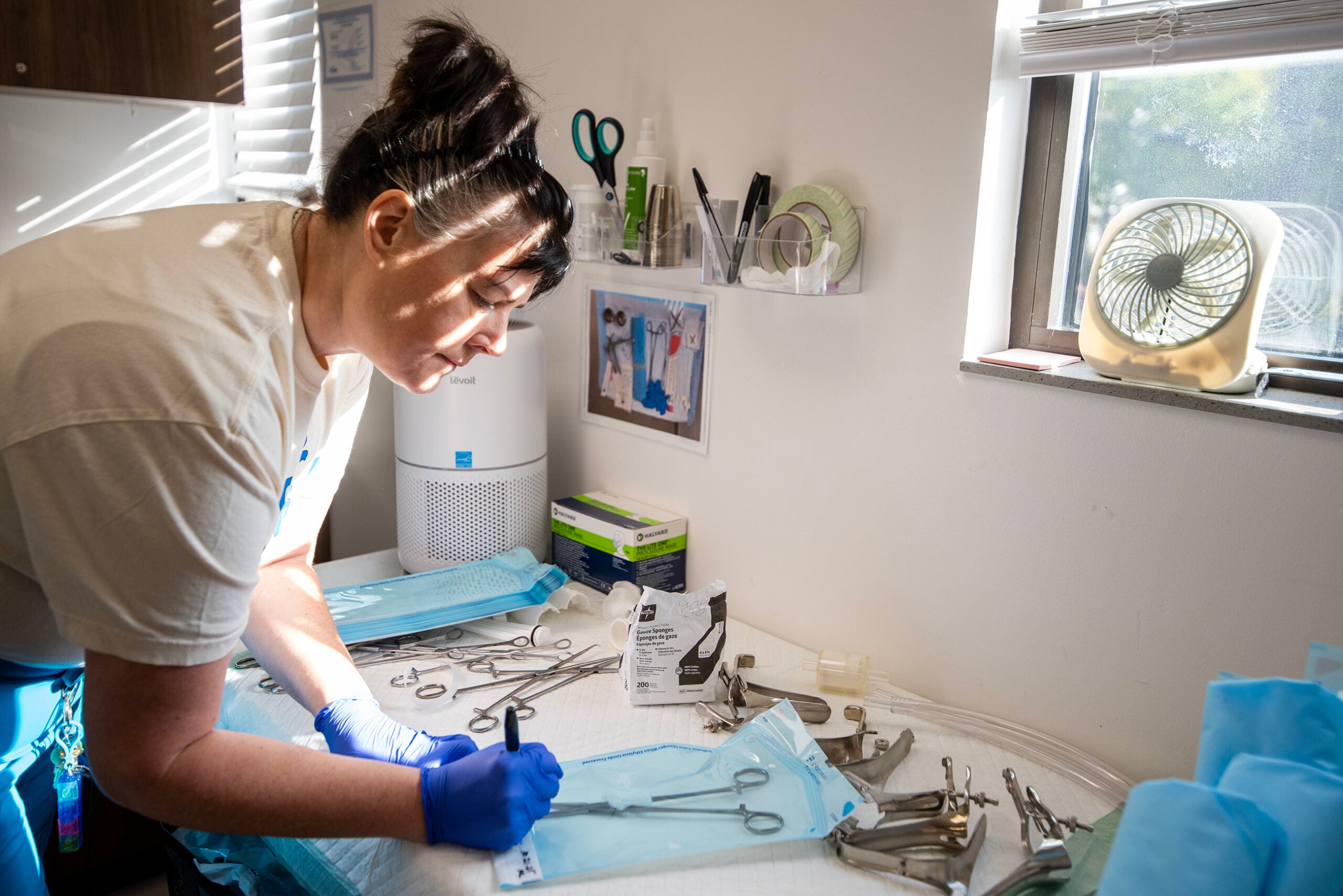
Care for All supports a pay-what-you-can model, aiming to provide free services within five years. Executive Director Ali Kliegman emphasizes the clinic’s commitment to affordable care. The Abortion Care Network’s Erin Grant notes that independent clinics play a crucial role in maintaining access when legal changes threaten providers.
Amidst these challenges, Kliegman highlights the confusion that persists among Wisconsin residents regarding abortion legality. “When people hear that [Planned Parenthood is] closed, they kind of assume, well, then there must be no abortion in Wisconsin,” they said.
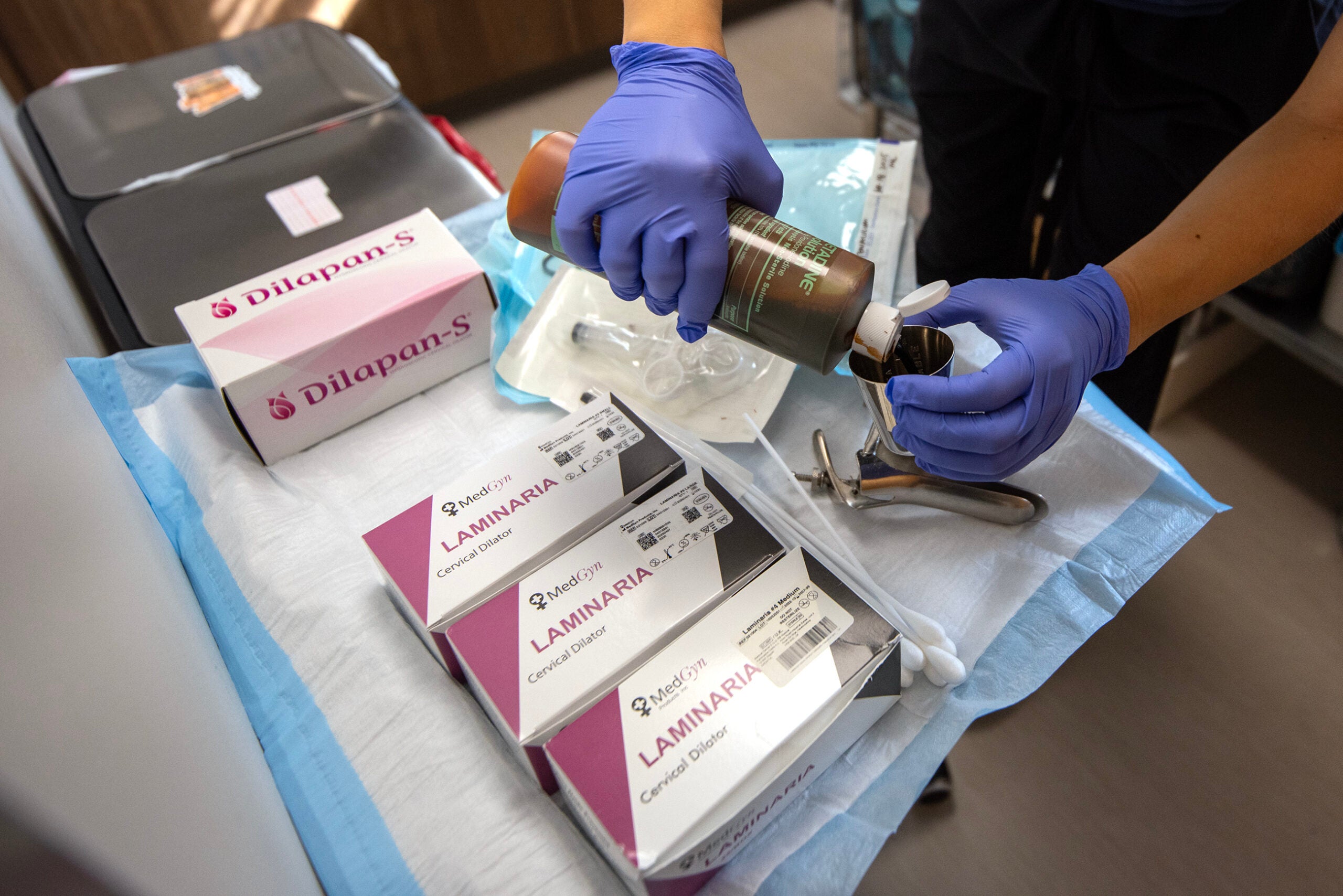
Mary Ziegler, a law professor at the University of California, Davis, suggests that the ongoing legal battles over Medicaid changes could continue to impact access. “It’s pretty hard for ordinary people to keep up with what the law actually is at any time when there is so much whiplash,” Ziegler commented, highlighting the potential for confusion and misinformed health decisions.
In 2024, 38 percent of abortions for Wisconsin residents occurred out of state, indicating the complexities and barriers within the state. As Kliegman notes, “Going back and forth between a ban and not a ban is extremely confusing.”