Tarrant County Reduces Polling Sites Ahead of Midterm Elections
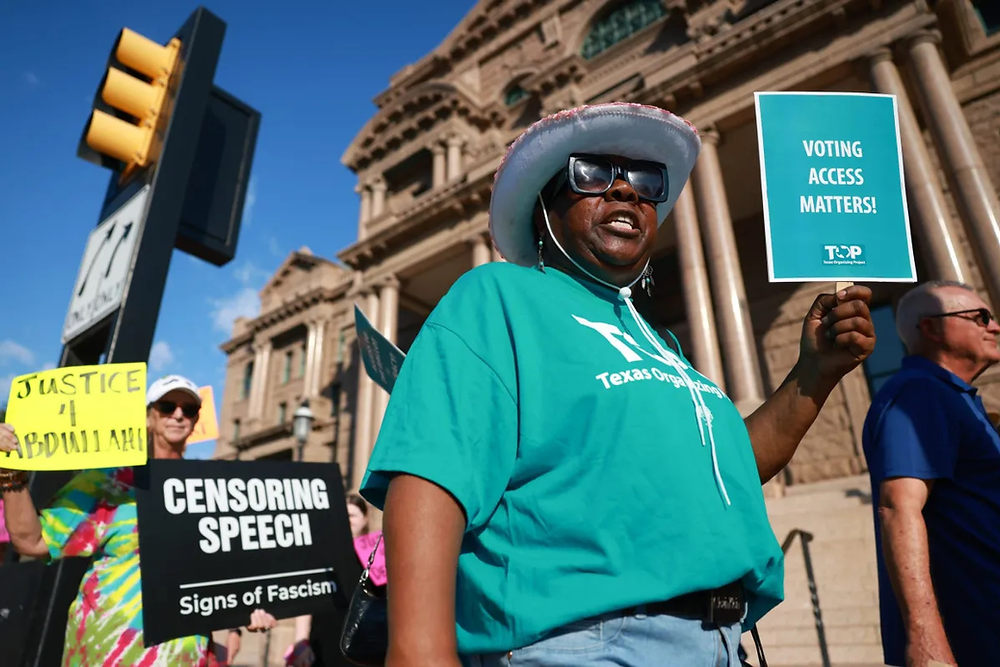
Tarrant County’s Commissioners Court has decided to reduce the number of polling places for the upcoming midterm elections. The vote, which ended in a 3-2 decision, removed 92 polling locations from the county’s Election Day map. This change impacts over 1.3 million registered voters in the area, occurring just two months before what many consider a pivotal election.
The newly approved list now includes 224 Election Day sites and 47 early-voting locations, a significant decrease from the 316 and 50 locations available during the 2022 midterm elections. The decision followed an extensive eight-hour meeting where over 100 speakers, the majority in opposition, shared their testimonies. Additionally, 30 civic groups had gathered earlier to urge the county to maintain the previous level of voting access.
The reduction saw backing from the Republican majority in the court, with County Judge Tim O’Hare and commissioners Matt Krause and Manny Ramirez supporting it. On the other hand, Democratic commissioners Alisa Simmons and Roderick Miles Jr. opposed the move. Simmons, who is running against O’Hare, commented, “It’s not about cost. This is about power. This is very political. This is campaigning from the dais.”
Critics argue that the cuts disproportionately affect communities that are already underserved. For instance, the 76104 zip code, a predominantly Black and Latino area, will have no polling site. National organizations like the Legal Defense Fund, ACLU, and Campaign Legal Center have voiced concerns that the plan unfairly impacts minority voters. Demetria McCain from the LDF labeled it “a voter suppression tactic designed to impede Black voters and other voters of color from exercising their right to vote at the polls.”
Efforts to reinstate certain polling sites, such as the Maverick Activity Center at the University of Texas at Arlington, were unsuccessful. This decision raised concerns about student voting accessibility, with some arguing that the loss of campus-based polling sites affects voter turnout. The Republican faction suggested nearby alternatives, though these may not attract the same number of voters.
County elections administrator Clint Ludwig defended the map, saying it “concentrates locations where voters choose to vote” while adhering to accessibility standards. However, there are fears that the changes will lead to longer lines, more extended commutes, and potential confusion about polling locations. Democratic U.S. Senate nominee James Talarico highlighted these stakes, emphasizing that the reduction could especially lower turnout among Black and Brown communities.
This move isn’t unprecedented for Tarrant County, which has previously faced accusations of redistricting to favor the ruling party. Commissioner Krause dismissed calls to maintain the 2022 polling site numbers as “arbitrary,” despite the county’s population growth.
In contrast, Dallas County, located 30 miles away, has increased its polling sites to 448 for Election Day and 85 for early voting, showing that expansion is possible even in fast-growing areas.
Tarrant County’s voting landscape is set to be more challenging in the upcoming election cycle. With early voting from Oct. 19-30, Election Day on Nov. 3, and a registration deadline of Oct. 5, voters must be proactive to ensure they can cast their ballots without last-minute surprises.