ICE Budget Increase Bolsters Private Prisons and Expands Detainment Capacities
Congress’s recent approval of the budget bill on July 1 has significantly increased funding for U.S. Immigration and Customs Enforcement (ICE), making it the largest federal law enforcement agency. The agency’s budget has more than tripled, with $45 billion allocated to building new immigration detention centers for both adults and children. As of September 7, ICE detention holds 58,766 people, a substantial increase from 37,395 the previous year. Projections suggest detention capacities could double, with internal documents revealing expectations to hold over 107,000 individuals by January.
This financial boost also includes an additional $30 billion for arrests and deportations, focusing on expanding ICE’s personnel and logistical capabilities. ICE’s collaboration with private prison companies like CoreCivic and GEO Group is central to executing its agenda, given their roles in constructing and managing detention facilities and transporting detainees.
Private Prison Profit Surge
CoreCivic and GEO Group have both reported increased profits in their recent earnings reports. CoreCivic experienced a 10 percent revenue increase, reaching $538.2 million in the second quarter, while GEO Group saw a 5 percent rise to $636.2 million. CoreCivic’s CEO Damon Hininger described the budget bill as a “pivotal moment for funding related to our industry.” GEO Group’s Executive Chairman George Zoley expressed optimism about the growth opportunities and potential investment returns.
Expansion to Meet Growing Demand
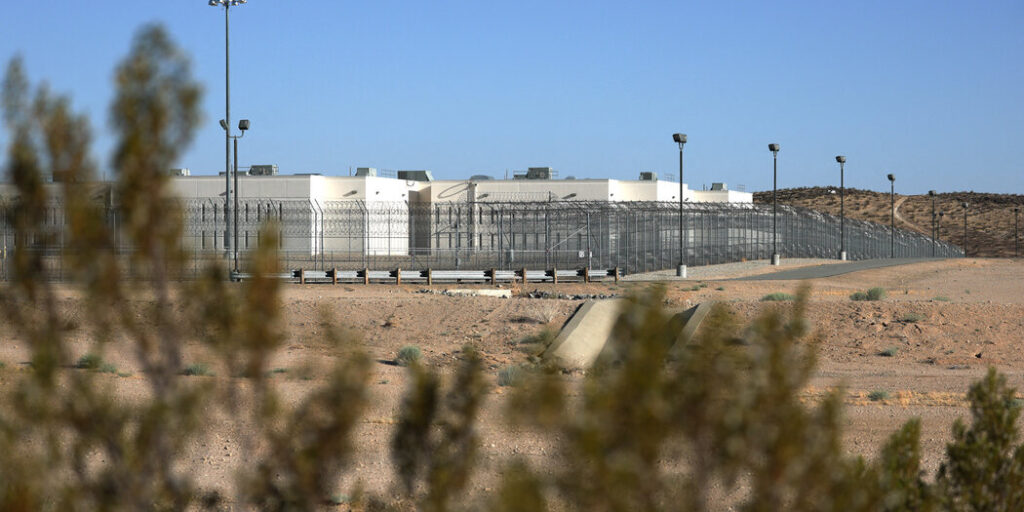
Both CoreCivic and GEO Group are expanding their facilities to accommodate the rising demand. GEO Group has reactivated four facilities, adding 6,600 beds, and expects these to generate over $240 million annually. CoreCivic reopened the South Texas Family Residential Center and the California City Immigration Processing Center, while also planning to operate the Midwest Regional Reception Center in Kansas.
CoreCivic reports having 30,000 additional beds available, while GEO Group advertises almost 6,000 idle beds for potential use. GEO Group’s transportation subsidiary also anticipates increased revenue from additional removal flights.
Local Resistance and Legal Challenges
Despite the expansion, local opposition is evident in places like Leavenworth, Kansas, where a court temporarily blocked CoreCivic from operating without a special use permit. New Jersey officials are challenging GEO Group’s Delaney Hall, although a court ruling allows private firms to contract with the federal government.
Oversight and Ethical Concerns
The expansion of ICE’s detention capabilities comes amid reduced oversight in detention facilities, with the Trump administration closing key oversight offices. Congress members have faced barriers in accessing detention facilities, despite legal rights ensuring such access, leading to legal action against the administration.
Efforts like California’s Assembly Bill 103 provide a model for state oversight, requiring reports on detention conditions. Nevertheless, ethical concerns about private prison investments persist, with some institutions and banks divesting from the sector, though recent shifts suggest banks like Bank of America and Wells Fargo may be re-engaging.
Recent legal rulings, such as the decision requiring GEO Group to pay $23 million for violating minimum wage laws, may impact future profitability and contractual costs for detention companies.