Waverly Township supervisors found themselves at the center of a zoning debate after voting to amend local ordinances affecting religious institutions. The changes aim to ease the process for places of worship to open or expand, impacting Chabad of the Abingtons’ plans for retreat cabins.
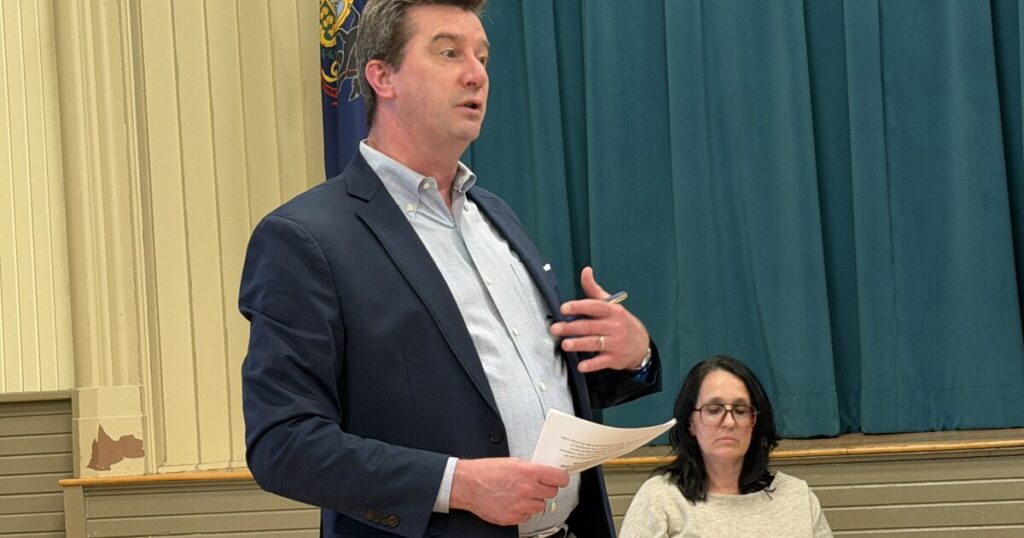
Supervisors Cheryl Lynn Murnin and Drew Christian endorsed the amendments, while Eric Parry opposed. Murnin emphasized adherence to federal non-discrimination laws, stating, “I believe in following the law.” Parry, however, supported residents who called for a postponement.
Zoning Amendments Spark Community Debate
The amendments come after a contentious hearing attended by over 30 residents, many urging for a delay. Warren Acker voiced the sentiment, suggesting, “It makes an awful lot of sense to stop, delay this, let the community understand this and have more communication about it.”
Christian argued that the township had explored all options over six months and needed to proceed with the vote. “This is not new to people who are elected to make the decision and for your benefit,” he stated.
Historical Context of Zoning Laws
Previously, a special exception was necessary to establish a place of worship in any of Waverly’s zoning districts. Chabad initially faced this requirement for its expansion plans, but its attorney, Matt Barrett, argued that under the 2015 ordinance, such uses were permitted without exceptions.
After a legal review, Chabad received a permit with the condition of gaining planning commission approval for development plans.
Legal Challenges from Neighbors
Neighbors Terrance and Margaret Neville contested the permit, noting the absence of a special exception application. The zoning board scheduled hearings to address the Nevilles’ appeal.
Barrett commented on Chabad’s intention to progress, saying, “We already have a permit. What it does to the appeal is between them (the Nevilles) and the township.”
Federal Law and Zoning Compliance
The township’s zoning ordinance was found to contravene the Religious Land Use and Institutionalized Persons Act of 2000, which safeguards religious entities from zoning discrimination. Places of worship previously required special exceptions, unlike other uses such as oil and gas extraction.
Recent amendments now permit places of worship by right in all districts and introduce special exceptions for oil and gas extraction, as explained by township solicitor Malcolm MacGregor.
Comparative Case in Kingston
Waverly’s situation mirrors a prior case in Kingston, where zoning laws restricted Chabad Orthodox Jewish community growth. The U.S. Department of Justice intervened, leading to revised ordinances permitting places of worship in commercial zones and with special exceptions in residential areas.
Community Concerns and Suggestions
Residents expressed apprehension over potential township character changes, with Abby Peck noting, “I love this community… I just am a little concerned at the speed with which this is going.”
Suggestions for alternative approaches included a voter referendum, as proposed by Paul Horchos, and further legal consultations to prevent hasty decisions.
Christian defended the amendments, citing expert legal advice and the need to align with federal regulations. MacGregor warned of heightened enforcement of zoning discrimination by the Department of Justice.