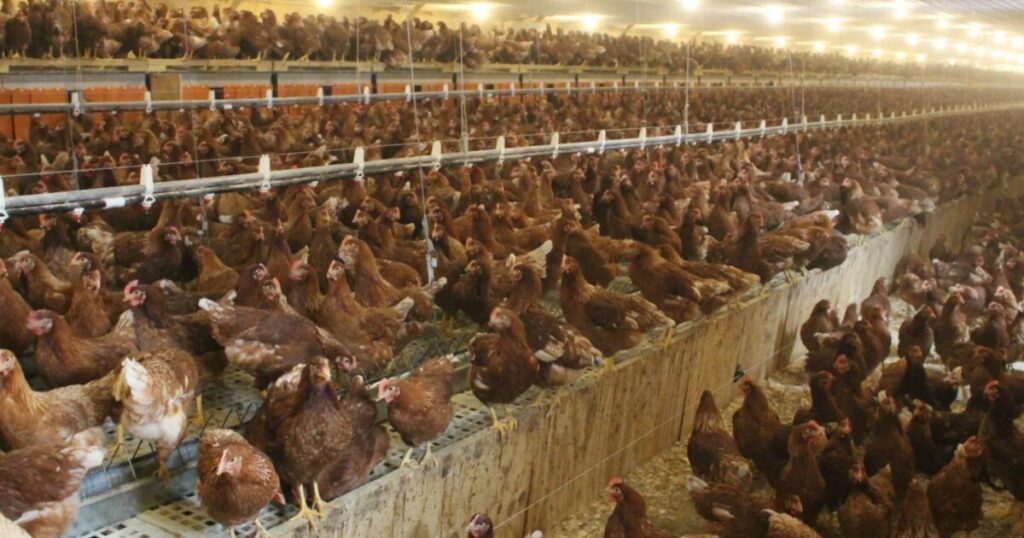
In Pennsylvania, officials are racing against time to control a surge of bird flu cases among the state’s poultry population. With the virus causing significant bird losses, efforts are underway to curb its spread.
In collaboration with Penn State Extension, the U.S. Department of Agriculture, and other agencies, the state has expanded testing and mitigation strategies to address the growing threat of avian flu.
Since 2022, Pennsylvania has suffered the loss of approximately 14 million birds due to the virus. In recent weeks, over 7 million birds have succumbed to the disease.
Understanding the Crisis
Pennsylvania Agriculture Secretary Russell Redding described the situation as “unprecedented,” noting the rapid rate at which the virus is affecting flocks and the ongoing efforts to control it. “The number of flocks, the number of birds, the frequency, the pace at which they’re coming several overnights, it just keeps growing,” he said.
Bird flu outbreaks have been reported in a dozen states this year, but Pennsylvania has been hit the hardest. Speculation suggests that early migration patterns of geese, coupled with extreme sub-zero temperatures affecting their habitats, may have contributed to the virus’s spread. However, a definitive cause will remain unknown until epidemiological reports are available.
Investigating the Spread
The forthcoming epidemiology reports will analyze farm testing results, weather patterns, bird migration data, and dead birds to trace the virus’s origin and transmission pathways. This forensic approach aims to pinpoint the exact strain and lineage of the virus affecting farms.
Response Initiatives
An aggressive response strategy has been deployed, involving 105 staff members, including 42 from the USDA, working alongside Pennsylvania’s state veterinarian and National Guard civil support teams. The collaborative effort extends across multiple agencies and encompasses diverse expertise, from field site managers to logistics technicians.
The outbreak initially affected smaller live bird market flocks, which are significant for ethnic markets in cities like New York and Boston. Recently, larger operations with over a million birds have also been impacted, indicating no clear pattern in the virus’s spread.
Economic Impact and Support
The economic ramifications of the outbreak are concerning for the state’s agriculture industry. With production losses and market disruptions, there is fear of rising egg prices, reminiscent of previous years. “So there are economic implications at the farm level, economic at the state level, and if it persists…you find ourselves back where we were two years ago with egg prices being impacted,” Redding noted.
To support affected farmers, Pennsylvania offers a unique Highly Pathogenic Avian Influenza Recovery Reimbursement fund, providing financial assistance for fixed costs and biosecurity measures. This fund, supported by bipartisan efforts, is crucial for maintaining farms’ operations during these challenging times.
For more details and the full interview audio, visit The Allegheny Front.