As the nation grapples with increasing energy costs and environmental concerns, Pennsylvania finds itself at a pivotal moment. State representatives and environmental groups are urging the state to take decisive action where they feel federal efforts have fallen short.
Kristin Volchansky, advocacy director at Action Together NEPA, expressed the urgency of the situation, stating, “We’ve all had to face these choices as costs have gone up. Our neighbors are struggling to make ends meet, working people need relief, and they can’t wait for it any longer.”
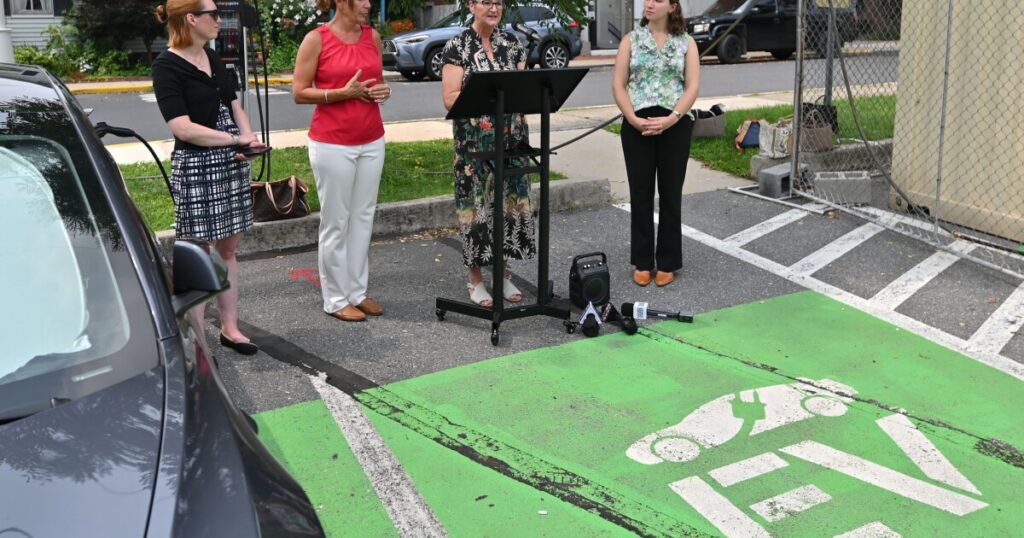
Conservation Voters of Pennsylvania and Action Together NEPA held a press conference in Stroudsburg, highlighting the need for state Senate Republicans to address the rising energy and gas prices. The conference took place beside public EV chargers installed during Rep. Tarah Probst’s tenure as mayor, emphasizing the importance of local initiatives.
State Rep. Maureen Madden emphasized the importance of clean energy, noting, “Protecting the Pocono means looking at how we produce and use energy.” She elaborated that clean energy initiatives not only reduce pollution but also lower energy costs, bolster the local economy, and create jobs.
‘Our neighbors are struggling to make ends meet’
Action Together NEPA, a grassroots organization focused on community action, criticized the federal government’s recent decisions. Volchansky highlighted that President Trump’s administration had canceled significant clean energy investments, and Congress had removed home energy incentives for families.
The Department of Energy’s cancellation of over $7 billion in funding for projects deemed economically nonviable further exacerbates the issue. Volchansky argued, “Washington is choosing to keep us hooked on fossil fuels and expensive fossil fuels that are driving up our bills.”
The average gas price stands at approximately $4 per gallon, and electric utility bills in Northeast Pennsylvania have surged by over 20% within a year. Members of Action Together NEPA report struggling with basic expenses such as health insurance, rent, and utilities, with some even having to choose between prescriptions and groceries.

Data centers
Concerns about data centers have also surfaced, particularly regarding their energy consumption. Madden noted that the state’s newest budget mandates data centers to disclose their water and electricity usage. She emphasized the ecological impact of placing data centers in the Poconos, warning against disrupting local watersheds.
Probst echoed these concerns, stating, “Someone’s going to make a bunch of money, and then the system’s going to collapse. It’s billionaires doing business with billionaires, and it’s leaving the rest of us behind.”
Call for action
Hanna Felber from Conservation Voters of Pennsylvania highlighted several legislative efforts designed to protect Pennsylvanians from rising costs and data center impacts. These include House Bill 1834, House Bill 2150, House Bill 789, House Bill 705, and Senate Bill 485. “The House has done its job, and these bills will lower costs. But now it’s time for the Senate to take action,” she said.