In an ongoing debate over immigration enforcement, the legal boundaries between federal law and local government are being tested in Lackawanna County. As federal regulations stipulate, government entities cannot block employees from sharing immigration status with federal agents, a point highlighted by County Solicitor Paul James Walker in a recent memorandum.
Walker addressed these legal issues in a memo dated February 11, directed to the county commissioners in response to Commissioner Bill Gaughan’s proposal to restrict county cooperation with Immigration and Customs Enforcement (ICE) unless agents present a judicial warrant. The federal law in question, U.S. Code: Title 8 — Aliens and Nationality, does not mandate affirmative collaboration but prevents policies that restrict communication with ICE about immigration status.
Gaughan’s Legislative Push
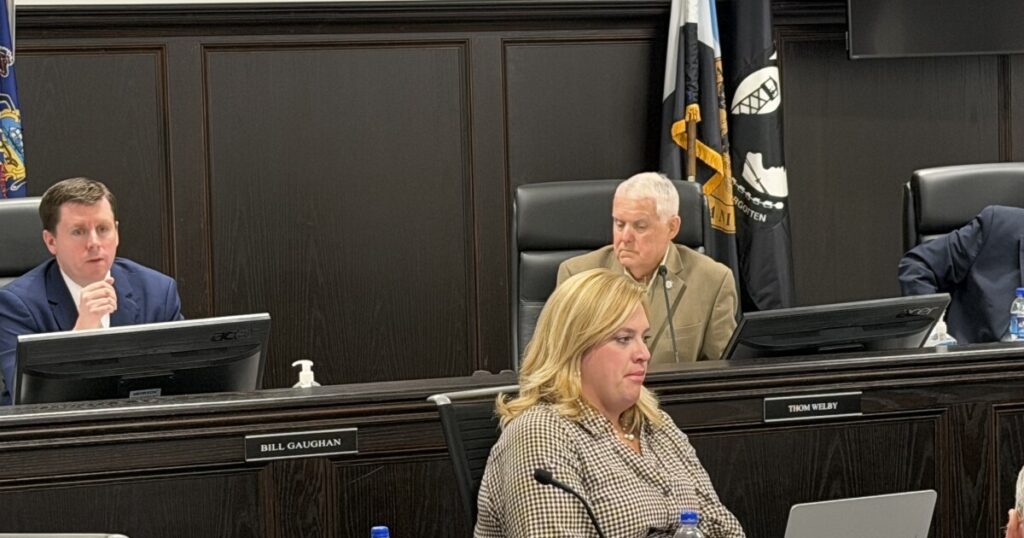
Commissioner Gaughan aims to limit the county’s engagement with ICE unless backed by a court order. However, the proposal faces scrutiny from fellow commissioners Thom Welby and Chris Chermak, who are still evaluating the legal implications and have not scheduled a vote on the proposal.
In a subsequent memo, Walker warned of “significant risks” associated with Gaughan’s proposal, including the potential for federal criminal charges against officials who enact or enforce such restrictions. He noted that while counties have discretion in cooperating with ICE, this must not conflict with federal or state laws.
Potential Impact on Federal Funding
Walker also cautioned that adopting Gaughan’s proposal could jeopardize federal funding, depending on federal laws and executive orders. The Trump administration, in particular, has been known to cut funding for jurisdictions seen as non-compliant with its immigration policies.
Walker’s memo further elaborates that counties can decide what immigration-related information to collect, provided it doesn’t conflict with existing laws. He also noted that the county’s home rule charter allows non-compliance with ICE detainers, citing a 2014 federal appeals court ruling that such compliance is voluntary.
Details of Gaughan’s Proposal
The Protect Our Neighbors Act proposed by Gaughan includes several measures, such as:
- Prohibiting the collection of citizenship or immigration status information unless required by law.
- Removing related questions from forms within 60 days of enactment.
- Barring the use of immigration status in determining eligibility for county services.
- Refusing to cooperate with immigration detainers or administrative warrants.
- Preventing agreements with federal immigration agencies for law enforcement purposes.
- Restricting the use of county resources for immigration enforcement unless legally mandated.
Despite public advocacy for the proposal, it has not moved forward in the commission’s agenda, partly due to the legal concerns raised by Walker in his memos. These memos were, however, released by Gaughan against Walker’s warning of confidentiality, aiming to promote transparency and public debate.
Controversy Over Memo Release
Walker argued that releasing the memos could undermine any policy adopted, but Gaughan defended his decision, citing the importance of public understanding in the legislative process. “It concerns legal advice about public legislation that we’ve been talking about for a month, and I think the public deserves to understand the legal arguments that are being made so that they can evaluate the issue themselves,” Gaughan stated.
Commissioner Chermak, however, criticized Gaughan’s actions as “grandstanding” and accused him of diverting attention from other issues, such as a recent tax increase and real estate reassessment. Chermak further stated that Gaughan lacked authority to release the memos.
Gaughan, unfazed by the criticism, defended his actions as necessary for transparency, asserting that the issues at hand required an open public discussion.
“`