This coverage is made possible through a partnership between BPR and Grist, a nonprofit environmental media organization.
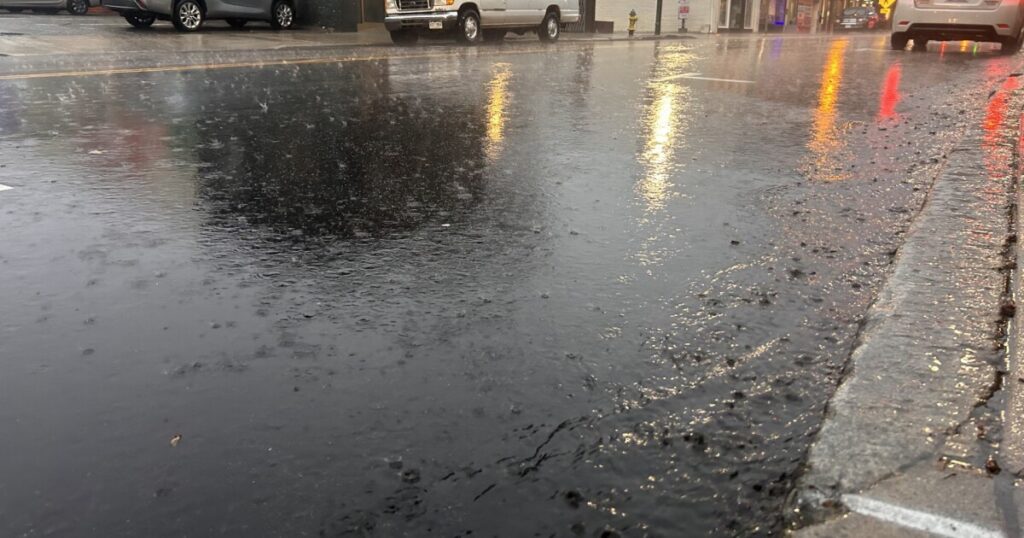
Weather patterns in western North Carolina have taken a dramatic turn. After enduring drought conditions since May, recent heavy rains have provided much-needed relief, though challenges remain. Between July 22 and 25, storms delivered two to three inches of rain, causing localized flooding in Buncombe County and renewing dry soils. Despite these rains, certain areas, including Franklin County, continue to grapple with drought, experiencing their third driest year in seven decades.
Corey Davis, assistant state climatologist at the North Carolina State Climate Office, noted that climate change is contributing to more pronounced shifts in precipitation patterns. “That means the wet periods get wetter, the dry periods get drier, and, again, we see these rapid changes in between,” Davis stated. “So it’s not too surprising that the drought at least in the Asheville area is coming to an end with extreme rain and flooding.”
However, the drought relief might not be complete. Davis pointed out that much of the recent rainfall benefited South Carolina more than it did the water systems of western North Carolina. As of last Thursday, parts of southwestern North Carolina remained in “severe” or “extreme” drought conditions, according to the U.S. Drought Monitor. Davis reported that significant recovery from the drought in this region is less likely in the near future.
“If we can make it through the end of the summer without any more heat waves or big dry spells, we’ll just be waiting on those better rain chances for the end of the year, and that will finally dig the rest of the state out of this drought,” Davis said.