This coverage is made possible through a partnership between BPR and Grist, a nonprofit environmental media organization.
The serene landscapes of Western North Carolina have long been a draw for visitors. Dating back to the mid-1800s, those suffering from tuberculosis were among the first to seek solace in the region, hoping the clean air would aid their recovery.
BPR interviewed David Freedman, professor emeritus at the University of Alabama, to explore how Asheville’s history as a treatment destination has evolved into the tourism hub it is today.
This interview has been condensed and edited for clarity.
Asheville’s Origins as a Health Retreat
BPR: How did Asheville initially become known as a health destination?
Freedman: Around 1870, a book was published highlighting the health benefits of Asheville’s altitude. The theory was that the altitude made breathing easier than at sea level. This was particularly appealing during the industrial revolution when cities were crowded and polluted.
The Affluent Clientele of Asheville’s Sanatoria
BPR: Who were the typical visitors to these sanatoria?
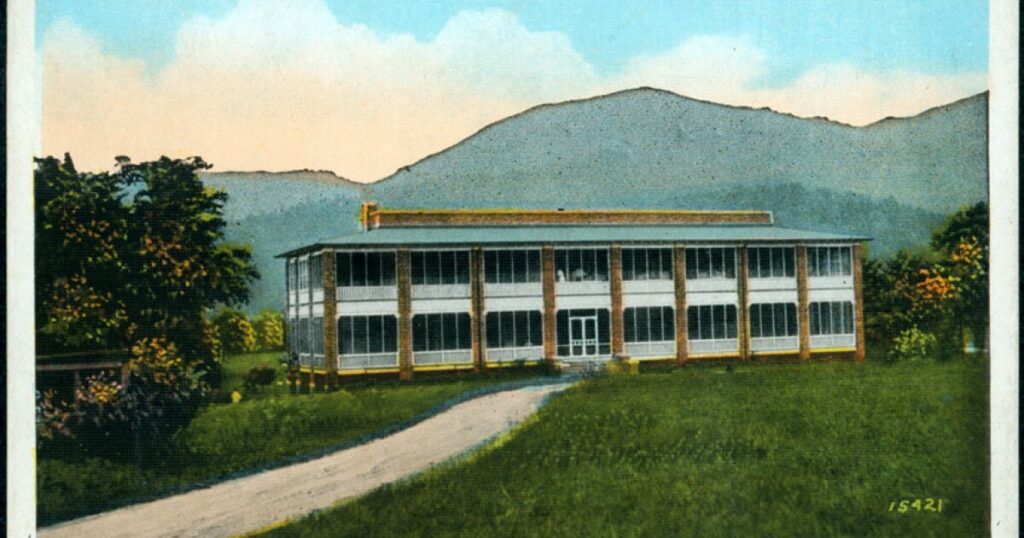
Freedman: The sanatoria catered to the wealthy, resembling luxury hotels with large rooms and private porches. These places emphasized rest in the fresh air, especially in summer. Boarding houses later emerged, some explicitly advertising they did not accommodate the sick.
E.W. Grove’s Vision for a Healthier Asheville
BPR: Who was E.W. Grove and what was his vision for Asheville?
Freedman: Despite some respiratory issues, Grove, who was in pharmaceuticals and real estate, favored the area’s fresh air. He purchased land where the Grove Park Inn stands and removed sanatoria from his properties. Grove aimed to attract healthy, affluent visitors needing relaxation, similar to today’s wellness tourism.
Lessons from Asheville’s Transformation
BPR: What can we learn from Asheville’s historical transition?
Freedman: The stigma surrounding illness persists, with historical and current profiteering on the promise of cures. Wealthy individuals often spend significantly without guaranteed recovery, a situation exacerbated by desperation.