This coverage is made possible through a partnership between BPR and Grist, a nonprofit environmental media organization.
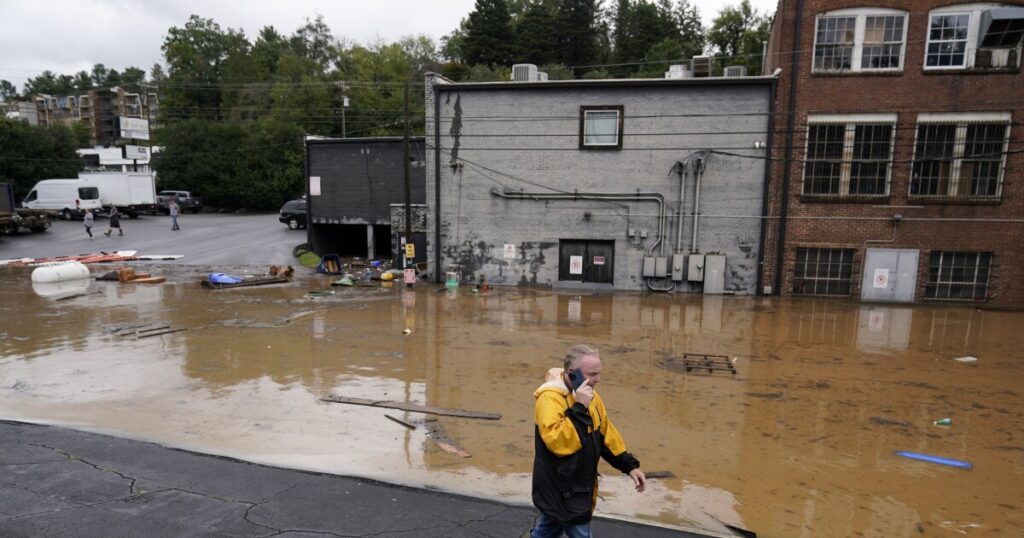
A recently conducted study highlights a critical link between extreme weather events, specifically flooding, and elevated overdose mortality rates in the economically challenged areas of Eastern Kentucky and West Virginia. Researcher Kristina Brant from Pennsylvania State University offers insights into why these unfortunate outcomes become more prevalent post-disaster and strategies to mitigate future overdose fatalities. The following interview has been edited for brevity and clarity.
Exploring the Connection Between Flooding and Overdose Deaths
During my research in Eastern Kentucky, we witnessed a significant flooding event, prompting our investigation into the correlation between such disasters and overdose deaths. In smaller communities, individuals often juggle multiple roles, meaning those involved in public health may also be crucial in flood recovery efforts.
Our team utilized both quantitative and qualitative approaches, examining opioid overdose mortality data from the National Center for Health Statistics alongside flood data from the National Oceanic and Atmospheric Administration. We aimed to determine if a pattern existed between flood occurrences and overdose mortality rates.
Comparing data from flooded and non-flooded counties revealed that areas that experienced flooding showed a marked increase in overdose deaths. Surprisingly, this increase persisted for a decade following the flood.
Severe flooding disrupts access to essential services and destabilizes foundational life elements, such as secure housing, meaningful employment, and social support, which are crucial for well-being.
Complexities of Health Concerns in Disaster Recovery
Substance use disorders often coexist with other mental health issues, notably post-traumatic stress disorder (PTSD), which can be exacerbated by new traumatic events like floods. For individuals with pre-existing trauma, such events add to their burden, complicating recovery efforts.
Access to support groups is critical during such times, and disruptions can heighten vulnerabilities, making recovery more challenging.
Barriers Faced by Individuals with Substance Use Disorders
Despite progress in reducing stigma, it remains a significant barrier for those with substance use disorders seeking disaster recovery support. A single stigmatizing encounter can deter individuals from accessing necessary aid, such as FEMA support or community donations.
Lessons for Communities in Western North Carolina
Reducing the adverse effects of floods requires comprehensive strategies implemented before, immediately after, and long after the disaster. A positive observation was the adaptability of community members post-flood, with providers striving to minimize care disruptions.
However, the integration of substance use service providers in flood preparedness and recovery discussions remains limited. Enhancing access to care for rural populations could help mitigate disruptions when disasters occur.
Contact and Support BPR
- To donate at any time, call 828-210-4810 or go to donate.bpr.org
- To donate a vehicle, call 866-448-3881 and specify that your donation is for Blue Ridge Public Radio, or fill out this vehicle donation form
- To volunteer, please complete the volunteer form
- For assistance with or questions about donations, sustaining gifts, tax forms, matching gifts, thank-you gifts, acknowledgements, estate plan intentions, or the Leadership Circle, call 828-210-4822 or email membership@bpr.org