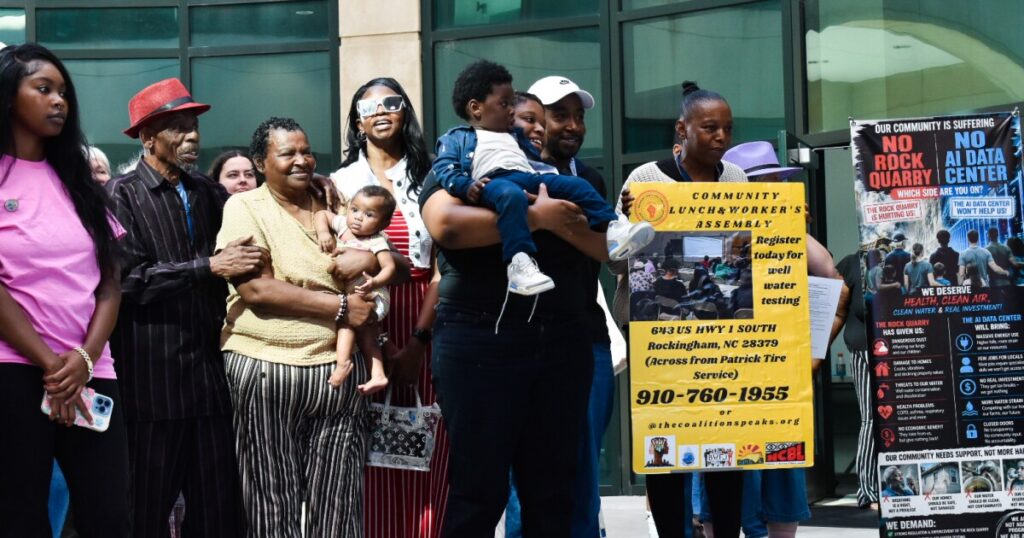
Amid growing concerns over environmental impacts, Amazon’s proposed data center in Richmond County has become a focal point for local residents and state regulators. The project, which involves the installation of numerous diesel generators, has sparked debate over air quality and regulatory practices.
Public Hearing Draws Community Concerns
State regulators held a public hearing to address Amazon’s large data center project, where they sought feedback on two air quality permits needed for approximately 650 diesel generators. These generators, operated by Amazon and Duke Energy, are intended to supply emergency power.
About 200 community members attended, with 36 testifying. The key issue raised was the separate issuance of permits for Amazon’s nearly 600 backup generators and Duke’s 60 temporary units.
Concerns Over Emissions and Permit Splitting
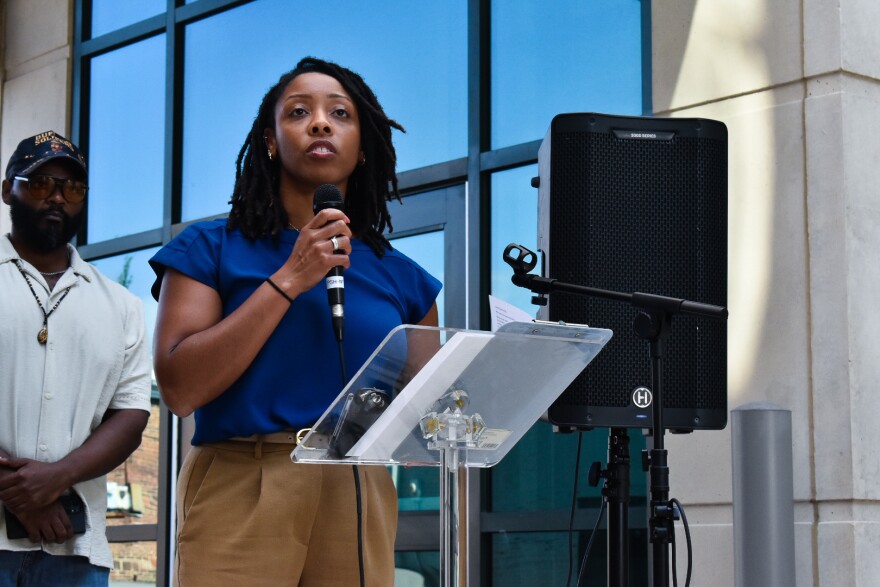
Shaun Ingram, co-founder of the Richmond County Coalition for Justice and Black Empowerment, emphasized, “All of the generators that the Division of Air Quality has allowed Amazon and Duke to split into separate permit applications must be treated as one major source of air pollution.”
Caroline Cress from the Southern Environmental Law Center noted that separating the permits lets the companies bypass more stringent pollution modeling requirements. “The only way to get a sense of that is to do the modeling, which they’re specifically getting out of,” she said.
Regulatory Challenges and Community Impact
Shawn Taylor from the state Division of Air Quality explained that the diesel generators didn’t qualify for a single permit due to operational distinctions between Amazon and Duke Energy. Nonetheless, DAQ operates a network of air quality monitors, though the nearest state-owned sensor is about 45 miles away.
Local residents, like Nellie Dumas, are worried about the project’s impact on air and water quality. Reverend G. Rebecca Warren expressed concerns about the community’s health and safety, advocating for more engagement from Amazon and state officials.
As the public comment period closes, stakeholders are urged to submit their feedback to daq.publiccomments@deq.nc.gov. “We appreciate the public comments we received on this topic and are reviewing,” DAQ spokesperson Shawn Taylor stated.